
Sixteen Arrests in Twenty-Four Hours, All for Drugs: The Police Are Working - But Where Are All These People Coming From?
20.09.2026


20.09.2026

20.09.2026

20.09.2026

20.09.2026

20.09.2026

20.09.2026

20.09.2026

20.09.2026

20.09.2026

20.09.2026

20.09.2026

19.09.2026

20.09.2026

20.09.2026

20.09.2026

20.09.2026

19.09.2026

18.09.2026

20.09.2026

20.09.2026

20.09.2026

20.09.2026

20.09.2026

20.09.2026

09.03.2026

27.02.2026

19.02.2026

20.09.2026

19.09.2026

18.09.2026

23.04.2026

23.04.2026

12.04.2026

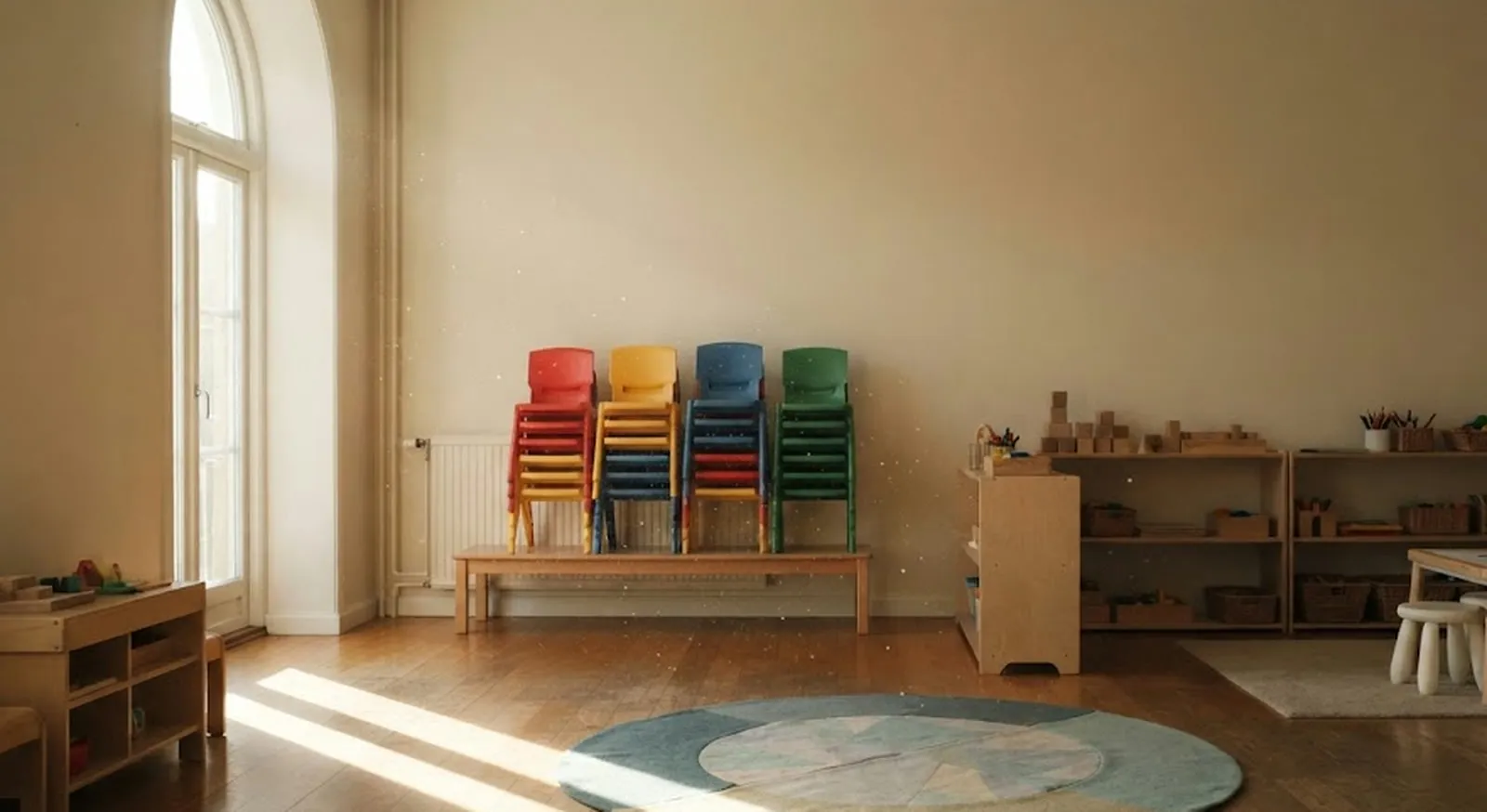
Elon Musk posted on X that in 21 of the European Union's 27 countries more people die than are born and that those states have "long been heading towards extinction". The reaction came to Financial Times data based on United Nations statistics, showing decades of falling birth rates in France, Germany, Italy, Japan, South Korea and the United States.
The figures are not disputed and they are not new. The EU fertility rate fell in 2024 to 1.34 children per woman - a historic low, while simple population replacement requires around 2.1. That year 3.55 million children were born in the Union. In 1964 the figure was 6.8 million. Almost halved, in sixty years.
The consequences are no longer a forecast but a description of the present. Japan, China, Italy and much of Central and Eastern Europe are losing population. France recorded more deaths than births for the first time since the end of the Second World War. In South Korea, where fertility has fallen to around 0.7, nurseries are being converted into care homes for the elderly and wedding halls into funeral parlours. It is hard to think of a more concrete image than that.
Why this is not somebody else's subject
There is something here that needs no explaining in the Balkans. The empty classroom is not an abstraction - it is something plenty of families in this region have watched happen in their own village. The difference is that the Western European demographic crisis is measured by the fertility rate, and ours also by how many people left. The result ends up looking the same: fewer children, more empty desks.
And here Musk, who has warned for years that low birth rates are one of the greatest dangers to civilisation, states the problem accurately but closes it too early. The numbers are true. What he leaves out is that having a child today is as much an economic decision as a personal one - rent, working hours, the price of childcare, whether anyone will be home at all. Countries that tried a one-off payment for a third child learned that the hard way.
One thing is clear all the same: since 2012 natural growth across the Union has been negative, and total population rises solely through immigration. So the very states arguing over how to seal their borders do not, mathematically, exist without the people coming through them. Has anyone leading that argument run the sum all the way to the end?
The latest 10 news from this category

Two prime ministers in the same Union, the same month, completely opposite diagnoses of who is provoking whom. There is...

A broken aircraft in a field usually ends up in a police note. This one ended up with federal investigators,...

Beijing will easily find another supplier. The harder question is what Washington is actually testing: whether private Chinese companies will...

The law lets Washington hit the five biggest buyers of Russian oil with tariffs of up to 100 per cent....

Measures imposed over the war in Ukraine are now being offered as currency in an entirely different dispute. If the...

A smaller dose and more needles does not mean a safer vaccine, it means an ineffective one. Science has had...

Harald designed the sarcophagus himself, and it is shaped like a ship. The stone is 400 million years old and...

Von der Leyen proposed a status that does not exist in European law, the Canadians distanced themselves, and Washington announced...

The French candidate called the war in Ukraine a slaughterhouse and pointed out it has already lasted longer than the...

Four decades in politics, but the headline the world wrote was about her brother and his sixteen wives. When the...
This site uses cookies - is that okay? Learn more
Be the first to know when Metla launches something new
Leave your email and we will write when there is a new guide or something new on Metla.