
Sixteen Arrests in Twenty-Four Hours, All for Drugs: The Police Are Working - But Where Are All These People Coming From?
20.09.2026


20.09.2026

20.09.2026
20.09.2026
20.09.2026

20.09.2026
20.09.2026

20.09.2026

20.09.2026

20.09.2026

20.09.2026

20.09.2026

19.09.2026

20.09.2026

20.09.2026

20.09.2026

20.09.2026

19.09.2026

18.09.2026
20.09.2026

20.09.2026

20.09.2026
20.09.2026

20.09.2026

20.09.2026

09.03.2026

27.02.2026

19.02.2026
20.09.2026
19.09.2026
18.09.2026

23.04.2026

23.04.2026

12.04.2026

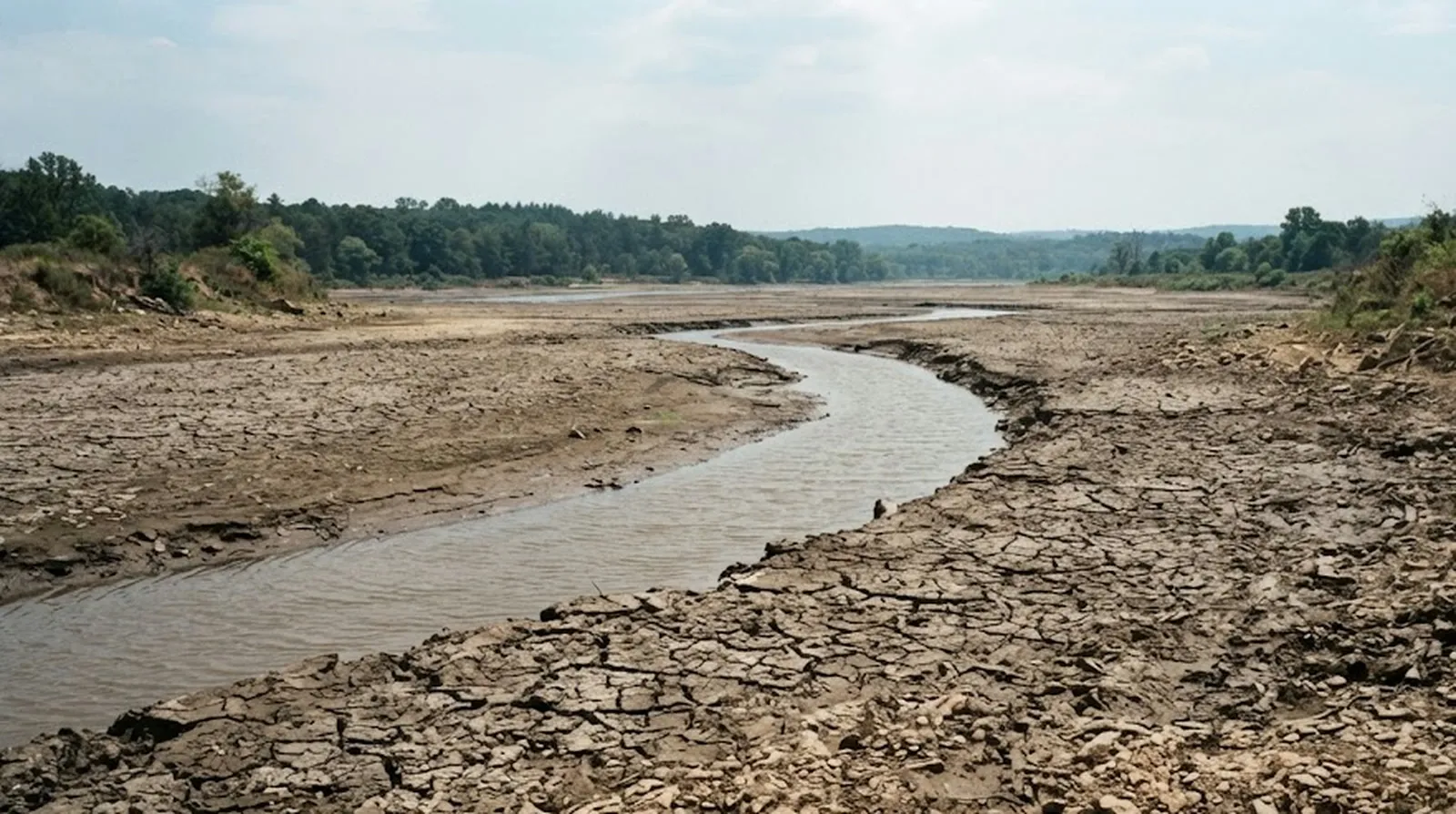
One hundred and twenty-six billion euros a year. That is the figure experts estimate the economic damage from droughts and heatwaves in Europe could reach by 2029. This is not a forecast for the end of the century - it is three years from now.
Between April and June much of the continent, from Portugal to southern Finland, recorded below-average rainfall. Combined with heatwaves arriving one after another, that deepened the drought and pushed river levels unusually low. Worst affected are the Danube and the Rhine - the two arteries along which Europe literally moves its industry.
When the river stops, the factory stops
Low water levels have already disrupted freight transport on the Rhine, forcing German factories to cut production. Some economists warn that shipping problems could shave 0.2 percentage points off German economic growth. The Rhine links the industrial centres of Switzerland, Germany and the Netherlands with Rotterdam, Europe's largest port - so a blockage there does not stay local for long.
The list of measures across Europe reads like a wartime chronicle. France fears it could have its weakest maize yield in fifty years. Spain has restricted farmers' access to irrigation water. The Netherlands has introduced special measures over water shortages. A state of emergency has been declared on seven Greek islands.
"We are powerless"
The problem is not confined to the big river courses. Lake Brenets on the Swiss-French border has almost dried up and has not been navigable for over a week. "I am worried, these are disasters we could not even imagine. We expected a lot of things, but not droughts in such rapid succession. It hits us hard because we are simply powerless against climate change like this," said a resident of Les Brenets in Switzerland.
Climatologist Stefan Rahmstorf rejected the favourite phrase of recent years. "I would not call this the new normal, because it is already a trend. Nor will it become the new normal - the situation will keep getting worse." When a scientist tells you "the new normal" is too optimistic a description, it is worth listening.
Biologist Thorsten Rennebarth, from a lake research institute, explained the mechanics of the Rhine: normally water levels are low in winter and high in summer, because the river is fed from the Alps. When the snow melts late in spring, the big inflow arrives. Last winter there was almost no snow - and now there is no water.
The cause that is not hiding
The World Weather Attribution scientific network states that climate change did not itself cause the shortfall of rainfall in Europe between April and June. But rising temperatures increase the atmosphere's capacity to draw moisture out of soil, rivers, lakes and reservoirs. In other words: even when rainfall does not fail dramatically, the heat dries out whatever is left.
The Danube is no European abstraction to us. It is the river half of Central Europe and a large part of the Balkans lives beside, the river our whole neighbourhood depends on for power, irrigation and transport. When Germany calculates how much economic growth it will lose, it is worth asking - is anyone here running that same sum at all?
The latest 10 news from this category
Two prime ministers in the same Union, the same month, completely opposite diagnoses of who is provoking whom. There is...
A broken aircraft in a field usually ends up in a police note. This one ended up with federal investigators,...
Beijing will easily find another supplier. The harder question is what Washington is actually testing: whether private Chinese companies will...
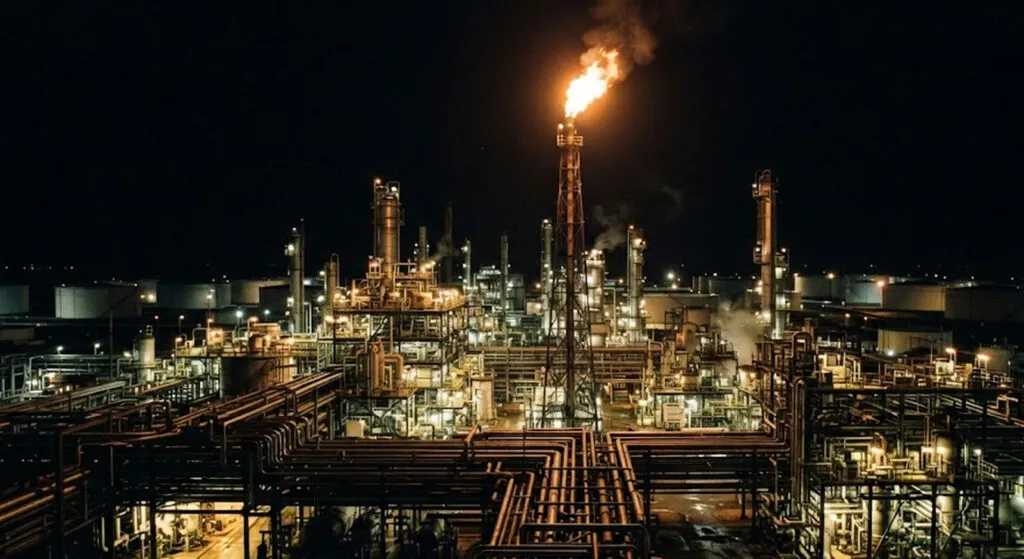
The law lets Washington hit the five biggest buyers of Russian oil with tariffs of up to 100 per cent....
Measures imposed over the war in Ukraine are now being offered as currency in an entirely different dispute. If the...

A smaller dose and more needles does not mean a safer vaccine, it means an ineffective one. Science has had...

Harald designed the sarcophagus himself, and it is shaped like a ship. The stone is 400 million years old and...
Von der Leyen proposed a status that does not exist in European law, the Canadians distanced themselves, and Washington announced...

The French candidate called the war in Ukraine a slaughterhouse and pointed out it has already lasted longer than the...

Four decades in politics, but the headline the world wrote was about her brother and his sixteen wives. When the...
This site uses cookies - is that okay? Learn more
Be the first to know when Metla launches something new
Leave your email and we will write when there is a new guide or something new on Metla.