


Sixteen Arrests in Twenty-Four Hours, All for Drugs: The Police Are Working - But Where Are All These People Coming From?
20.09.2026


20.09.2026

20.09.2026

20.09.2026
20.09.2026

20.09.2026

20.09.2026

20.09.2026

20.09.2026

20.09.2026

20.09.2026

20.09.2026

19.09.2026

20.09.2026

20.09.2026

20.09.2026

20.09.2026

19.09.2026

18.09.2026

20.09.2026

20.09.2026

20.09.2026
20.09.2026

20.09.2026

20.09.2026

09.03.2026

27.02.2026

19.02.2026

20.09.2026

19.09.2026

18.09.2026

23.04.2026

23.04.2026

12.04.2026

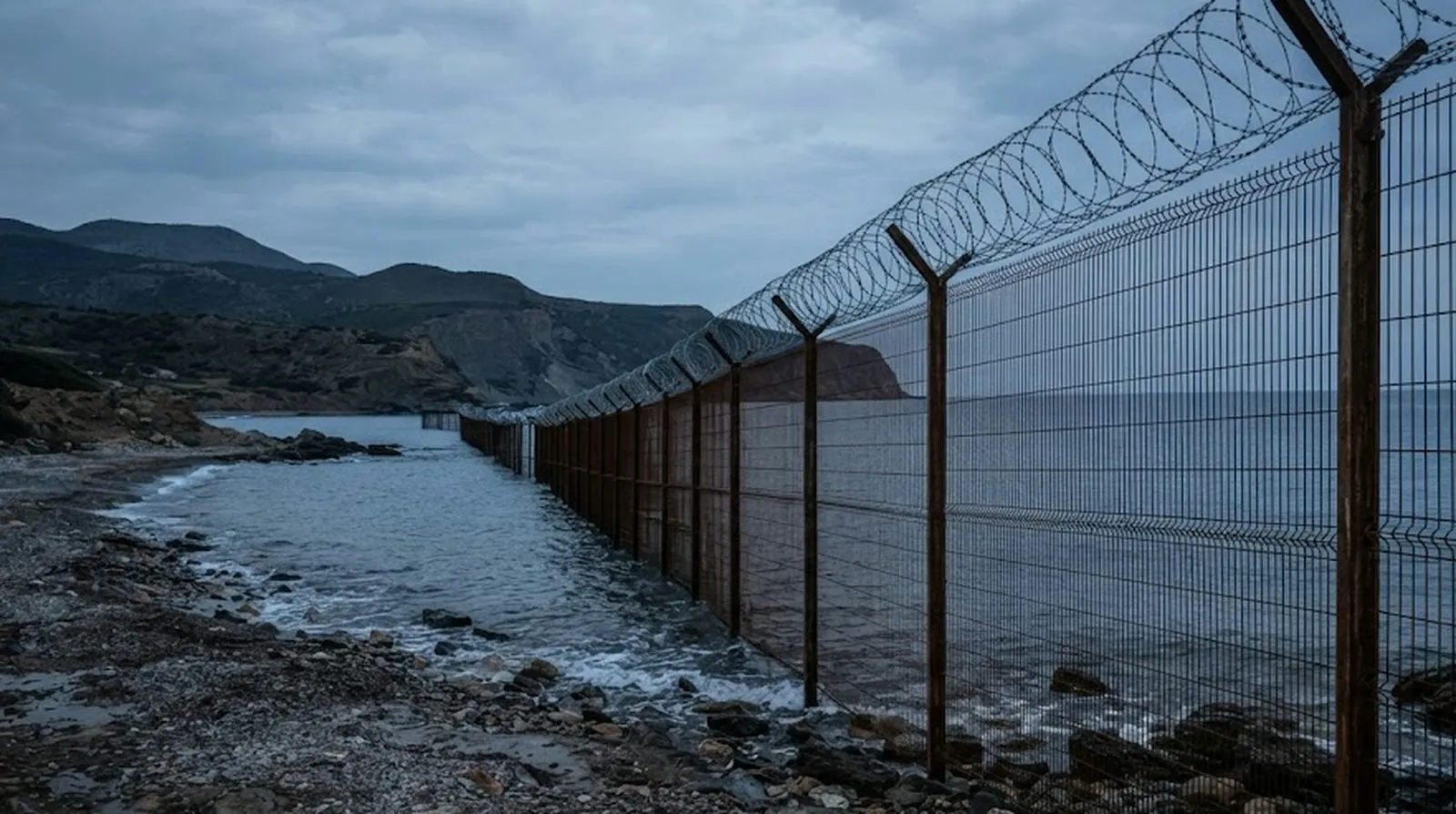
Sixty thousand people. In twenty-four hours. That is how many crossed from Morocco into Ceuta, the Spanish enclave on the north African coast, in a single surge that caught Europe with its guard down. At least 61 never reached the other side - most of them drowned trying to swim around the barrier at El Tarajal, the point where the fence runs into the sea and simply ends.
Police sources say the victims were mostly aged between 20 and 35, among them at least one woman. Diving teams are continuing the search, because the authorities fear the number is not final. That is the sentence that says the most about this night - nobody yet knows how many people are lying beneath the surface.
The fastest reversal: 53,000 went back on their own
Of the roughly 60,000 who entered, approximately 53,000 returned to Morocco voluntarily. The Spanish army did not force them back - they left on their own, once they realised the promises of accommodation, work and visas did not exist. That is not a picture of an invasion. It is a picture of a mass deception that worked for one day and fell apart the next.
Spanish prime minister Pedro Sánchez explains the surge as a misreading of a recent Supreme Court ruling, which smuggling networks spread around as a promise. The court ruled that automatic return at the border does not apply to those entering by swimming - only to those who climb a physical barrier. The difference between a fence and water was suddenly worth thousands of lives.
Italy suspends Schengen with Spain
Europe's reaction was faster than the rescue teams. Italy is suspending the Schengen regime with Spain. Denmark and Finland want Spain temporarily excluded from Schengen - a move lawyers immediately assessed as contrary to the European treaties. France increased border surveillance fivefold. Germany and Poland are demanding stricter controls.
So here is the scenario: one Schengen state has a bad night on its most exposed border, and in under twenty-four hours its allies propose ejecting it from the system. Solidarity lasts exactly as long as it costs nothing.
The European Commission, unlike the capitals, calmed the tone - Frontex is sending operational support, and Brussels points out that entering Ceuta does not mean automatic movement through the rest of Schengen. Anyone wanting to continue on to mainland Spain goes through an additional check. Legally speaking, nothing collapsed. Politically, quite a lot did.
Why the Balkans know this scene by heart
A region through which hundreds of thousands of people passed in 2015 and 2016 does not need anyone to explain what it looks like when a neighbour's border policy becomes foreign policy. When Morocco opens or closes Ceuta, that is not a migration question - it is a message. The Balkans were on the receiving end of that kind of message long enough to recognise the shape of it.
Sánchez is announcing temporary registration centres and accelerated deportations, while Madrid and Rabat talk about faster return procedures. Minors get special protection, and everyone has the right to seek international protection - that is what is written on paper.
What went unanswered is a different question. Sixty thousand people do not gather in one place by accident without somebody looking the other way. Who will answer for 61 drowned people - the smuggler who spread the rumour, the court that wrote the ruling, or the border service that was taking the day off?
The latest 10 news from this category

Two prime ministers in the same Union, the same month, completely opposite diagnoses of who is provoking whom. There is...
A broken aircraft in a field usually ends up in a police note. This one ended up with federal investigators,...

Beijing will easily find another supplier. The harder question is what Washington is actually testing: whether private Chinese companies will...

The law lets Washington hit the five biggest buyers of Russian oil with tariffs of up to 100 per cent....

Measures imposed over the war in Ukraine are now being offered as currency in an entirely different dispute. If the...

A smaller dose and more needles does not mean a safer vaccine, it means an ineffective one. Science has had...
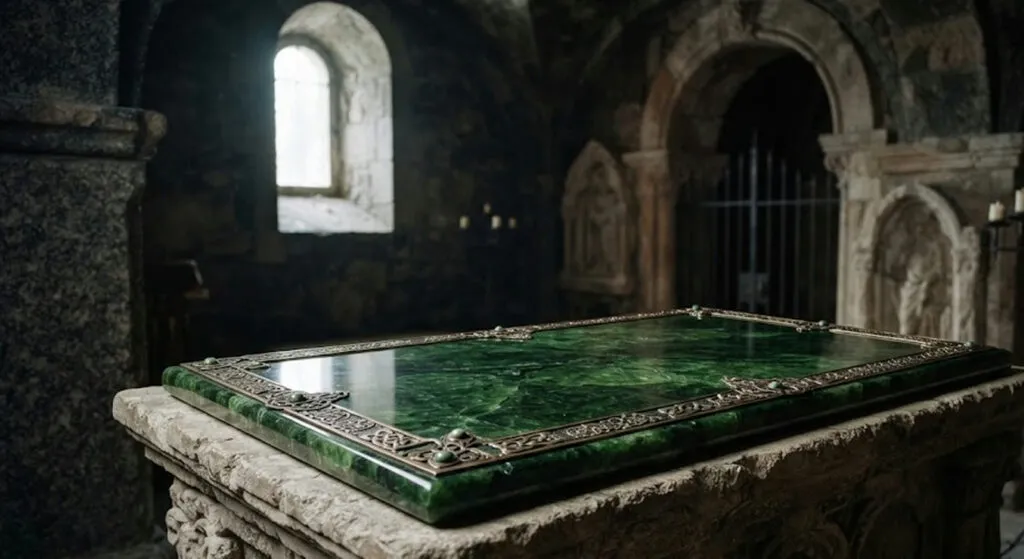
Harald designed the sarcophagus himself, and it is shaped like a ship. The stone is 400 million years old and...

Von der Leyen proposed a status that does not exist in European law, the Canadians distanced themselves, and Washington announced...

The French candidate called the war in Ukraine a slaughterhouse and pointed out it has already lasted longer than the...
Four decades in politics, but the headline the world wrote was about her brother and his sixteen wives. When the...
This site uses cookies - is that okay? Learn more
Be the first to know when Metla launches something new
Leave your email and we will write when there is a new guide or something new on Metla.
