

Kratovo man stabs police officer mid-intervention: prosecutors want the 40-year-old detained
15.09.2026


15.09.2026

15.09.2026

15.09.2026

15.09.2026

15.09.2026

15.09.2026

15.09.2026

14.09.2026

13.09.2026

15.09.2026

15.09.2026

14.09.2026

15.09.2026

15.09.2026

15.09.2026

15.09.2026

14.09.2026

13.09.2026

15.09.2026

15.09.2026

15.09.2026

15.09.2026

15.09.2026

14.09.2026

09.03.2026

27.02.2026

19.02.2026

15.09.2026

14.09.2026

14.09.2026

23.04.2026

23.04.2026

12.04.2026

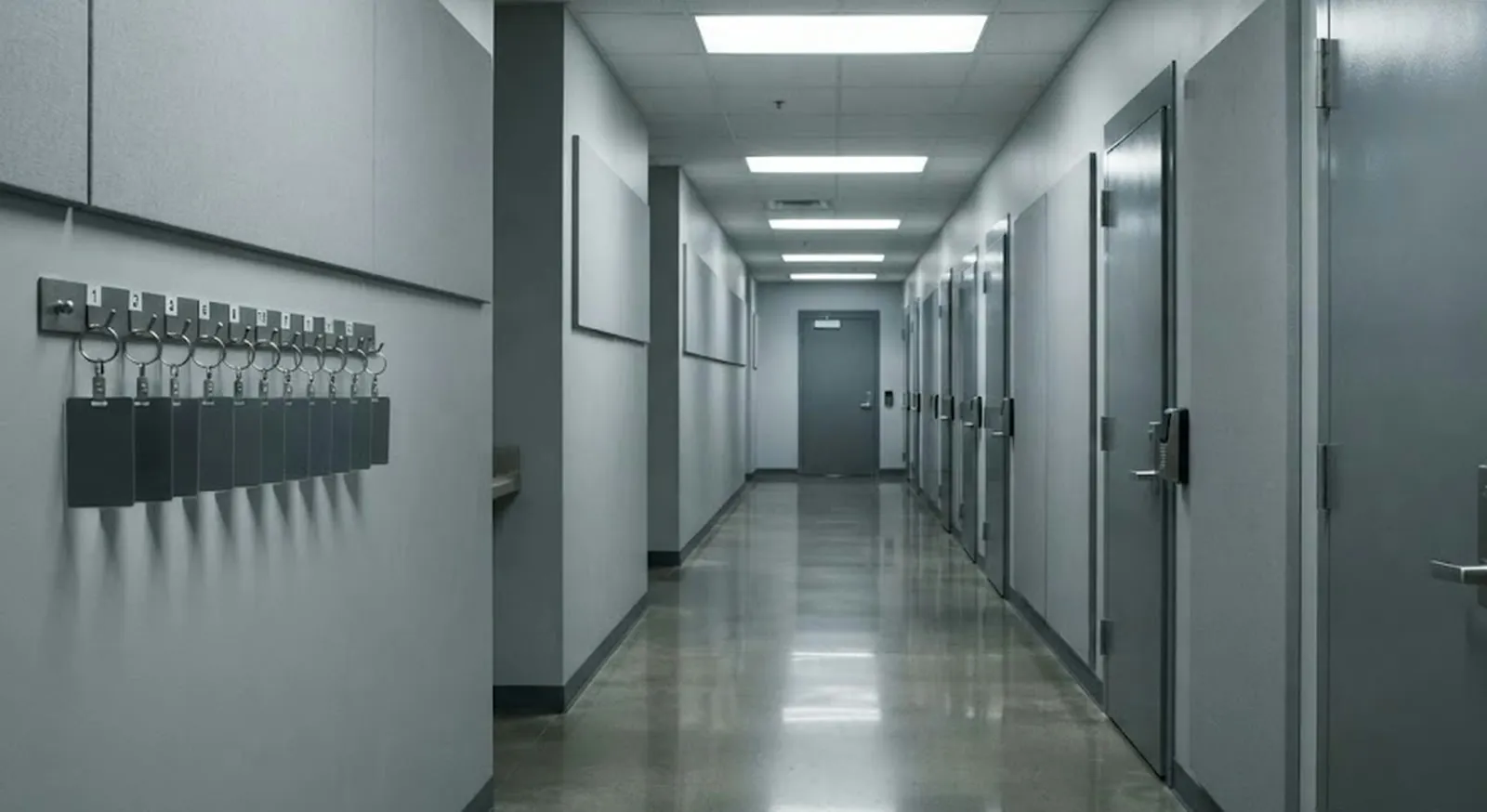
Of all the places where espionage might fall apart, the corridor of the Supreme Headquarters Allied Powers Europe is the last one you would expect. That is exactly where it happened: at SHAPE in Mons, Belgium, a Canadian citizen of Chinese origin was arrested on suspicion of spying - while doing an internship at NATO's most sensitive military headquarters.
The Belgian federal prosecutor's office said the arrest followed a tip-off from the Alliance's own security services. There are two charges: espionage on behalf of a third country and membership of a criminal organisation. Both her home and her workplace were searched. The woman, whose identity has not been published, has been remanded in custody for one month.
What stands out most is not the arrest, but how it came about at all. According to media reports, she became a suspect because she lingered around buildings in the complex and asked unusual questions. Not because of intercepted communications, not because of a counter-intelligence operation - but because she struck someone as odd in a corridor. That is a system relying on an alert eye rather than on procedure.
Who actually vetted her?
This is where the story gets more interesting. SHAPE's own pages state that security vetting of interns is the responsibility of their home countries - in this case Canada. The time required for security clearance depends on each member state's national rules and, as the same document says, can take anywhere from eight weeks to 18 months. Eight weeks or a year and a half, depending on who is filling in the paperwork.
So NATO lets people into its central military headquarters on the basis of vetting carried out by somebody else, under rules written by somebody else, within a timeframe that varies by a factor of eight. An Alliance spokesperson said NATO „remains fully committed to protecting its personnel, safeguarding classified information and maintaining the trust and security on which it rests”. A fine sentence. It explains nothing.
Canadian Public Safety Minister Gary Anandasangaree announced the country would „continue to review existing processes and security checks”. So the review comes after she was arrested. The Royal Canadian Mounted Police confirmed it is assisting the Belgian authorities and declined any further comment.
Neither side says which third country was allegedly being served. The suspect's Chinese origin says it for them - at least in the headlines. The difference between origin and loyalty is one of those things anyone living in a smaller country understands all too well.
For the Balkans this is not distant news. Countries in the region send their own people into NATO structures, and the same logic applies to them: clearance is granted by the national service, while the consequences are borne by the whole alliance. If the vetting of the wealthiest members can let someone through as far as SHAPE, what is that piece of paper worth when a much smaller state is the one signing it?
The latest 10 news from this category
Trump scaled back the military exercises to ease the tension, and Wonsan answered in the form of projectiles. What does...

The sanctions list got a seven-day extension instead of one measured in months, a move diplomats themselves call unprecedented. Two...

Switzerland offered a table for talks on Ukraine, Moscow replied that the table stopped being neutral once Bern adopted EU...

The will says one thing, a committee of twenty-one men decided another. The queen mother says the army pulled the...
A country that was Europe's byword for stability for decades now has a parliament split into two blocs by a...
Sixteen years in power, defeat at a regular election, five months of quiet - and now the election result is...

When an institution with a legal department and a palace apparatus has to publish a list of its verified accounts,...

Nobody said they do not trust Washington. Everyone is behaving as though they do not - gold, weapons, the cloud...

The warning reached the president three years before 9/11. The problem was not a lack of information, but that nobody...

In 1976 tradition demanded the future king choose a bride with no past. Thirty years later that same king married...
This site uses cookies - is that okay? Learn more
Be the first to know when Metla launches something new
Leave your email and we will write when there is a new guide or something new on Metla.
