
Sixteen Arrests in Twenty-Four Hours, All for Drugs: The Police Are Working - But Where Are All These People Coming From?
20.09.2026


20.09.2026

20.09.2026

20.09.2026
20.09.2026

20.09.2026

20.09.2026

20.09.2026

20.09.2026

20.09.2026

20.09.2026

20.09.2026

19.09.2026

20.09.2026

20.09.2026

20.09.2026

20.09.2026

19.09.2026

18.09.2026

20.09.2026

20.09.2026

20.09.2026
20.09.2026

20.09.2026

20.09.2026

09.03.2026

27.02.2026

19.02.2026

20.09.2026

19.09.2026

18.09.2026

23.04.2026

23.04.2026

12.04.2026

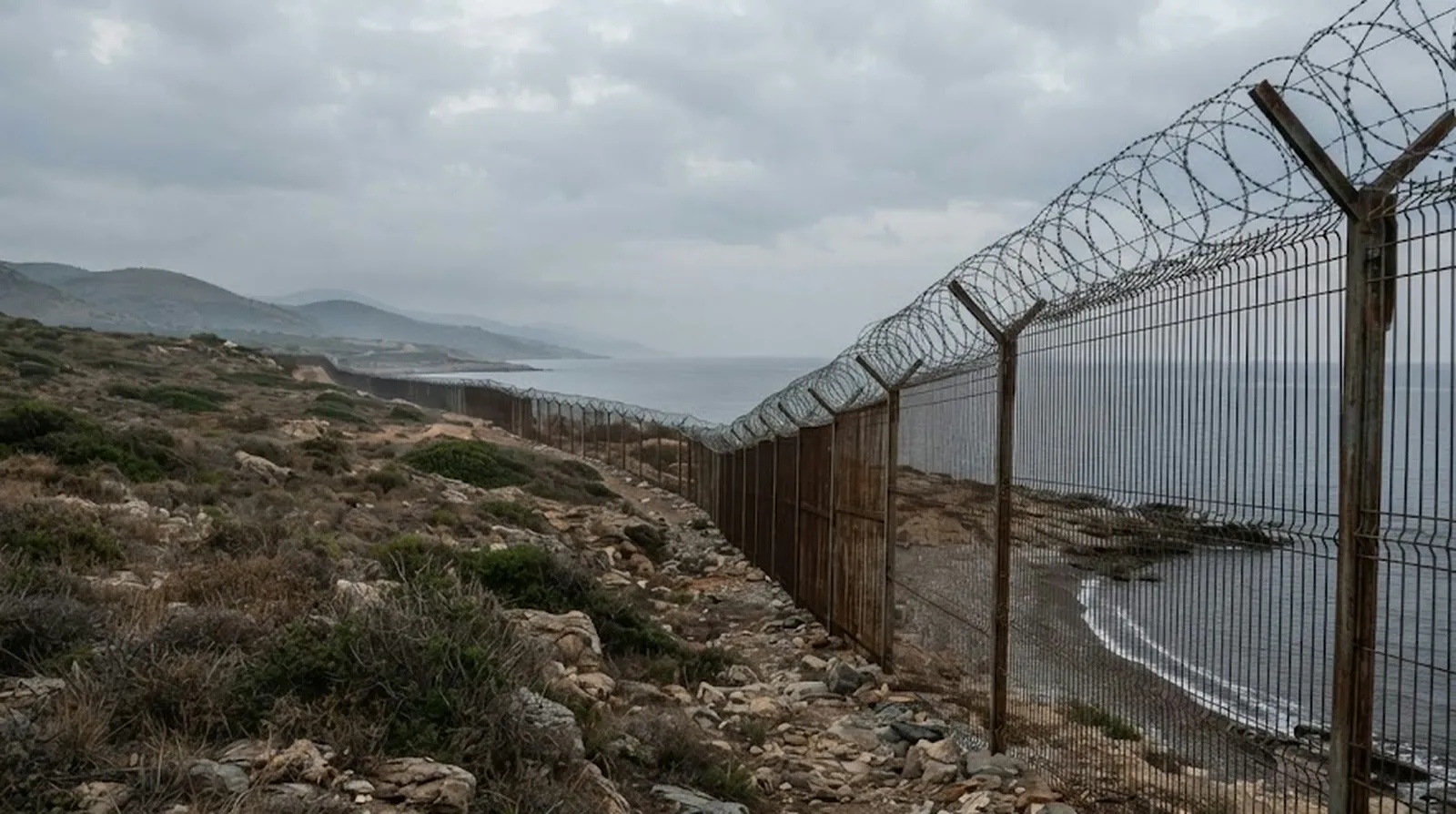
In a single day, Europe's border ceased to exist. More than 60,000 people crossed into Ceuta - the Spanish enclave on the north African coast - by land and by sea. At least 57 never reached the other side. A city of around 83,600 residents woke up with tens of thousands of people on its streets, some of whom had slept in the open.
Spanish prime minister Pedro Sánchez placed the blame on smuggling networks and said the country's territorial integrity was under threat. That is the sort of formulation used once something has already happened and nobody has an answer for what comes next.
The numbers that fit no estimate at all
According to Spain's Interior Ministry, by 3:30pm over 48,000 people had returned to Morocco - at a rate of roughly 150 people per minute across the Tarajal breakwater. A return that organised, in that little time, says something other than chaos. Forty-eight thousand people do not move like that unless somebody opened the gate and somebody closed it.
And that is the question hanging over the whole event. According to the footage that surfaced, Moroccan gendarmerie calmly watched groups pouring out of trucks towards the Spanish border. When a country's border service looks the other way, that is not an oversight - it is a policy.
Melilla, the second door
The problem did not stay in Ceuta alone. At the Beni Enzar crossing, around 500 people tried to enter Melilla, the other Spanish enclave. Several explosions were heard, riot police units were deployed, and the crossing has been shut since Thursday evening. Enclave president Juan José Imbroda estimated „at most 400“ people crossed illegally that day.
In Nador, near the Beni Nsar crossing, violent clashes broke out between security forces and hundreds of young people, many of them minors.
Inside the city: broken-into flats and emptied shops
In Ceuta, migrants are breaking into apartment blocks and houses, trying to occupy them. Local media note they clearly know Spanish law well - once a flat is occupied, eviction requires a separate legal procedure and becomes considerably harder. Some of those who entered are breaking into shops.
One resident described the situation as „constant demonstrations“. From the Moroccan town of Castillejos, groups tried to breach the fence and threw stones at security forces.
Who holds the handle
This is the moment worth remembering. Not because 60,000 people crossed - but because they crossed and went back the same day. Morocco has just demonstrated exactly what a European border is worth and how quickly it can be opened when Rabat decides it needs something from Madrid or Brussels. This is not a migration crisis in the classic sense. It is a demonstration.
The Balkans know this scene by heart. Borders here opened and closed for years according to who was negotiating with whom, and the people passing through them were the last to know why. The only difference is that this time the scene played out at the European Union's own front door, rather than somewhere Brussels can look away from.
Fifty-seven people died while somebody was weighing up their negotiating position. The question is not whether Spain will reinforce the fence - it is already doing that. The question is who answers for those 57, and whether anybody will even ask when the news moves on to another topic next week.
The latest 10 news from this category

Two prime ministers in the same Union, the same month, completely opposite diagnoses of who is provoking whom. There is...

A broken aircraft in a field usually ends up in a police note. This one ended up with federal investigators,...

Beijing will easily find another supplier. The harder question is what Washington is actually testing: whether private Chinese companies will...

The law lets Washington hit the five biggest buyers of Russian oil with tariffs of up to 100 per cent....

Measures imposed over the war in Ukraine are now being offered as currency in an entirely different dispute. If the...

A smaller dose and more needles does not mean a safer vaccine, it means an ineffective one. Science has had...
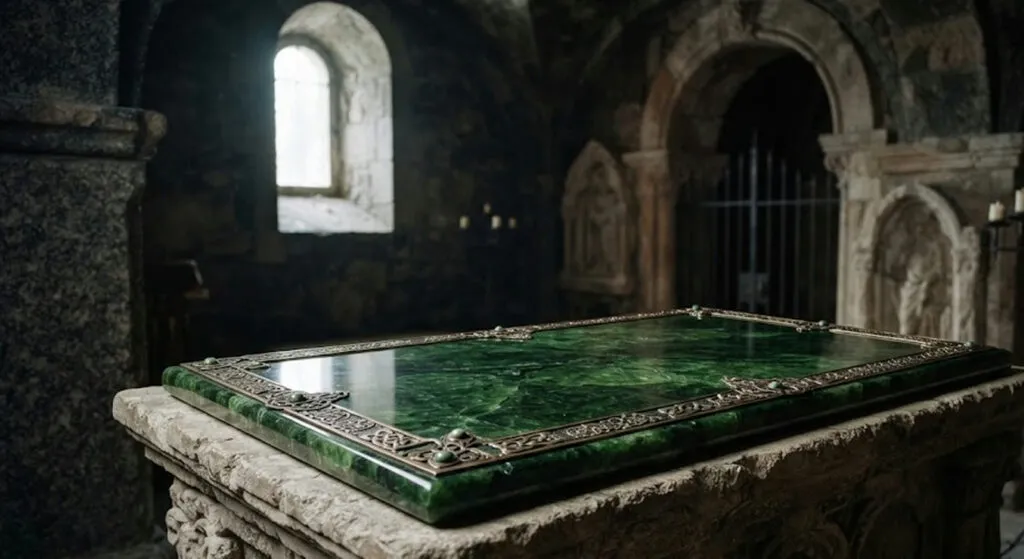
Harald designed the sarcophagus himself, and it is shaped like a ship. The stone is 400 million years old and...

Von der Leyen proposed a status that does not exist in European law, the Canadians distanced themselves, and Washington announced...

The French candidate called the war in Ukraine a slaughterhouse and pointed out it has already lasted longer than the...

Four decades in politics, but the headline the world wrote was about her brother and his sixteen wives. When the...
This site uses cookies - is that okay? Learn more
Be the first to know when Metla launches something new
Leave your email and we will write when there is a new guide or something new on Metla.