

"Being careful" is Macedonia's most-used contraceptive: 43.9% of couples, against 14% using a modern method
28.09.2026


28.09.2026

28.09.2026

28.09.2026

28.09.2026
28.09.2026

28.09.2026

28.09.2026

27.09.2026

27.09.2026

28.09.2026

28.09.2026

27.09.2026

28.09.2026

28.09.2026

28.09.2026

28.09.2026

27.09.2026

26.09.2026

28.09.2026

28.09.2026

28.09.2026

09.03.2026

27.02.2026

19.02.2026

28.09.2026

27.09.2026

27.09.2026

23.04.2026

23.04.2026

12.04.2026

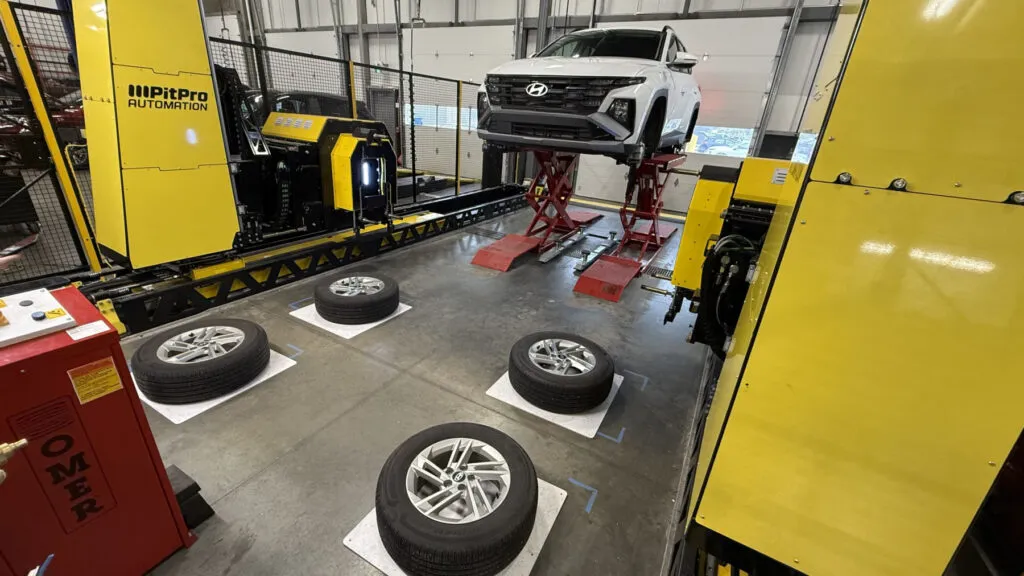
If you live in Canada, your winter tyres might be put on by a robot this autumn. San Francisco startup PitPro Automation is installing its first automated tyre-changing system at a tyre shop in Calgary, Alberta. According to the company, the robot changes a set of four tyres in under 15 minutes. The first customer is Kal Tire, one of Canada's biggest independent tyre chains.
Behind the machine is a very ordinary problem. Founder and CEO Jeremy Conrad says changing tyres is back-breaking work and that shops face a serious labour shortage. Even when they find people, they often leave after a few months, a year at most. "One manager told me he had to ask for special permission to pay more, because a Panda Express opened across the street and took about half his staff," Conrad said.
The system is designed to fit into the shop's existing service bays. It consists of two robots, each about the size of an oven, which use sensors and a robotic arm to find and loosen the lug nuts, set them aside, remove each wheel and put a new or rotated one in its place. Mechanics can use the same bay for other repairs too, and that's the argument PitPro uses to persuade shops to give it a try.
Until now the company has mostly talked about corporate fleets, and that remains the priority. Its adviser is Ted Cannis, a former Ford Pro executive who, according to Conrad, has connections with almost every major fleet in the US. But tyre chains are attractive because of constant demand: in Canada, switching from summer to winter tyres and back is a yearly chore for most drivers. PitPro is targeting chains rather than small shops, because they have standard layouts and are easier to scale across.
The real world, of course, isn't a lab. Shops operate with their doors open, so the robots are exposed to dust, dirt and bad weather, and the sensors need a clear view of the wheels. Conrad showed a photo from Calgary in which the robots were almost completely covered in dandelion seeds. "We checked, it won't be a problem for us," he said, laughing. "But I never thought we'd have to deal with a cloud of dandelions."
How many years will it be before a robot like this turns up in a tyre shop in the Balkans - and when it does, will it replace a mechanic, or fill a job nobody wants to do any more?
The latest 10 news from this category

A test that until now was done by elite athletes in labs is supposed to reach gyms, with no operator...
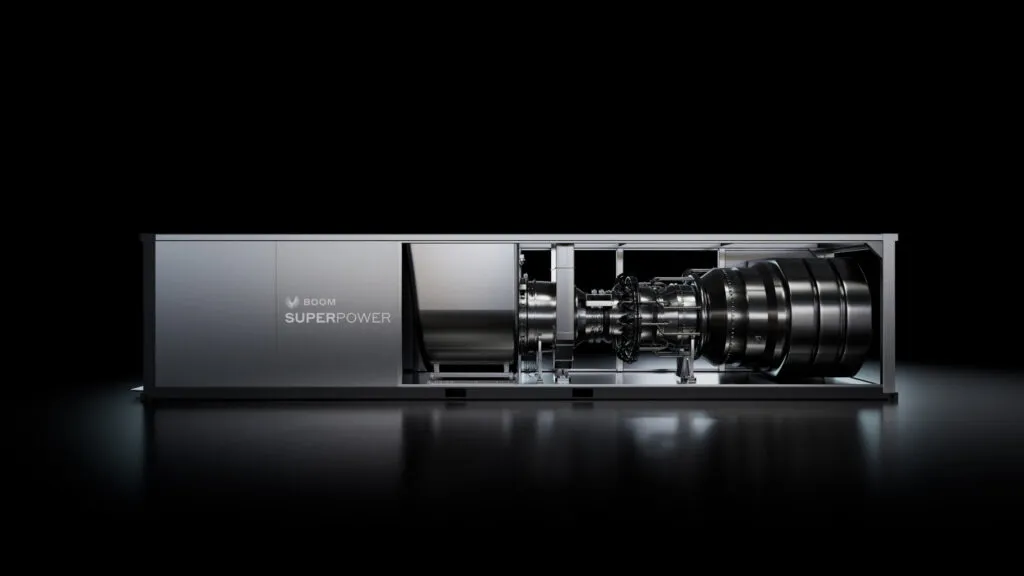
The supersonic jet maker wanted to fund its planes with electricity for data centres. Its launch partner walked away before...

You say what you want, the machine builds the app - and investors are paying more and more for it....
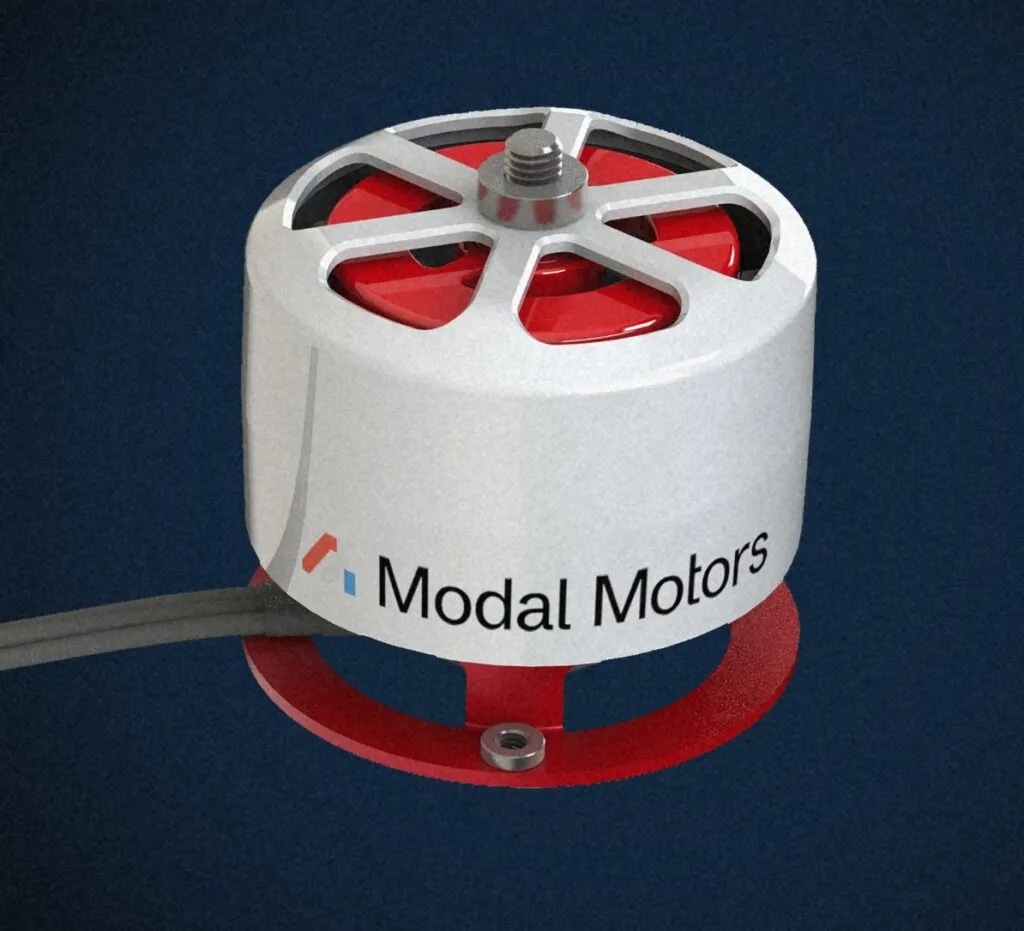
While others copy Chinese motors on American soil and wait for domestic magnets, Modal Motors is taking rare earths out...

The labs have hit the limit of what can be scraped off the internet for free, so now they buy...
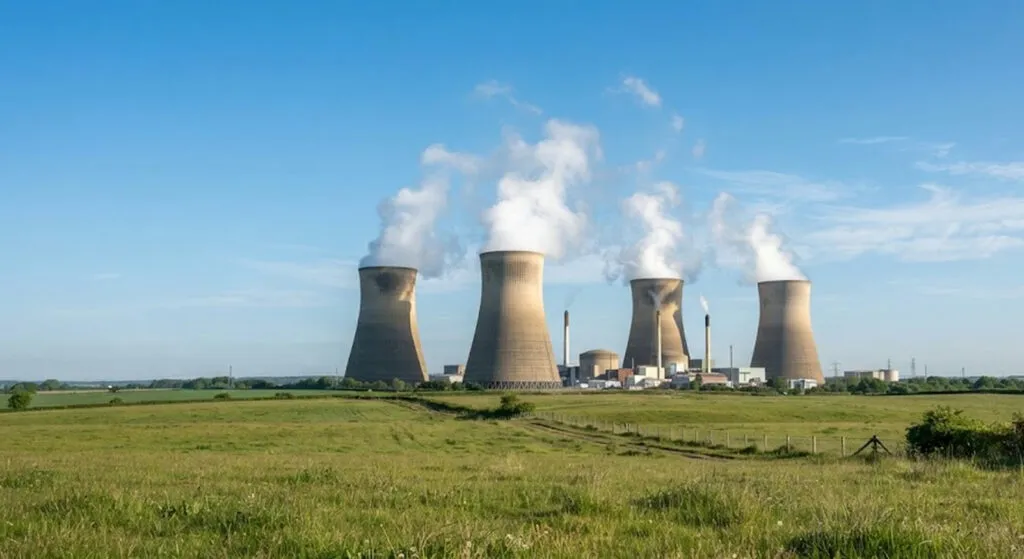
The 50-megawatt reactor is due to start up in 2030, and by 2035 Google wants 500 megawatts. When data centres...

Tinex, SuperTinex, Konto and Spot move to a Pristina-based group with 235 million euros in turnover. The commission saw no...

The WHO has declared loneliness a global health problem linked to around 870,000 deaths a year. On America's east coast...

Porsche, Alaska Airlines and J.B. Hunt are not buying startups - they are commissioning them. When innovation moves inside the...

Sold for two billion, blocked by the state, bought back by its own investors - and now worth twice as...
This site uses cookies - is that okay? Learn more
Be the first to know when Metla launches something new
Leave your email and we will write when there is a new guide or something new on Metla.