
Mickoski Said the Sentence Sofia Doesn't Want to Hear: "We Have a Bilateral Dispute"
27.09.2026


27.09.2026

27.09.2026
27.09.2026

27.09.2026

27.09.2026
27.09.2026
27.09.2026
27.09.2026

27.09.2026

27.09.2026

27.09.2026

26.09.2026

27.09.2026

27.09.2026

27.09.2026

27.09.2026

26.09.2026

25.09.2026

27.09.2026

27.09.2026

27.09.2026

27.09.2026

27.09.2026

27.09.2026

09.03.2026

27.02.2026

19.02.2026

27.09.2026

27.09.2026

26.09.2026

23.04.2026

23.04.2026

12.04.2026

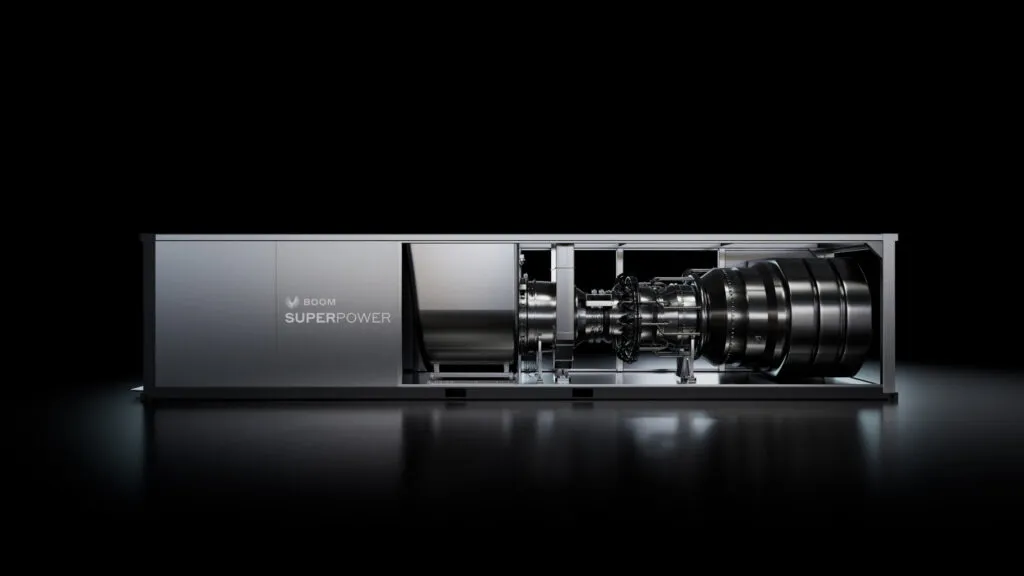
Crusoe, the Denver start-up that builds data centres for artificial intelligence and recently raised 3.9 billion dollars (around 3.4 billion euros), has ended its partnership with Boom Supersonic. The deal was worth 1.25 billion dollars (around 1.1 billion euros) for 29 Superpower turbines of 42 megawatts each, with first deliveries in 2027.
The explanations are short, as if written by a PR department. Boom CEO Blake Scholl boiled it down to one sentence: "In short, turbines are no longer part of Crusoe's primary power source in Abilene and at other sites in the near future, so the launch partnership simply didn't make sense." From Crusoe, via spokesperson Andrew Schmitt: "While Boom has been a great partner, the partnership isn't the right fit at this time."
Boom is a company that wants to build supersonic passenger jets. The Superpower turbine shares around 80 percent of its components with the Symphony engine designed for its aircraft. The plan was clear: last year Boom raised 300 million dollars (around 263 million euros) to commercialise its stationary power business, and the profits were meant to fund development of the Overture jet. Electricity for data centres was supposed to pay for the dream of supersonic flight.
Now the launch partner is leaving before the first turbine has even arrived. Boom says it has 250 megawatts of deliveries planned to other customers next year, with a target of 1 gigawatt by 2028. Will those numbers hold up without the client that was supposed to be the shop window?
The reason lies in Abilene, Texas. Crusoe's campus providing computing power for OpenAI runs on grid electricity, with gas turbines only as backup. A separate 900-megawatt data centre in Abilene, intended for Microsoft, will use on-site gas turbines. So gas isn't disappearing from the AI story.
Crusoe started in 2018 as a bitcoin mining firm that used surplus natural gas from oil fields. Today it sells computing power to the biggest AI labs and can afford to cancel a deal worth one and a quarter billion dollars. The race to power AI is still being run on gas, and Boom is now learning how quickly a client with plenty of options can change its mind.
The latest 10 news from this category

A test that until now was done by elite athletes in labs is supposed to reach gyms, with no operator...

You say what you want, the machine builds the app - and investors are paying more and more for it....
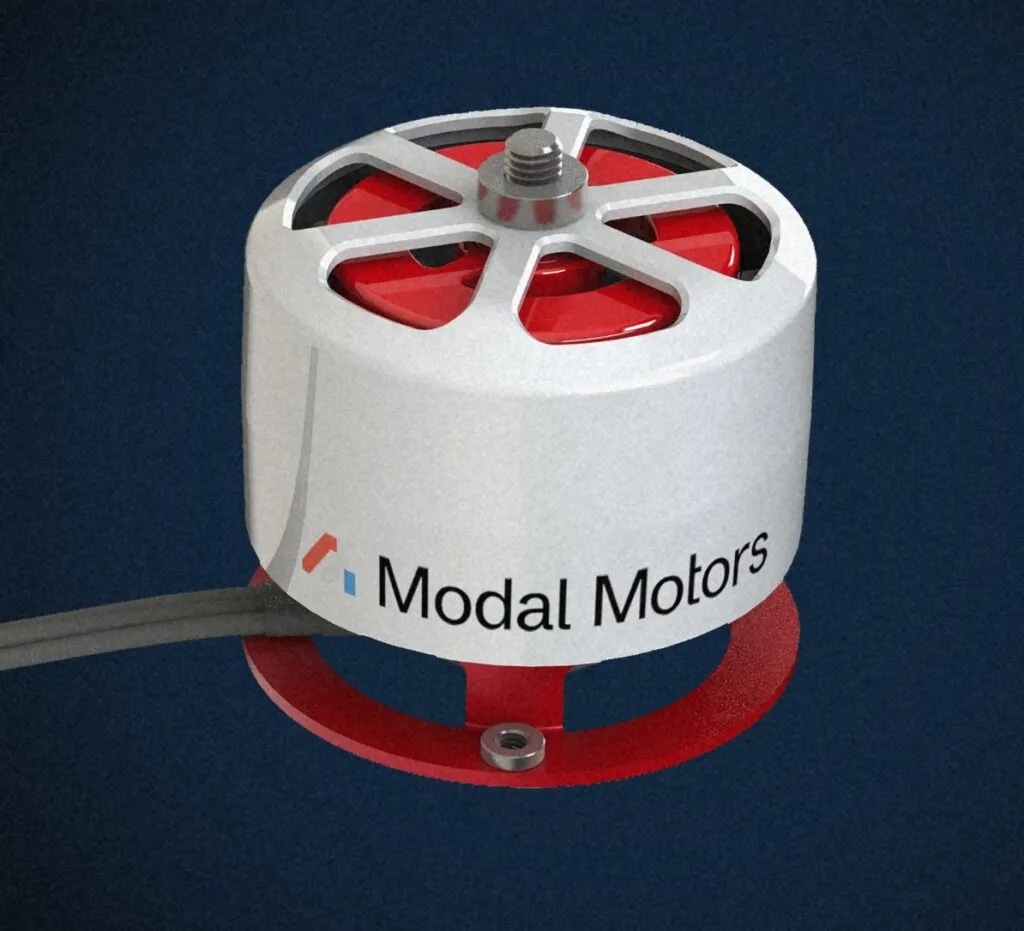
While others copy Chinese motors on American soil and wait for domestic magnets, Modal Motors is taking rare earths out...

The labs have hit the limit of what can be scraped off the internet for free, so now they buy...
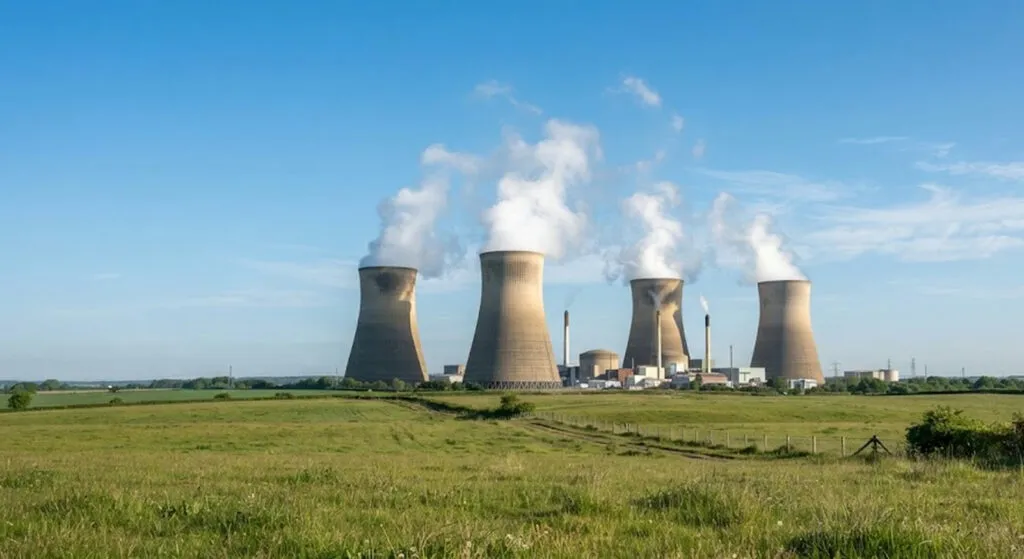
The 50-megawatt reactor is due to start up in 2030, and by 2035 Google wants 500 megawatts. When data centres...
Tinex, SuperTinex, Konto and Spot move to a Pristina-based group with 235 million euros in turnover. The commission saw no...

The WHO has declared loneliness a global health problem linked to around 870,000 deaths a year. On America's east coast...

Porsche, Alaska Airlines and J.B. Hunt are not buying startups - they are commissioning them. When innovation moves inside the...

Sold for two billion, blocked by the state, bought back by its own investors - and now worth twice as...
An eight-year-old firm that started out mining crypto has tripled its value in ten months. It did not discover anything...
This site uses cookies - is that okay? Learn more
Be the first to know when Metla launches something new
Leave your email and we will write when there is a new guide or something new on Metla.