
A sniper rifle, automatic weapons and an ISIS flag from 12 locations in Skopje: intelligence agency talks of radical imams and recruiting young people
30.09.2026


30.09.2026

30.09.2026

30.09.2026

30.09.2026

30.09.2026

30.09.2026

30.09.2026

29.09.2026

28.09.2026

30.09.2026

30.09.2026

29.09.2026

30.09.2026

30.09.2026

30.09.2026

30.09.2026

29.09.2026

28.09.2026

30.09.2026

30.09.2026

30.09.2026

09.03.2026

27.02.2026

19.02.2026

30.09.2026

29.09.2026

28.09.2026

23.04.2026

23.04.2026

12.04.2026

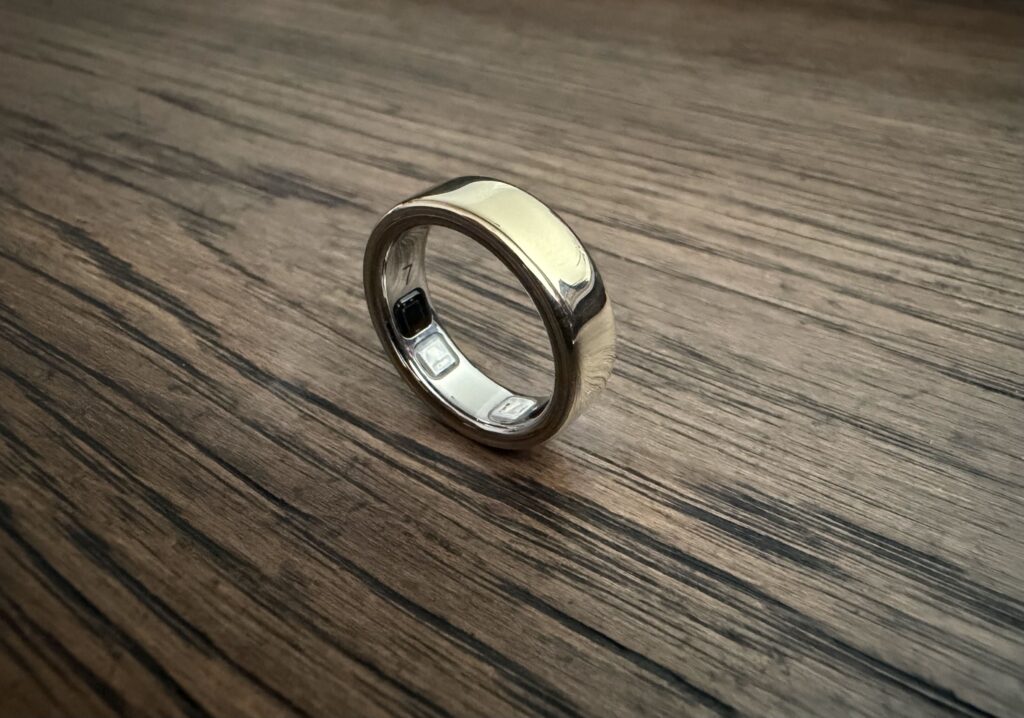
Finnish smart ring maker Oura has postponed its stock market listing indefinitely - a listing that was meant to raise up to 2.2 billion dollars (around 1.9 billion euros). The entire explanation is one phrase: "IPO market uncertainty." Nothing more.
The plan was specific: 55 million shares priced between 40 and 44 dollars. At the midpoint of that range, Oura would have been worth up to 15 billion dollars (around 13 billion euros). CEO Tom Hale wrapped the retreat in corporate optimism: "Our mission is to help people live healthier, longer lives, and an IPO is just one step on that journey. We want to deliver an exceptional IPO for our employees and investors, and we have the luxury of choosing the moment ourselves. In the meantime, we'll pursue the opportunities in front of us."
And the numbers really don't look like those of a company in a panic. The Oura Ring 5 is selling well, and paying members stand at 5.7 million, up from 5 million at the end of June. The company expects revenue in fiscal 2026 to grow 90 percent compared with 2025, when it was 907.9 million dollars. Memberships carry a gross margin of 89 percent, although they make up only about a fifth of sales - most revenue still comes from the ring itself. At the end of June there was around 372 million dollars in the bank.
So who loses? Those who were counting on the listing money. Forerunner Ventures, which holds a 9.3 percent stake, expected to take out around 1.2 billion dollars. And Oura itself was supposed to spend most of what it raised on taxes for the shares employees received as rewards, which were due to become theirs precisely at the listing. So the IPO wasn't only about growth - it was also meant to cover the tax bill on its own rewards.
Oura's valuation climbed fast: in October 2025 it was valued at 11 billion dollars when it raised 900 million dollars in a round led by Fidelity - almost double the 5.2 billion it was worth less than a year earlier. When a company with that kind of curve and cash in the bank says the market is too uncertain, it says more about the market for new listings than about Oura itself.
If a Finnish company expecting 90 percent growth backs away from the opening bell, how long will the other European startups dreaming of the same thing have to wait their turn?
The latest 10 news from this category
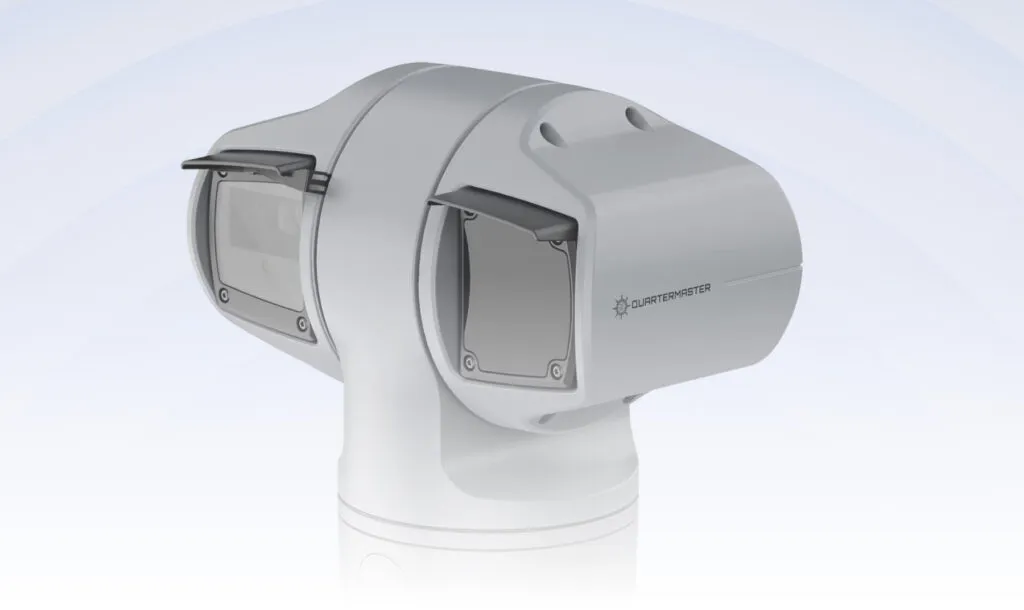
For decades, ships have reported only with a location signal. Now someone is putting eyes on the mast - and...
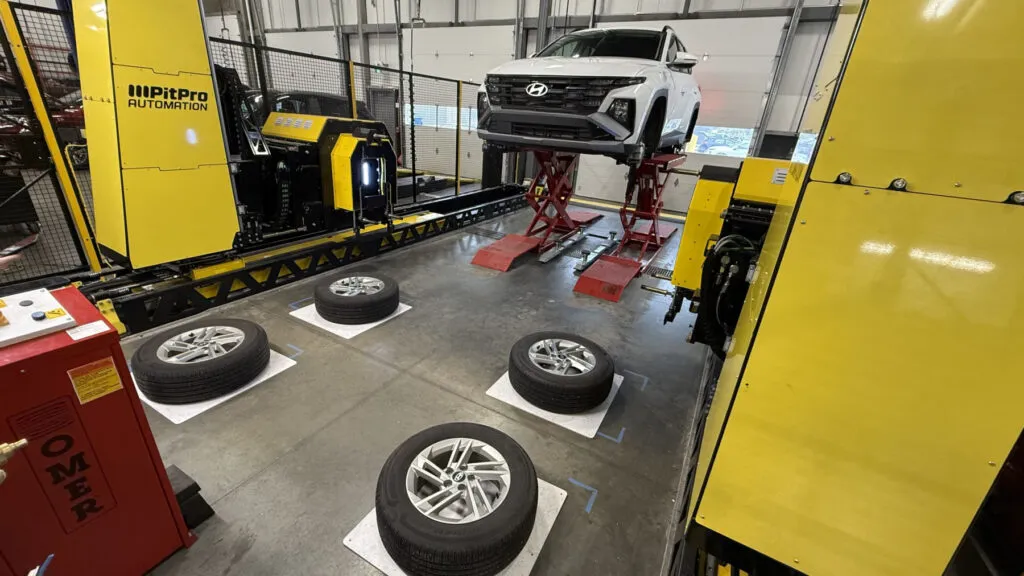
One manager had to ask for special permission to pay staff more after a fast-food restaurant across the street took...

A test that until now was done by elite athletes in labs is supposed to reach gyms, with no operator...
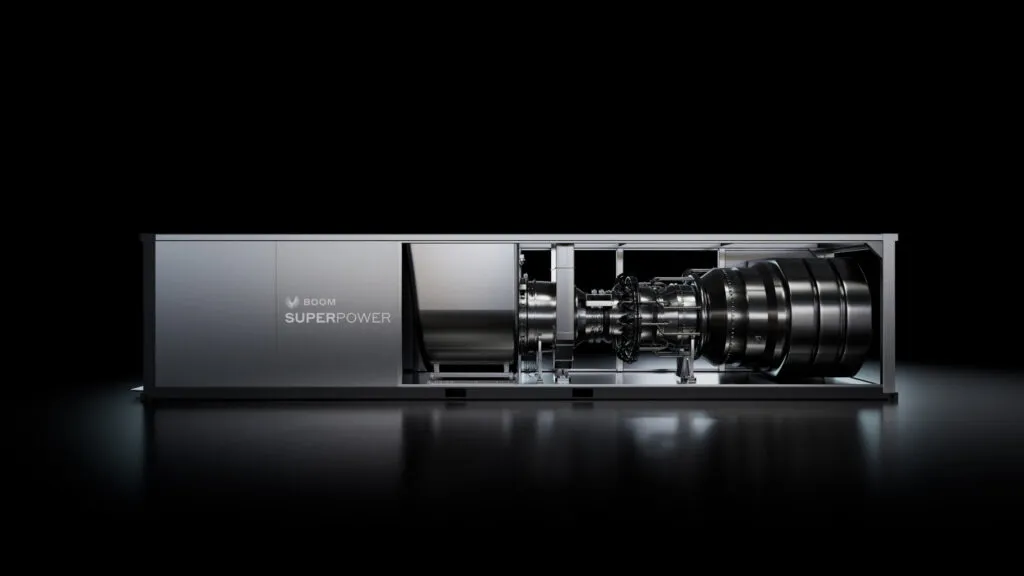
The supersonic jet maker wanted to fund its planes with electricity for data centres. Its launch partner walked away before...

You say what you want, the machine builds the app - and investors are paying more and more for it....
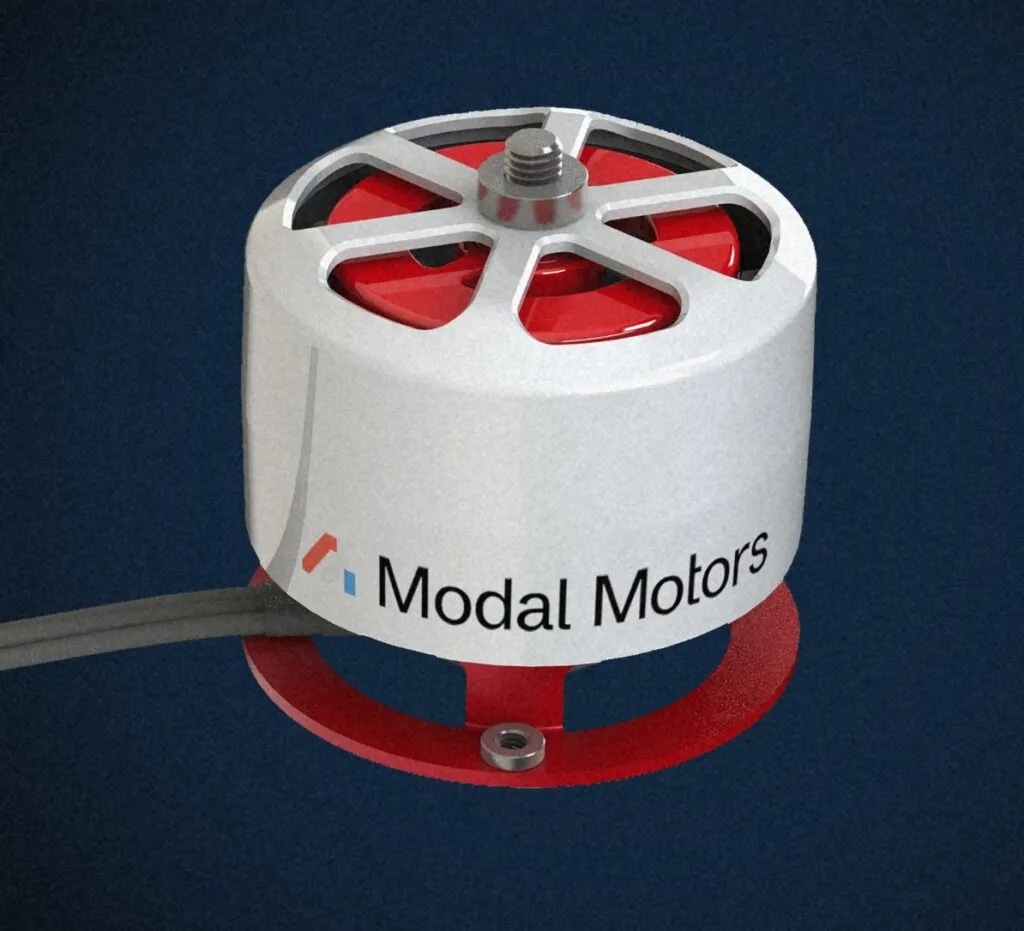
While others copy Chinese motors on American soil and wait for domestic magnets, Modal Motors is taking rare earths out...

The labs have hit the limit of what can be scraped off the internet for free, so now they buy...

The 50-megawatt reactor is due to start up in 2030, and by 2035 Google wants 500 megawatts. When data centres...
Tinex, SuperTinex, Konto and Spot move to a Pristina-based group with 235 million euros in turnover. The commission saw no...

The WHO has declared loneliness a global health problem linked to around 870,000 deaths a year. On America's east coast...
This site uses cookies - is that okay? Learn more
Be the first to know when Metla launches something new
Leave your email and we will write when there is a new guide or something new on Metla.