
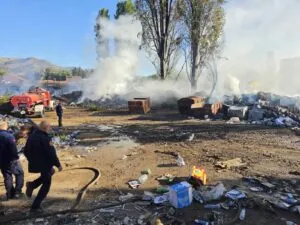
Fire by the railway in Prilep: residents watched black smoke over textile waste, "Komunalec" says - a small part, no danger
04.10.2026


04.10.2026
04.10.2026
04.10.2026
04.10.2026
04.10.2026
04.10.2026
04.10.2026

04.10.2026
04.10.2026

04.10.2026
04.10.2026
03.10.2026

04.10.2026

04.10.2026

04.10.2026

04.10.2026

03.10.2026

02.10.2026
04.10.2026

04.10.2026

04.10.2026
04.10.2026

04.10.2026
03.10.2026

09.03.2026

27.02.2026

19.02.2026
04.10.2026
04.10.2026
03.10.2026
04.10.2026

02.10.2026
22.08.2026

23.04.2026

23.04.2026

12.04.2026

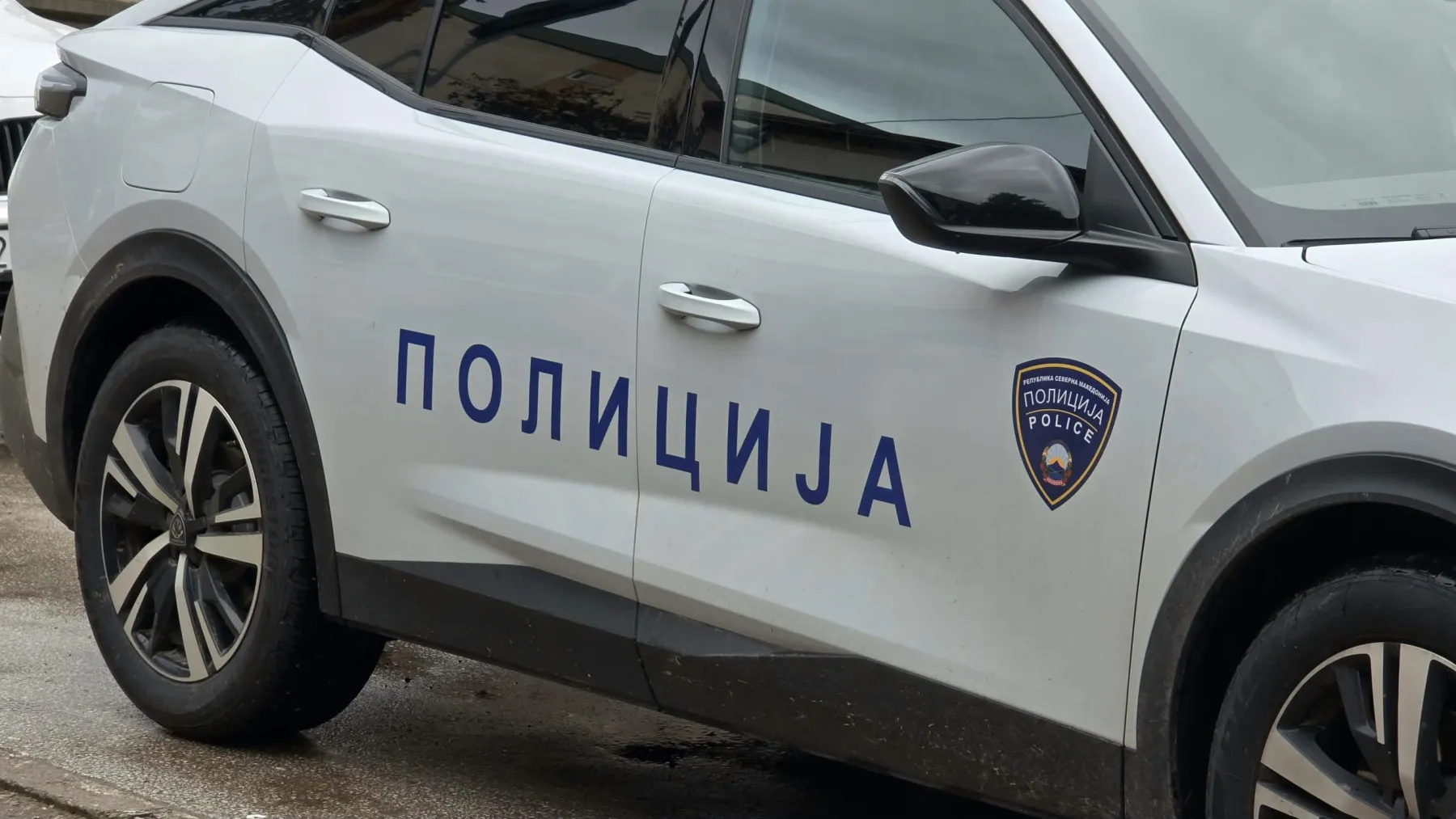
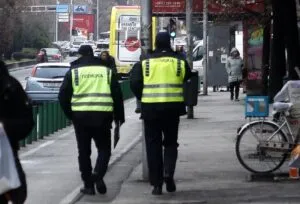
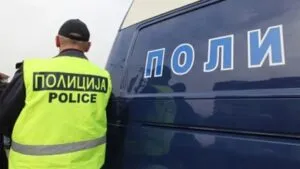
A police officer sits in an oncology waiting room, referral in hand, and is told he won't be getting his chemotherapy today. Not because there's no slot. Not because there's no drug. Because the system doesn't recognise him as insured. This isn't a scene from a bad drama - it is what happened to Interior Ministry employees as of yesterday.
The entire Ministry of Interior lost its health insurance overnight. People were turned away from chemotherapy, from diagnostic procedures, from laboratories, with a simple explanation: either pay privately, or wait for the situation to be sorted out. Thousands of employees, in a single moment, administratively non-existent to the health system.
One error, the whole institution
The cause, according to sources at the Health Insurance Fund, is familiar and boringly repeatable. A police officer was reinstated by a final court ruling. His contributions were not posted on time. And because the software link between the Ministry and the Fund works on an "all or nobody" principle, a block over one man knocks out everyone.
This is not the first time. The same thing happened in late June this year - that time because of a wrong personal identification number for an officer reinstated by court ruling. So the problem is identified, the mechanism is understood, and the solution - doesn't exist. A system in which one typo strips every member of the police force of health insurance isn't a system, it's an improvisation waiting for a tragedy to happen to it.
The union reacts, the ministry stays quiet
The Independent Police Union issued a reaction. "We consider such situations impermissible and they must not be repeated at the Fund, especially when it comes to the health insurance of police officers," the statement reads. The union announced it will send a letter to the interior minister demanding urgent intervention at the Fund and a permanent solution, so that it does not recur.
Note the wording - the union is asking its own minister to intervene with another institution so that the people he leads get their rights back. That is an admission that the Ministry has no mechanism to fix this itself, and that the Fund has no motive to fix it without pressure. Standing between the two institutions is a police officer on chemotherapy.
Who pays for the technical error?
According to the sources, the contributions for the employee in question were due to be posted during the day, after which the system unblocks and everyone gets their insurance back. In other words - the problem solves itself, in a day, every time it happens. And that is exactly why nobody will be held to account.
But one day is enough. Enough to cancel a therapy, to postpone a diagnostic, to lose an appointment waited on for weeks. For an oncology patient, one day is not an administrative trifle.
The question that remains isn't technical but political: why is the software of two state institutions still not decoupled so that an error involving one employee doesn't take down everyone? Answering it doesn't require millions of euros, or European funds, or a reform strategy. It requires someone to sit down and do it. Until then, every Interior Ministry employee will live knowing that their right to treatment depends on whether somebody clicked in a form on time.
The latest 10 news from this category
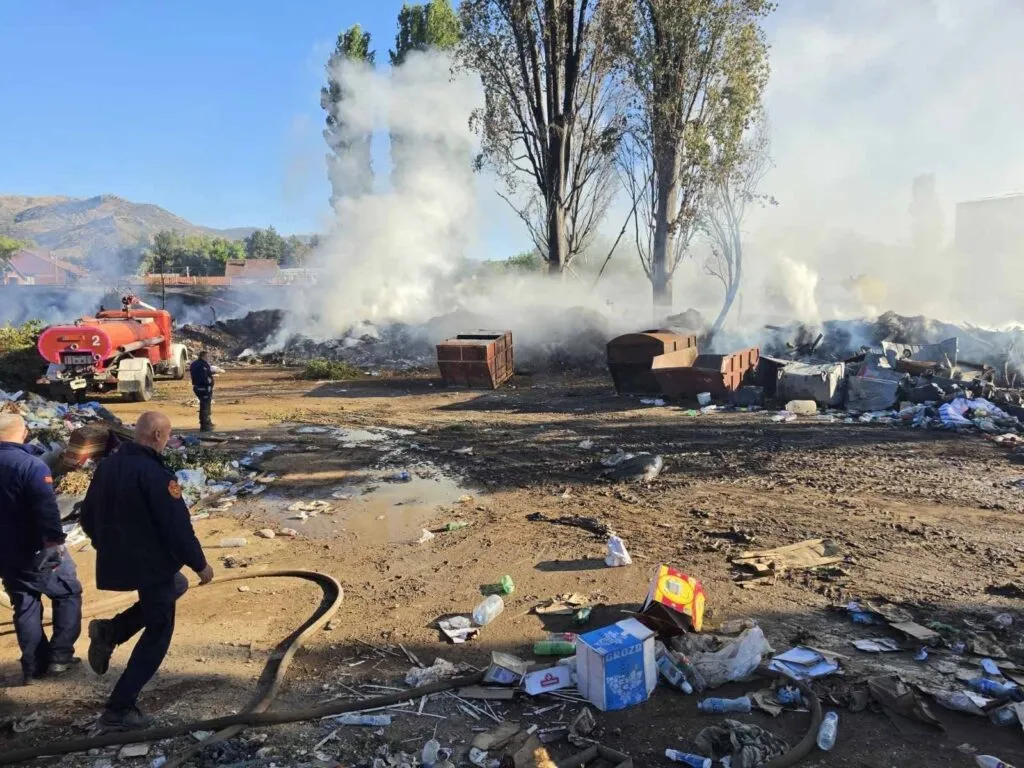
On one side, thick, choking smoke visible even from the road to Bitola. On the other - a statement that...
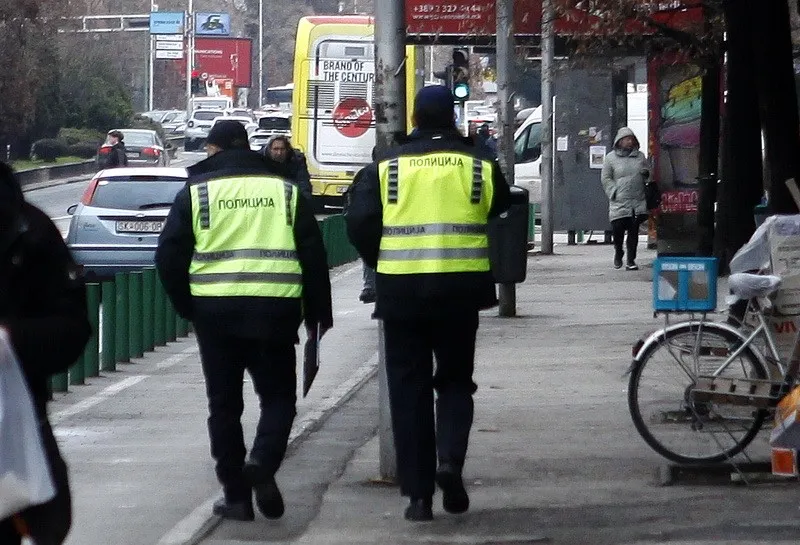
A fifteen-year-old robbed under threat of a sharp object, three primary school pupils attacked on a day trip, a seventeen-year-old...
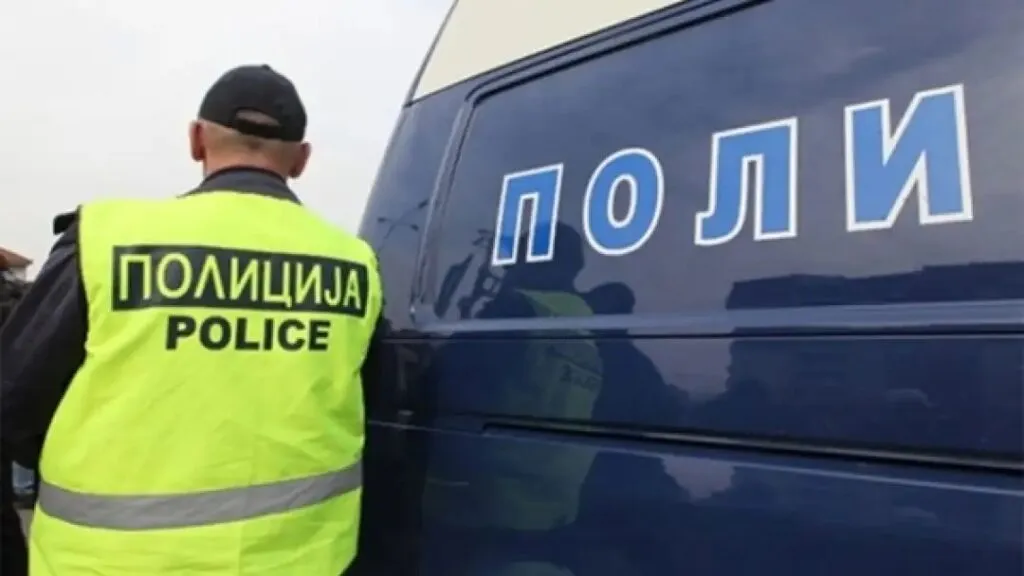
Unresolved property relations over a village road, a sharp object and traces of blood. The 75-year-old suspect has been detained.
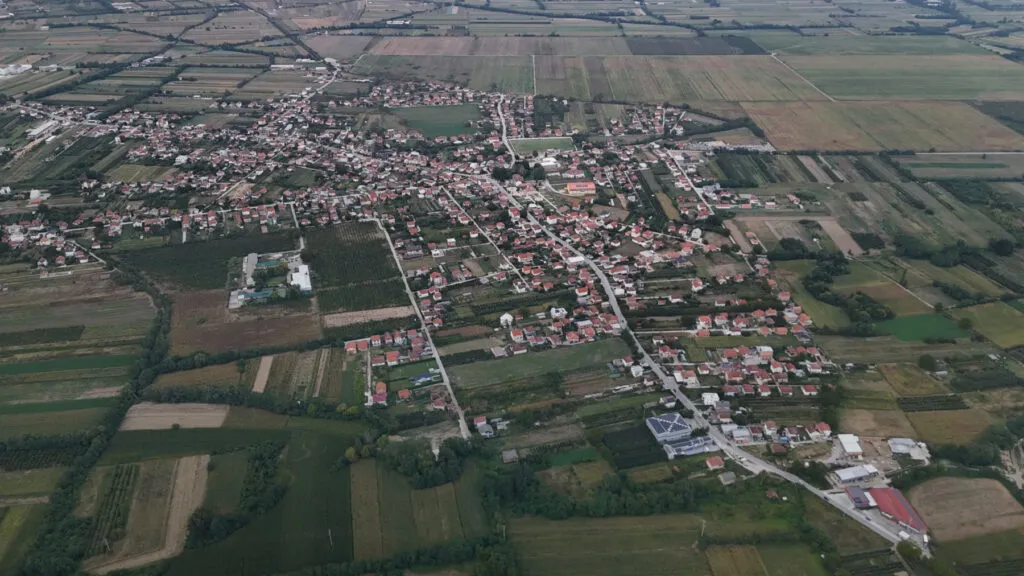
Extending the old road, water for Gurgurnica, young people who shouldn't leave and municipal companies. One candidate didn't respond to...
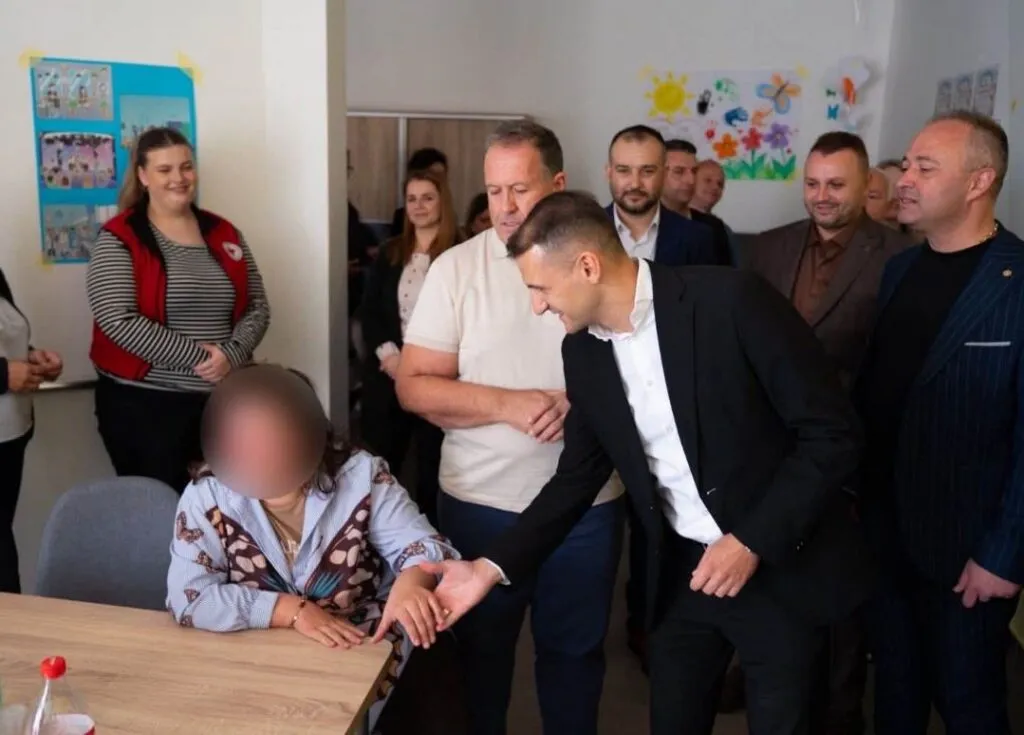
Minister Velkovski opened the centre and spoke of a society in which everyone has an equal chance. Capacity is 12...
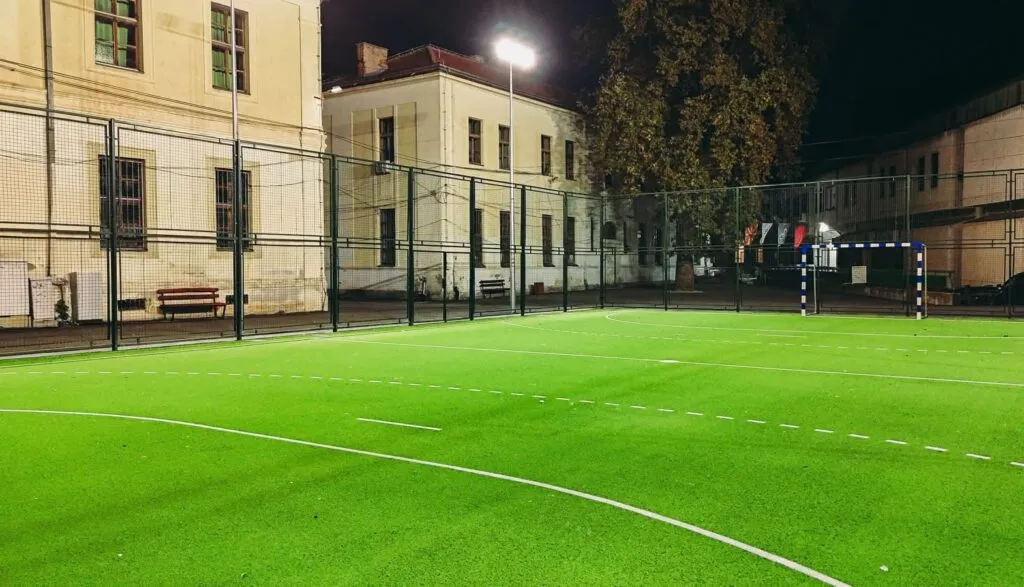
Futsal, handball and basketball, a fence and lighting. The money comes from a government call, and the real test comes...
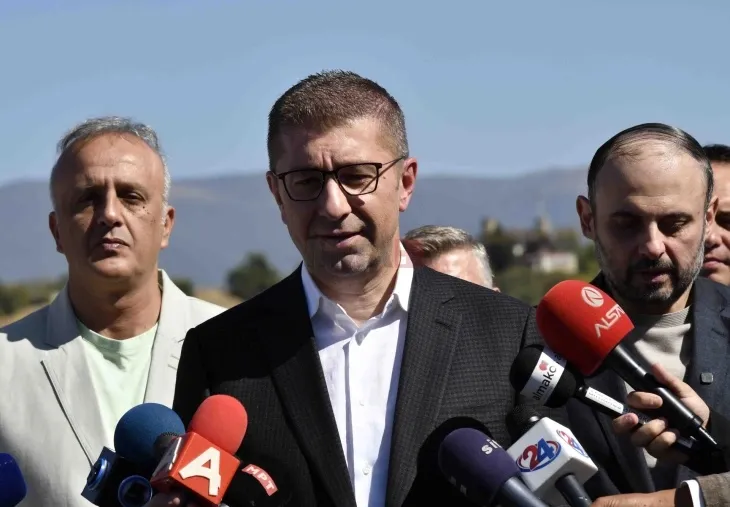
The constitutional changes stay on the table, and Skopje has requested a bilateral meeting with Bulgaria. So far there is...
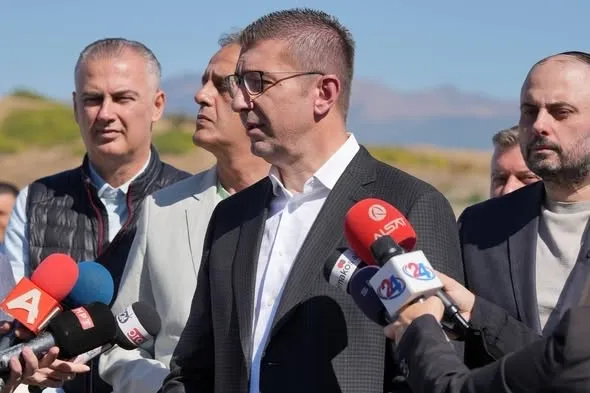
As Greece handed Bulgaria the remains identified as Samuel's, the prime minister answered with history. His dates didn't add up.
Just to preserve the purchasing power of the 140 denars, food prices say it should be around 151. Instead, the...
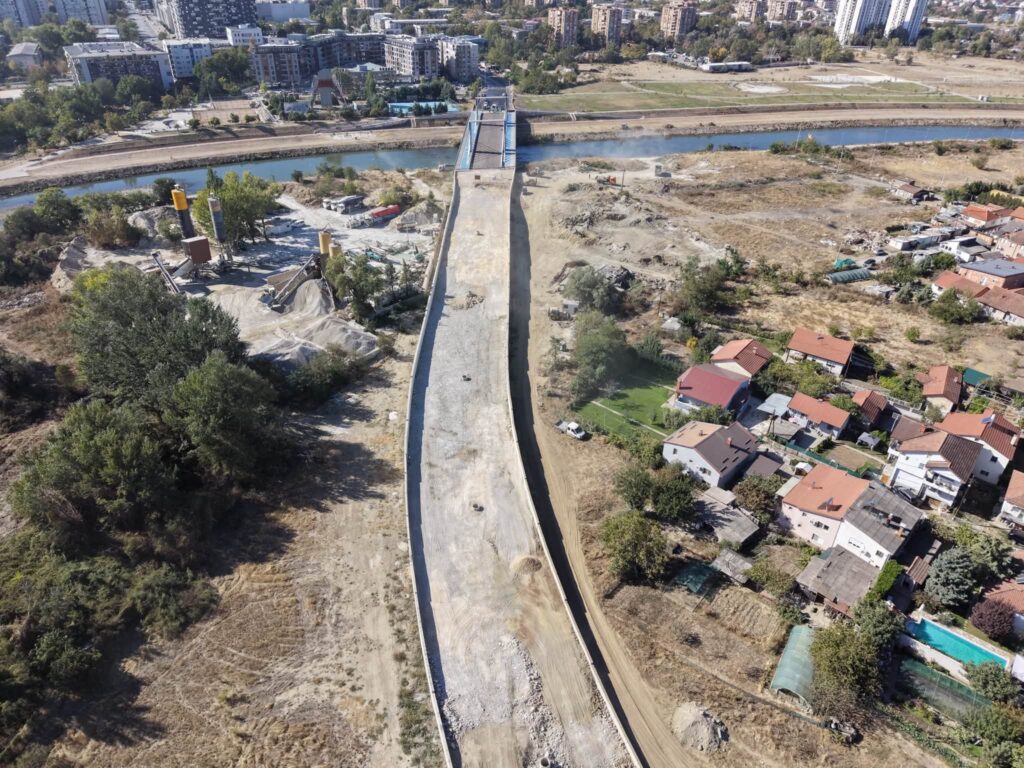
A new link to Zlokukjani, Bardovci and the Industrial Zone, four lanes and 40 street lights. Gjorgjievski pinned the blame...
This site uses cookies - is that okay? Learn more
Be the first to know when Metla launches something new
Leave your email and we will write when there is a new guide or something new on Metla.