

They Rode In on Scooters, Torched the Shops and Left: The Fire in Shuto Orizari Burned for Three Hours, Setting It Took Fifty Seconds
13.09.2026


13.09.2026

13.09.2026

13.09.2026

13.09.2026

13.09.2026

13.09.2026

13.09.2026

12.09.2026

11.09.2026

13.09.2026

13.09.2026

12.09.2026

13.09.2026

13.09.2026

13.09.2026

13.09.2026

12.09.2026

11.09.2026

13.09.2026

13.09.2026

13.09.2026
13.09.2026

13.09.2026

12.09.2026

09.03.2026

27.02.2026

19.02.2026

13.09.2026

12.09.2026

11.09.2026

23.04.2026

23.04.2026

12.04.2026

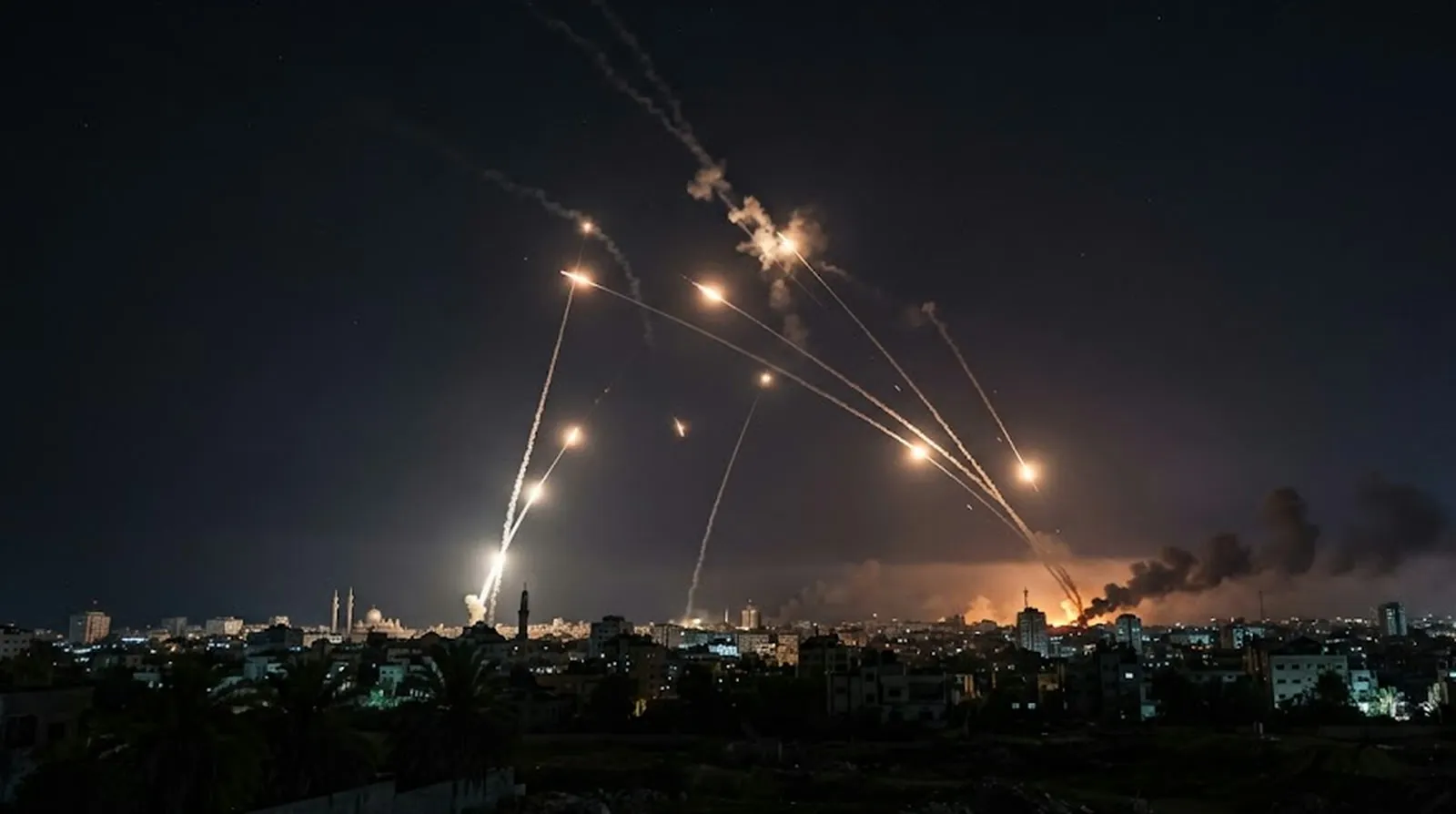
Last night the Middle East didn't sleep again. Iran launched a massive wave of ballistic missiles and drones at American military bases across the region, and air-raid sirens went off almost simultaneously in Jordan, Saudi Arabia, Kuwait and Bahrain. The first reports came in around midnight Central European time, with launches spotted from the areas of Tabriz, Urmia and Karaj.
Jordan announced it had intercepted ten Iranian missiles that entered its airspace, and that there were no dead, no wounded, no material damage. Pro-Iranian channels, however, claim something else - that at least three missiles broke through the defenses and caused direct hits and fires at the Muwaqqar military base. Thermal footage showed anomalies, but Jordanian authorities deny there were any successful strikes. Who do you believe - that is the question that, on nights like these, stays unanswered until morning.
The scenario keeps repeating further along the map. In Saudi Arabia, air defenses kicked in near the „Prince Sultan” military base and near Yanbu, one of the country's major oil terminals. Kuwait issued warnings through its civil defense, and in Bahrain Iranian sources claim four direct hits on the „Sheikh Isa” base. Official confirmation of the damage - none. Every side tells its own version, and the truth, as usual in war, waits.
The American casualties are rising quietly
What isn't told through the front door are the numbers. According to reports, several American soldiers were wounded this week at two bases in Jordan. And if you look at the longer stretch - since February 28, fourteen American soldiers have died, and 427 have been wounded in operations across the region. These aren't abstract statistics. These are fourteen families who won't be welcoming their own back home.
This entire exchange comes after seven consecutive nights of American air strikes on Iranian positions - reconnaissance, military logistics, underground weapons depots and naval capabilities. In other words, this didn't fall out of a clear sky. This is an escalation that has been walking toward itself for days, and now every following night carries the risk of turning into something there is no easy return from.
For the Balkans, which knows all too well the scene of a region catching fire while the world watches from the sidelines, the question isn't whether this is far away. The question is how long an exchange like this can stay „controlled” before someone miscalculates. A closed Strait of Hormuz, a spike in the price of oil, new waves of refugees - each of these consequences has a habit of not staying only where it began.
The latest 10 news from this category
A barren volcanic rock in the middle of a strait 28 kilometres wide changed the oil market in a single...
Hostomel, Odesa, Kryvyi Rih - targets that are not the front line but the supply chain. A war against the...

We don't want war with Europe, but here is exactly how that war would start. He said both sentences in...

When an army recalls its special forces with a 12-hour deadline, that is not a rota but a signal. The...

Port infrastructure in Makhachkala and the theatre building caught fire, the governor said. Moscow claims it shot down 448 drones...
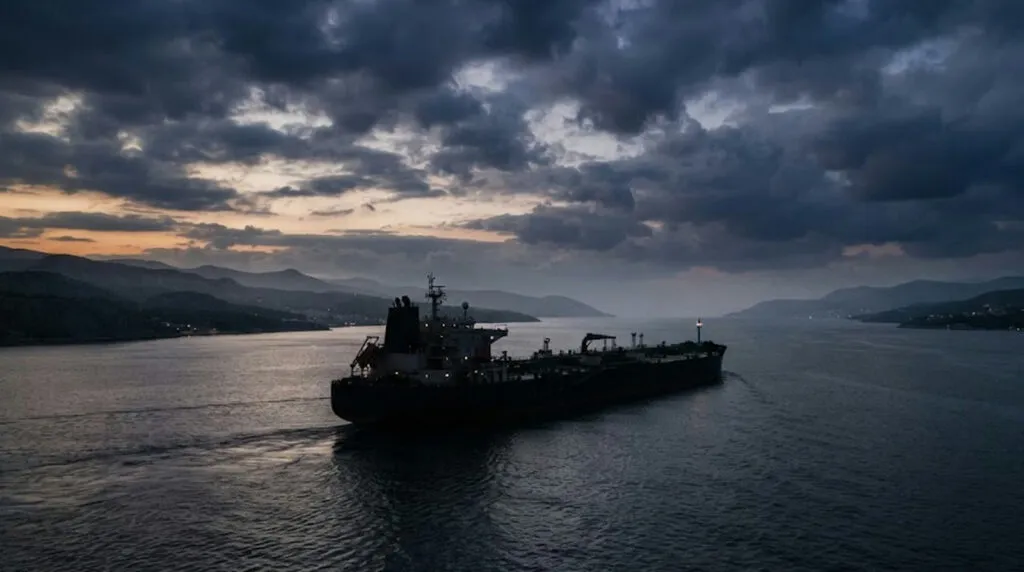
Tehran says it hit around ten ships, Washington says it destroyed five Iranian tankers and that its own vessel is...
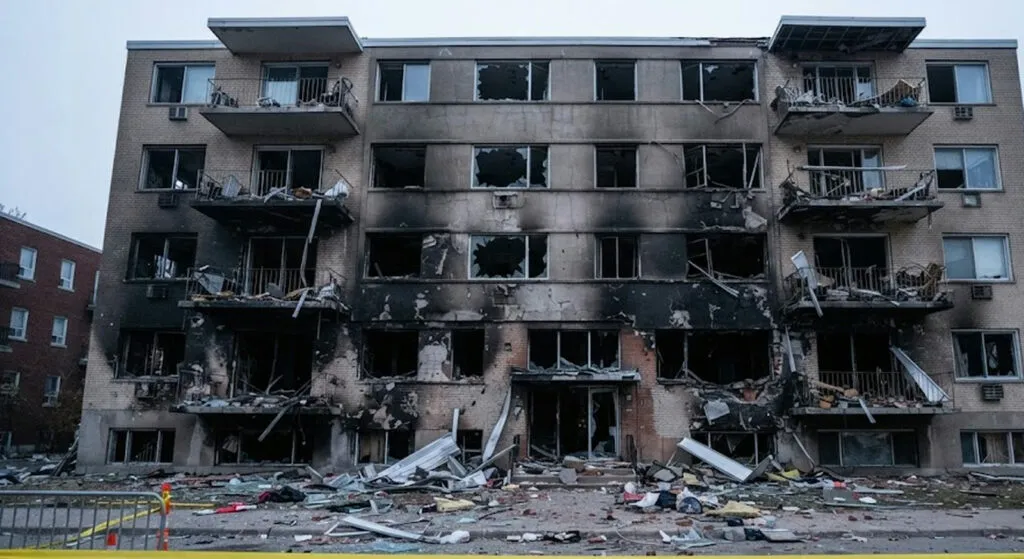
Residential buildings, a kindergarten and an Orthodox church damaged in Russia's largest Black Sea port. Four dead and 29 injured...
When there are no air-to-air missiles left, what remains is a 20mm cannon - and that means the pilot has...

In public - constructive talks. In private, according to an MP in the Verkhovna Rada, the envoys arrived with tougher...

Witkoff and Kushner spent three hours in the Kremlin and came out with an agreement in principle. November was not...
This site uses cookies - is that okay? Learn more
Be the first to know when Metla launches something new
Leave your email and we will write when there is a new guide or something new on Metla.
