
НАУЧНИЦИТЕ ОТКРИЈА: ТАЈНАТА НА ПОБАВНОТО СТАРЕЕЊЕ МОЖЕ ДА СЕ КРИЕ ВО НАШИТЕ ЦРЕВА!
27.10.2026


27.10.2026

27.10.2026

27.10.2026
27.10.2026
27.10.2026

27.10.2026

27.10.2026

27.10.2026

26.10.2026

27.10.2026

27.10.2026

26.10.2026

27.10.2026

27.10.2026

27.10.2026

27.10.2026

26.10.2026

25.10.2026

27.10.2026

27.10.2026

27.10.2026

27.10.2026

26.10.2026
26.10.2026
27.10.2026
26.10.2026

24.10.2026

23.04.2026

23.04.2026

12.04.2026

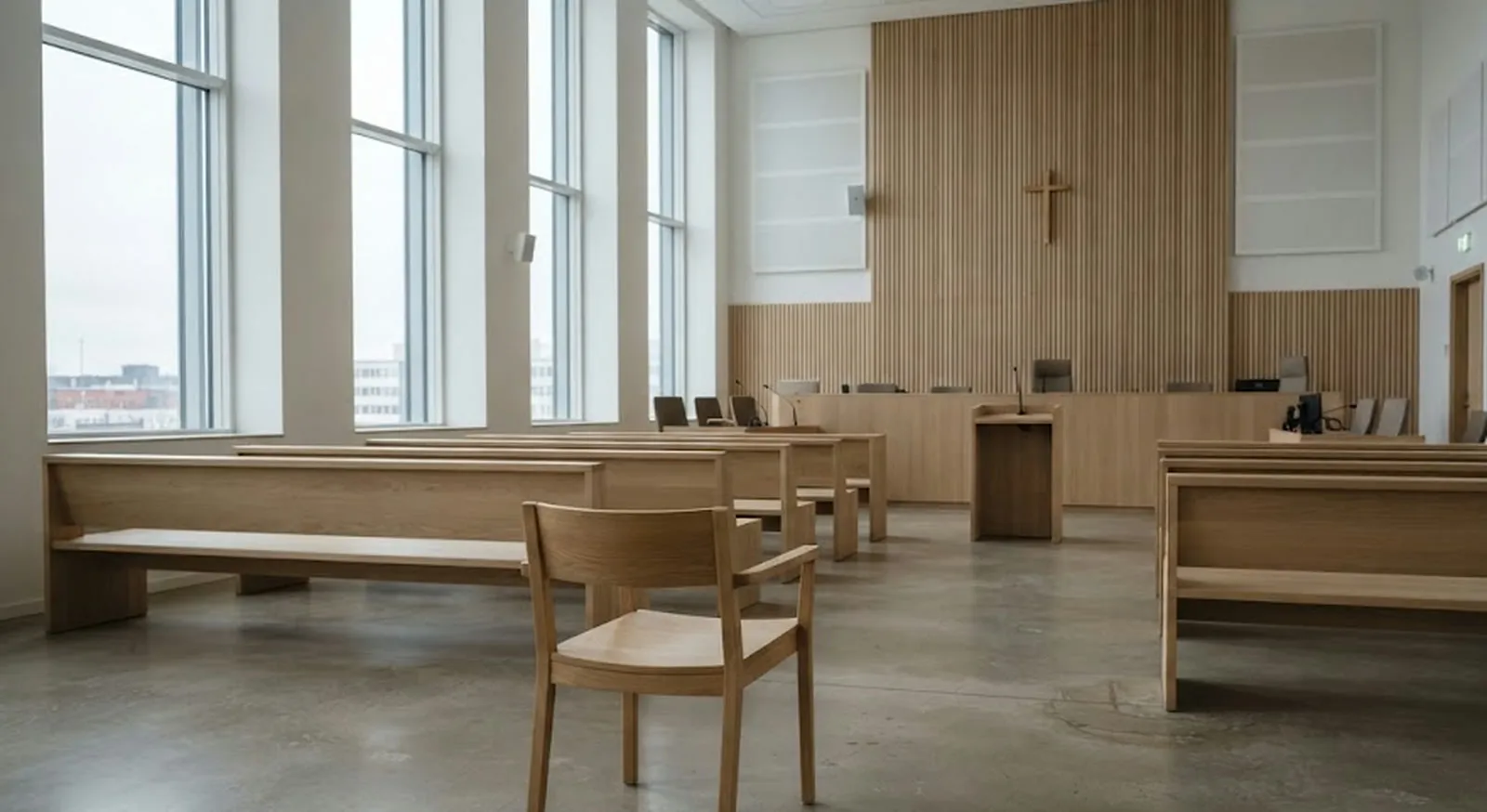
Twenty-four hours after the funeral of King Harald V, Norway's Court of Appeal issued a ruling that takes the entire case back to the beginning. The appeal by Marius Borg Høiby, son of Crown Princess Mette-Marit from a previous relationship, has been accepted in full. There will not be a partial review of the proceedings. There will be a new trial, from zero, lasting four weeks.
In June this year he was sentenced to four years in prison. The case covers two counts of rape and one count of violence against a partner. These are not charges anyone calls technical. The prosecution asked for the appeal to be dismissed and the sentence to stand as it was. The court decided otherwise, and decided too that the review would not be limited to checking procedural errors but would cover a full re-examination of the facts.
"As was expected, the appeal has been accepted in full," said Petar Sekulić, Høiby's lawyer. The sentence is short, but the way it was said tells more than the ruling itself. When the defence knows the outcome in advance, the question is not whether the court works, but who has the better read on how it works.
Høiby is not currently in prison. He is under house arrest with electronic monitoring, at the Skaugum estate, the residence of the crown prince and princess. Formally, that is a measure like any other. Practically, it is a man sentenced to four years waiting out the next four weeks of trial at an address where other convicted people do not live.
He holds no title, no place in the line of succession and no official role at court. That is the defence the Norwegian crown has used since the affair began - this is a private matter of a private man, not a matter for the institution. But the private man carries his mother's family name, lives on the royal estate, and his case led every Norwegian newspaper in the year the king died.
The ruling comes a day after the funeral. It is no accident that everyone notices - the monarchy is on the front pages two days running, and only one of those days was of its own choosing. The question left hanging over Oslo is simple: how many times can a trial be repeated before it stops being justice and becomes only waiting?
The latest 10 news from this category

Дали двајца луѓе на иста возраст можат да стареат со различна брзина? Научниците открија дека дел од одговорот можеби се...

Демократска Република Конго се соочува со најтешката епидемија на ебола во својата историја. Според најновите податоци од 27 октомври 2026...

Флавиу Болсонару, син на поранешниот бразилски претседател Жаир Болсонару, според медиумските информации, го напуштил Бразил по изборниот пораз, во време...

He didn't turn up for Sunday family lunch, and that evening he was found dead behind Villa Sauber. The palace...

Brazil's first-ever fourth term, and the first win for a candidate who came second in the first round. The Bolsonaro...
Henry VIII broke with Rome over one divorce. Five centuries later, Charles III and the Pope are exchanging honours -...

One joke about the gilding, then the serious message: while the powerful admire themselves in the mirror, voters pay the...

Over 400,000 people on the streets of France, Molotov cocktails in Tirana, water cannon in Rome, tear gas in Brussels....

One dead, five wounded, among them a 12-year-old girl. The attack came just days after parts of the far right...

France is shutting the metro and museums, Italy is counting arrests, and the government in Tirana is considering a blacklist...
This site uses cookies - is that okay? Learn more
Be the first to know when Metla launches something new
Leave your email and we will write when there is a new guide or something new on Metla.