


Studeničani: 35-year-old dies after being electrocuted while washing his car with a pressure washer
18.09.2026


18.09.2026
18.09.2026

18.09.2026
18.09.2026
18.09.2026
18.09.2026
18.09.2026

17.09.2026
16.09.2026
18.09.2026

18.09.2026

17.09.2026

18.09.2026
18.09.2026

18.09.2026

18.09.2026

17.09.2026

16.09.2026

18.09.2026

18.09.2026

18.09.2026

18.09.2026

17.09.2026

17.09.2026

09.03.2026

27.02.2026

19.02.2026
18.09.2026
17.09.2026
16.09.2026

23.04.2026

23.04.2026

12.04.2026

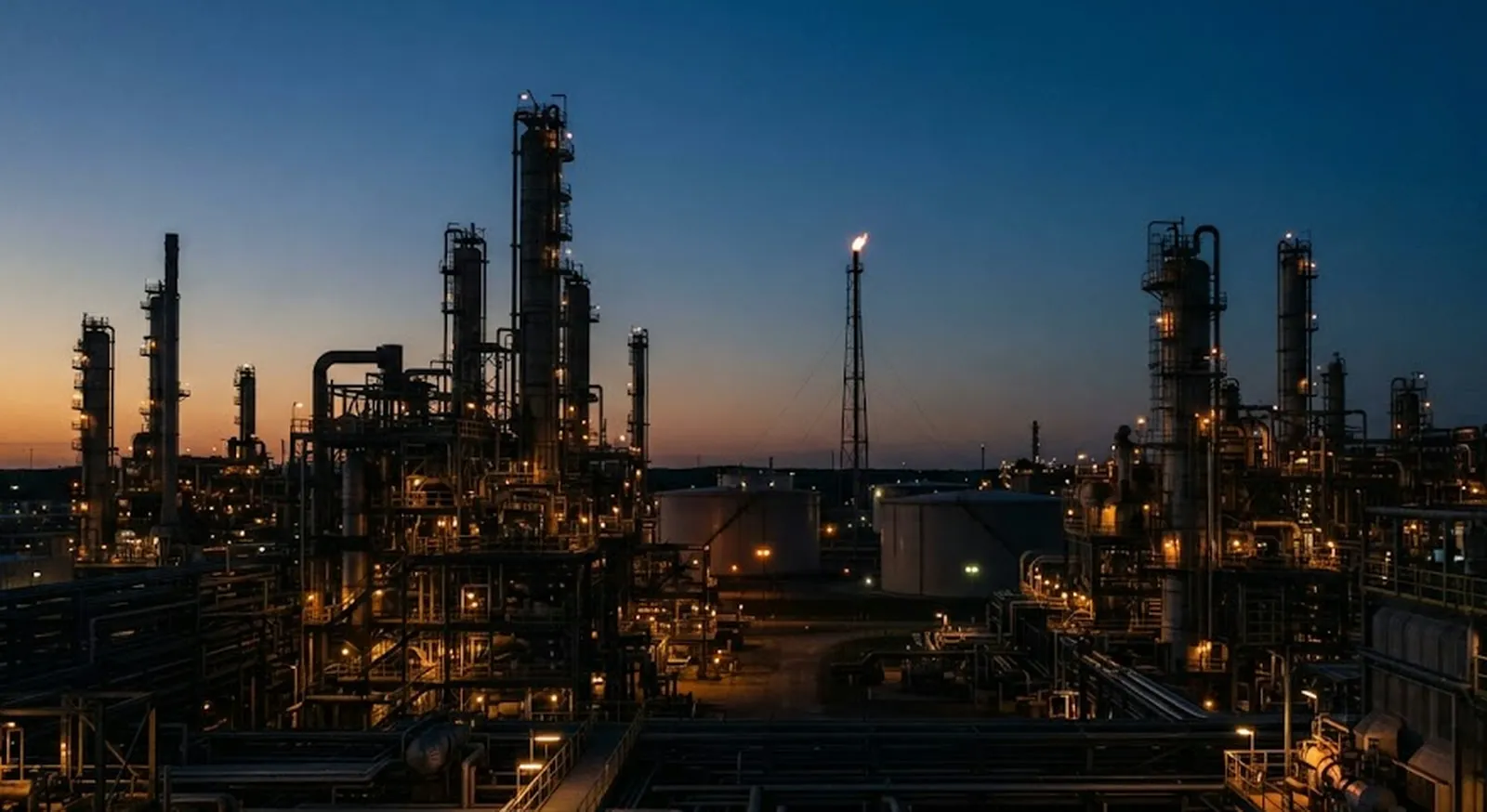
The Serbian oil company NIS has filed a new request with the American Office of Foreign Assets Control (OFAC) to extend its operating licence beyond 31 July. It is not a permit for a new investment. It is not a permit for expansion. It is a permit to keep existing.
The majority Russian-owned company needs that permit to keep operating and to secure crude oil supply for the refinery in Pančevo - via the Croatian JANAF pipeline.
One refinery, three jurisdictions
That sentence is worth reading again. The company is Russian. The refinery is Serbian. The pipeline is Croatian. And the decision gets made in Washington.
That is the entire geopolitics of the region compressed into one logistics chain. Whether there will be fuel in Pančevo is not settled in Belgrade or in Zagreb - it is settled by a signature at a desk across an ocean, every few months, again and again.
Sanctions that arrived through the owner
The United States imposed sanctions on the Russian energy sector in early 2025, and NIS fell under them because of its Russian ownership stake. The company did nothing - it simply has the wrong owner. And that was enough.
Since then, the attempts to change that owner have continued. Washington previously extended approval for Hungary's MOL to negotiate with Russia's Gazprom Neft over buying its majority stake. On 16 June the Serbian government signed a shareholder agreement with MOL on the future management of NIS - but only on condition that MOL actually purchases the 56.15 percent stake.
Serbia currently holds 29.9 percent of the shares, with small shareholders and employees on 13.98 percent. So the state does not even decide as an owner - it sits on less than a third and waits for two foreign parties to reach an agreement about its most important energy company.
Why this matters beyond Serbia
The whole region is built on chains exactly like this one - someone else's capital, someone else's infrastructure, someone else's permits. Today Pančevo is waiting for a signature. The Balkans have been learning the same lesson for decades: while somebody else holds the critical infrastructure, sovereignty ends where the licence begins.
The date is 31 July. By then we know whether the refinery runs or not. That is not a decision made by anyone who lives near it.
The latest 10 news from this category
The call was about damaged furniture on a terrace. Armin Dzutovic died three days later. The internal investigation found first...
Four KLA leaders received 81 years in prison, and Albania's parliament immediately adopted a declaration calling the verdict unjust. The...
The court established responsibility for 96 killed, 303 tortured and 385 unlawfully detained. The prosecution asked for 45 years. Serbia...
Thaci and Krasniqi got 25 years each, Veseli 18, Selimi 13. The court established 385 unlawfully detained, 303 tortured and...
"If it is acceptable to the participants" - that is the entire offer. What gets negotiated is the format, not...
Thousands walked from the Rectorate to the electoral commission, and the signatures had to be queued for all weekend because...
Thousands of people under a digital clock and a banner asking for them to be found innocent. On Wednesday The...
The ruling list sailed through without a single problem, the student list was left waiting in line. Nobody banned anything...
The same firm that supplied ammunition to Ukraine for years is burning for the second time in a month. Seven...
A third attempt in three years, but this time the signatures came from the government benches too. Six MPs from...
This site uses cookies - is that okay? Learn more
Be the first to know when Metla launches something new
Leave your email and we will write when there is a new guide or something new on Metla.
