Smugglers Dragged a Police Officer With Their Vehicle at Blace: the Second Car Is What Tells You This Wasn't an Accident
14.09.2026


14.09.2026
14.09.2026

14.09.2026

14.09.2026
13.09.2026

12.09.2026

14.09.2026

14.09.2026

13.09.2026

14.09.2026

14.09.2026

14.09.2026
14.09.2026
13.09.2026

12.09.2026
14.09.2026

14.09.2026

14.09.2026

14.09.2026

14.09.2026

13.09.2026

09.03.2026

27.02.2026

19.02.2026

23.04.2026

23.04.2026

12.04.2026

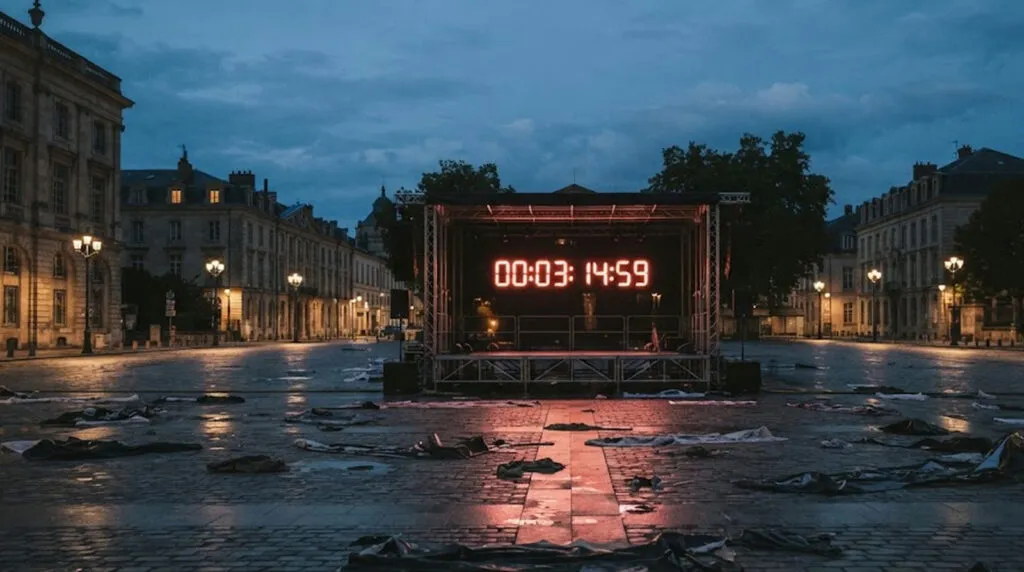
There is a digital clock in Pristina's main square, counting down. Not to New Year, not to the start of a concert - to a verdict in The Hague. Thousands gathered beneath it, with a banner reading: "In the name of the people, find them innocent".
On Wednesday, 16 September, the specialist chambers in The Hague deliver the first-instance verdict on former Kosovo president Hashim Thaci and three former KLA commanders - Kadri Veseli, Rexhep Selimi and Jakup Krasniqi. Prosecutors are seeking 45 years in prison for each of them. The charges are war crimes and crimes against humanity during the 1998-1999 war - killings, torture and persecution of civilians, among them Serbs, Roma and Albanians. All four reject the charges.
Thaci resigned the presidency in 2020 in order to defend himself, and has already said the only just outcome would be full acquittal. Albanian Prime Minister Edi Rama called for "freedom for the liberators" and described the proceedings as a farce in its final days.
Where the liberator ends and the defendant begins
Here is the knot the whole region knows by heart. For one side, these are the men who won the country. For the other, these are the men answerable for what happened while they were winning it. The court's job is to separate the two, and the square's job is to show that society does not want them separated.
The clock in the square is a clever move. A countdown is not neutral - it turns a legal process into an event with an expiry time, into something waited for collectively, like a final. And when a verdict is awaited together, refusing to accept it becomes collective too.
Why this is visible from here as well
Kosovo declared independence in 2008, with the backing of the United States and most EU countries. Serbia, backed by Russia and China, does not recognise it. Both sides want EU membership and both get the same answer: normalise relations first. Eighteen years later, normalisation is still homework nobody has handed in.
Every region that has been through a war has its day when a court somewhere outside it tells it what happened. That day rarely closes anything. More often it opens a new round of the same argument, only now with a verdict in hand. On Wednesday at ten o'clock we will know which version of the war gets the legal stamp - and how many people are prepared to ignore it.
The latest 10 news from this category
The ruling list sailed through without a single problem, the student list was left waiting in line. Nobody banned anything...
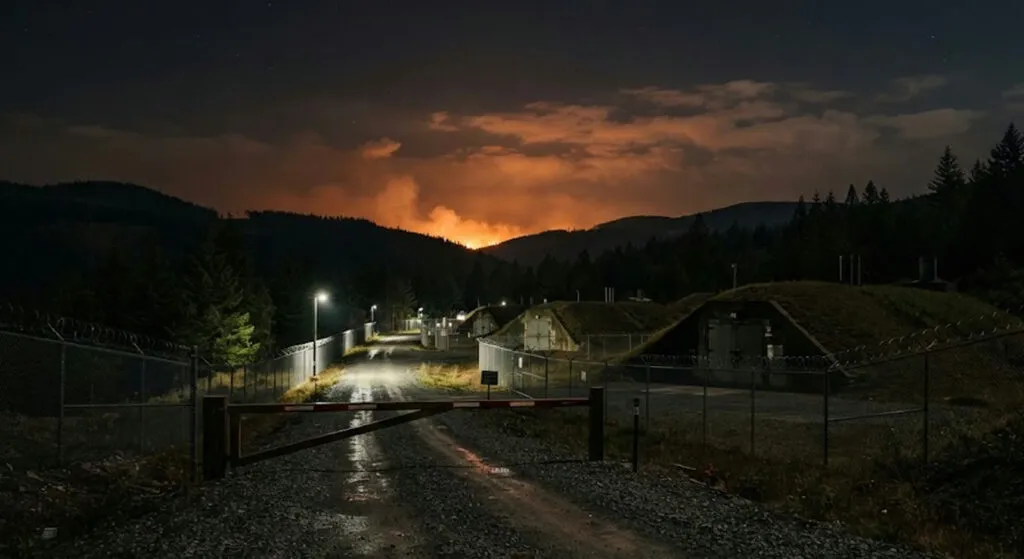
The same firm that supplied ammunition to Ukraine for years is burning for the second time in a month. Seven...
A third attempt in three years, but this time the signatures came from the government benches too. Six MPs from...
Four days before the Hague verdict, the square in Pristina told the court it should back down. Among the guests...

Nobody banned anything - the line item simply stopped paying for itself. That is the purest version of modern censorship,...

The stated reason is expensive production and weak commercial return. The timing is two months before an election. In Belgrade...

Zukan Helez asked the international community to withdraw its signature from the existence of Republika Srpska - then added that...
The government asked itself for elections, and packaged the reason as global instability. Serbia votes on 25 October - with...
Almost every German party condemned the Serbian government over the state send-off for Ratko Mladic. The one that did not...
The previous government recognised Palestine. The new one is opening an Israeli embassy. Between the two there is not a...
This site uses cookies - is that okay? Learn more
Be the first to know when Metla launches something new
Leave your email and we will write when there is a new guide or something new on Metla.