
КОЈ ЈА ПУШТИ АЛТА БАНКА ВО МАКЕДОНИЈА, КОЈ ТРЕБАШЕ ДА ЈА КОНТРОЛИРА И КОЈ ЌЕ ОДГОВАРА ЗА ПРОЦЕНКАТА НА РИЗИКОТ?
05.11.2026


05.11.2026
05.11.2026

05.11.2026

05.11.2026
05.11.2026

05.11.2026
05.11.2026

05.11.2026
04.11.2026

05.11.2026

05.11.2026

04.11.2026

05.11.2026

05.11.2026

05.11.2026

05.11.2026

04.11.2026

03.11.2026

05.11.2026

05.11.2026
05.11.2026
05.11.2026

05.11.2026

04.11.2026

05.11.2026

04.11.2026
03.11.2026

23.04.2026

23.04.2026

12.04.2026

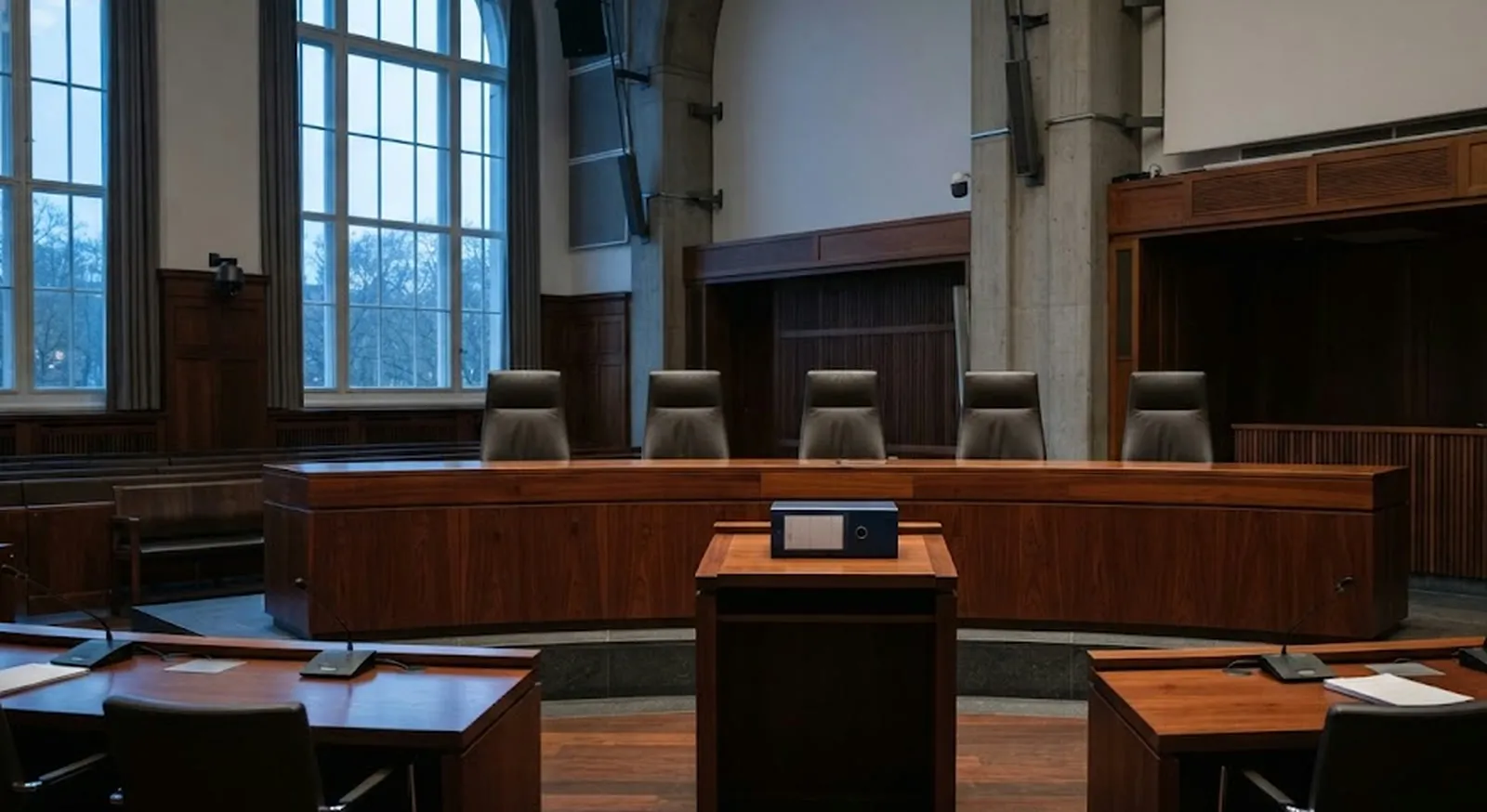
Hashim Thaci, the man who was a KLA commander, then prime minister, then president of Kosovo, has been given 25 years in prison in The Hague. The Kosovo Specialist Chambers found him guilty on four counts of war crimes: murder, torture, cruel treatment and arbitrary detention. Three other former KLA leaders were convicted alongside him - Jakup Krasniqi to 25 years, Kadri Veseli to 18 and Rexhep Selimi to 13.
The numbers in the verdict are what deserve a second reading. The trial panel established responsibility for the murder of 96 people, the torture of 303, the arbitrary arrest of 385 and the cruel treatment of a further 49. The victims were not only Serbs - they include Albanians who were marked as political opponents or as collaborators with Serbian forces. The prosecution sought 45 years for each of the four. The court handed down roughly half of that.
From the presidential office to a Hague cell - in six years
Thaci resigned almost six years ago, precisely so that he could appear before this court. That is a detail often overlooked: he was not arrested at a border or dragged out of a bunker. He left office himself and went to The Hague. Whether that helped him before the judges is hard to say. Twenty-five years does not look like a discount.
Belgrade reads the same document differently
The reactions from Serbia arrived that same evening and were fascinatingly double-edged. Interior minister Ivica Dacic called the verdict a "clear but belated confirmation" of Serbian suffering in Kosovo - and in the same breath criticised the court for rejecting the counts of crimes against humanity, which he called a "political manoeuvre". In other words: the verdict is accurate when it suits us and political when it does not.
President Aleksandar Vucic went further. According to him, the court did not deal with the KLA's aim, and the verdict left out the killings, kidnappings and disappearances after the war ended. His line was that regardless of verdicts, Serbs will always be criminals and everyone else liberators and heroes. A man who experiences a 25-year sentence for Kosovo's former president as proof that his own side is the victim - that is a rhetorical skill the Balkans have seen far too often.
And from Washington - that the court should never have judged at all
The loudest defence of Thaci came not from Pristina but from Richard Grenell, Donald Trump's special envoy and a former mediator in the Serbia-Kosovo talks. He called the verdict "scandalous", referred to the judges and the American prosecutor as "leftist lunatics", and demanded that funding for such courts be cut off immediately, with intervention from the US Department of Justice.
So: a court set up at the West's request, funded by the West, with Western judges, delivers a verdict - and an envoy of the American president demands that court be defunded because he did not like the verdict. If anyone in the Balkans still believes international justice is separate from politics, that sentence is a good place to stop.
Why this still concerns us 25 years on
The verdict concerns a war that ended in 1999. The men convicted were in their thirties then and are under sixty now. Witnesses have aged, some have died, documents have yellowed. The court nonetheless arrived at figures: 96 killed, 303 tortured, 385 unlawfully detained. For the families of those people, this is the first time an institution has said what happened.
In Pristina the verdict triggered mass protests - for a large part of Kosovo's Albanians, Thaci is not a war criminal but the founder of a state. In Belgrade the same verdict reads as insufficient. Both sides are certain the court did them an injustice. That is a fairly accurate description of where we are, twenty-seven years after the war: everyone has their own version, and the only thing held in common is distrust of the institution that ruled.
The latest 10 news from this category
For a whole year the Interior Ministry insisted there had been no abuse in the government garage. Then SNS lost...
Ten days after losing the election, Vučić warns Serbia with the Macedonian example: applause from Brussels, a changed name, and...
"Colleagues, have you come for me?" The former minister insists he is clean, and the question of whether someone opened...

Marko Kričak was arrested a week after Vučić lost the elections, although the investigation, the prosecutor says, began back in...

The canopy killed 16 people and set off an avalanche that brought down Vučić's rule. The students have a 1,200-page...

On Saturday the National Bank said Alta Bitola was a separate entity, on Sunday it imposed temporary administration. A Serbian...

Before the elections: "against sanctions". After the elections: "the citizens will decide". The EU commissioner says membership is hardly possible...

For years the students were missing from the public broadcaster's screen. Now RTS apologizes "for everything left out" - exactly...
Republika Srpska paid lobbyists close to Trump, and the finally convicted Dodik is now reportedly going to a gala in...
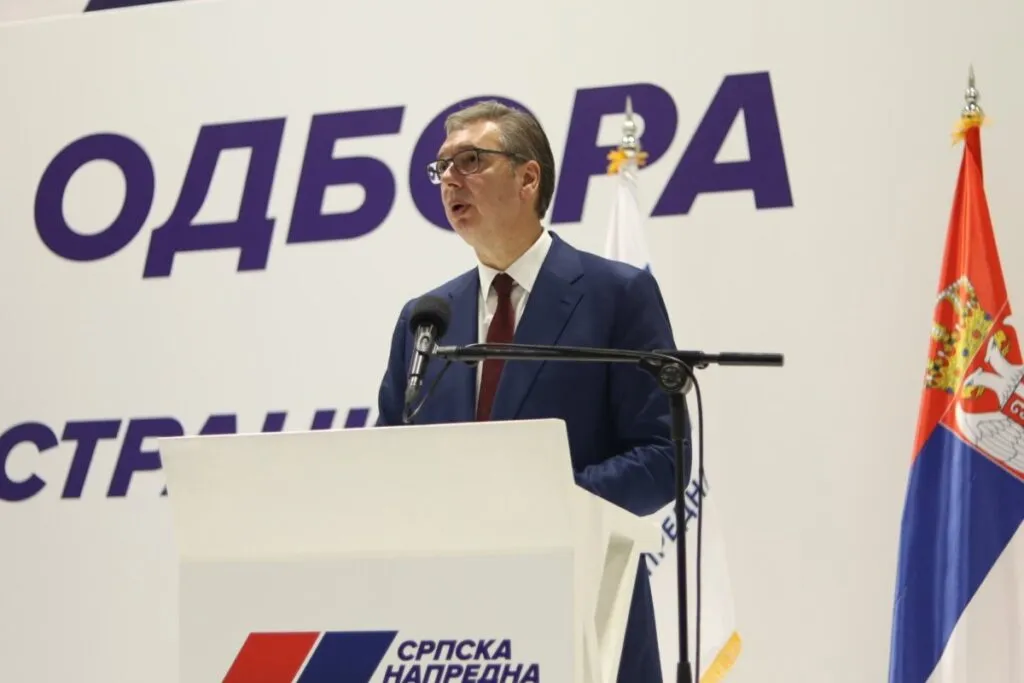
Before the party he admits to "arrogance and hubris," and later in the same speech he calls the new government...
This site uses cookies - is that okay? Learn more
Be the first to know when Metla launches something new
Leave your email and we'll write to you when there's a new guide or something new on Metla.