

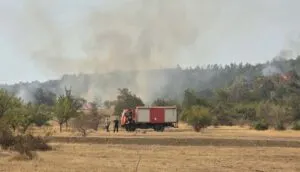
The smoke over Skopje is coming from Kosovo: for the first time our helicopter is fighting a fire outside the country
04.09.2026


04.09.2026

04.09.2026

04.09.2026
04.09.2026
04.09.2026
04.09.2026

04.09.2026
03.09.2026
02.09.2026

04.09.2026
04.09.2026

03.09.2026

04.09.2026

04.09.2026

04.09.2026

04.09.2026

03.09.2026

02.09.2026
04.09.2026

04.09.2026

04.09.2026

04.09.2026
03.09.2026
02.09.2026

09.03.2026

27.02.2026

19.02.2026

04.09.2026

03.09.2026
02.09.2026

23.04.2026

23.04.2026

12.04.2026
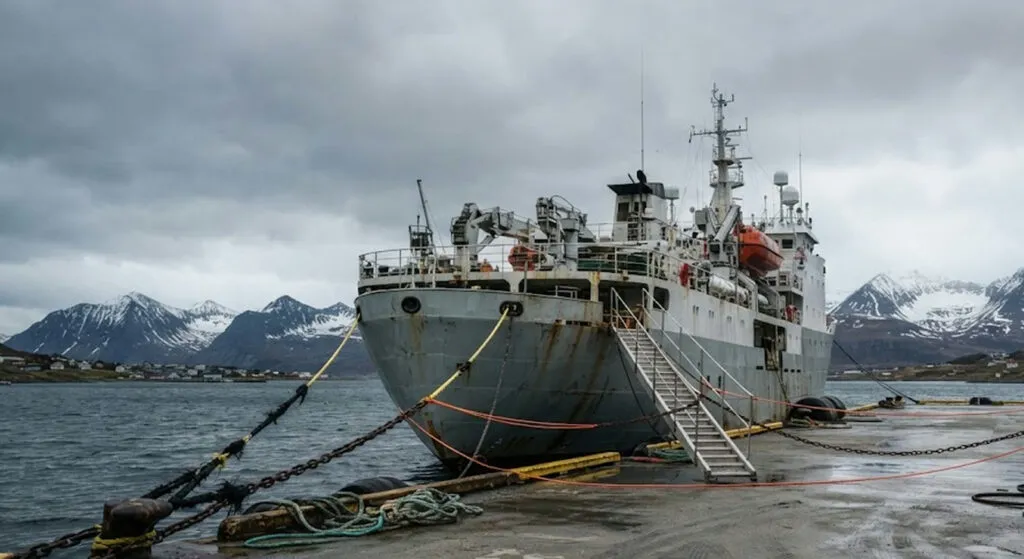
The Norwegian authorities have seized a Russian ship. Not over espionage, not over sanctions, not over an incident at sea - but over an unpaid debt. Ukraine's Naftogaz has been demanding 4.22 billion dollars from Russia for years, as compensation for property taken during the annexation of Crimea in 2014. Russia does not pay. Norway took a ship.
Vladimir Putin called it "state terrorism" and said such moves make peace talks harder. A formulation worth reading twice: the country that took an entire province considers the taking of one ship to be terrorism.
The decision is not Norwegian, it is from The Hague
The basis for all of this is a 2023 arbitration ruling in The Hague obliging Russia to pay 3.64 billion euros plus interest and legal costs. With accumulated interest the sum is stated today as 4.22 billion dollars. Naftogaz has announced it will keep hunting for Russian assets across the world until the debt is collected in full, and enforcement proceedings are already running in the US, France, Britain and Finland.
This is a different kind of pressure from the one we are used to. Sanctions are political - they are imposed, lifted, circumvented. Enforcing an arbitration ruling is technical. It does not need the Kremlin's consent, it does not wait for a resolution, it is not negotiated. Somebody just has to find assets in a country that recognises the ruling.
Why this is more interesting than another sanctions package
Because it demonstrates something that until now was theoretical: that state property is not untouchable if there is a final ruling and a state prepared to enforce it. That is a mechanism which will keep being used, and not only against Russia.
And in the Balkans that sentence deserves a careful reading. The region is full of unfinished property disputes - from the succession of Yugoslav assets, through nationalised factories, to arbitrations with foreign investors that have dragged on for decades. Until now the standard defence was simple: the ruling exists, but nobody has a mechanism to collect on it.
Norway has just shown that the mechanism exists. Somebody only has to use it.
The question is how many states in the region have assets abroad today that somebody is already looking at on some list. And whether anybody is even keeping that record - or whether we will find out when the first announcement appears that something of ours has been seized over a ruling handed down fifteen years ago.
The latest 10 news from this category
An attempted drone attack in Leipzig, a ballistic missile test hours later, sabotage in Poland and Denmark. The Balkans knows...
One day more than Berlusconi's second government. But its two most ambitious reforms failed - which means longevity and success...
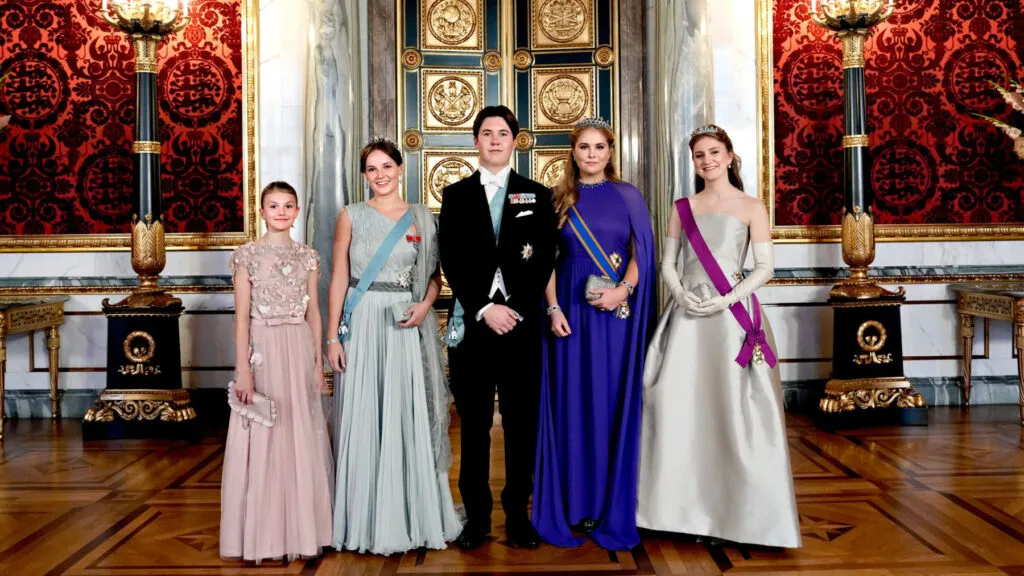
Ingrid, Amalia, Christian, Elisabeth and Estelle will stand together in Oslo. Not one of them reigns yet, and all of...
A small country paid 70 million for ammunition from a firm that had never sold a weapon. The minister resigned...
The officer said he was attacked. His own body camera showed otherwise. He is charged with murder, and one recording...
A short circuit near Cologne, downed power lines near Berlin. The German minister says sabotage and rules nothing out. And...
Queen Mette-Marit's son has been convicted on 34 counts and has been in custody since February. Instead of seeking release,...
Three drones at one airport, a hit substation in Brandenburg and two states that already know who is guilty. Only...
When Moscow wants to prove why it does not want a ceasefire, it reaches for our nineties. The Balkans is...
Pashinyan announced an EU membership bid and five years away from the CSTO. The Kremlin responded calmly - and that...
This site uses cookies - is that okay? Learn more
Be the first to know when Metla launches something new
Leave your email and we will write when there is a new guide or something new on Metla.
