

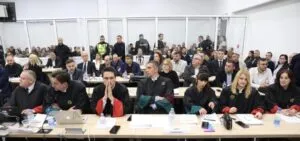
Experts on the Puls fire: the ceiling foam released cyanide as it burned, and the inspector could and should have shut the place down
02.09.2026


02.09.2026

02.09.2026
02.09.2026
02.09.2026
02.09.2026
02.09.2026

02.09.2026

01.09.2026

31.08.2026

02.09.2026

02.09.2026

01.09.2026

02.09.2026

02.09.2026

02.09.2026

02.09.2026

01.09.2026

31.08.2026

02.09.2026

02.09.2026

02.09.2026

02.09.2026
01.09.2026
31.08.2026

09.03.2026

27.02.2026

19.02.2026

02.09.2026

01.09.2026

01.09.2026

23.04.2026

23.04.2026

12.04.2026
Germany stayed silent for four weeks, then spoke all at once and loudly. Berlin is closing the Russian consulate in Bonn and the Russian House in the capital, announcing new sanctions and saying the investigation into the drones at Leipzig/Halle airport is nearly complete. Moscow answered within two hours: fabrication, provocation, not a single piece of evidence. Which of the two is lying, the reader cannot check for now. And that is the entire point of this type of conflict.
The event that lit the story happened on the evening of 4 August. At Leipzig/Halle, one of Europe's largest cargo and logistics hubs, a drone carrying an explosive device and a detonator was found in the immediate vicinity of a Ukrainian transport aircraft. The explosive did not go off. That same night a cargo plane collided with a smaller unidentified flying object. Ten days or so later another drone was found, with traces of explosive. Three separate incidents in the same place, in the same month.
Germany says: a hybrid attack
German Interior Minister Alexander Dobrindt described the case as a "hybrid attack scenario" and left open the possibility that foreign powers are behind it. Chancellor Friedrich Merz then said the investigation was nearly finished, and German media report that Berlin is preparing to name Russia as responsible. The response, according to Foreign Minister Johann Wadephul, will be coordinated with European and NATO partners.
So: the consulate in Bonn is closing, the agreement on the Russian House in Berlin is being revoked, sanctions are on the table. All of it before any publicly released evidence. Measure first, document later - a sequence the Balkans knows well.
Russia says: the whole thing is a script
Russian Foreign Ministry spokeswoman Maria Zakharova was brief: the accusations of Russian involvement in the attack at Leipzig airport are, as she put it, "absolutely fabricated." Moscow also announced its own reciprocal measures against Berlin.
In parallel, a Russian military expert offered a completely inverted version: that this was an operation by German intelligence, carried out with Ukrainian special forces, designed to discredit Russia, speed up deliveries of heavy weapons to Kyiv and tighten the noose around Russian firms and citizens in Germany. His main argument is the absence of damage - if someone had really wanted to destroy transport aircraft, they would have. The drones, he claims, did not come from outside at all but were assembled on site, and the Russian materials in them were left deliberately, to provide a "Russian trail."
The two versions cannot be compared - and that is exactly the effect
One side has published no evidence. The other has nothing but a theory built on what did not happen. Neither position can be verified from the outside. And while they last, they do their job: Berlin gets grounds for sanctions, Moscow gets grounds to call itself the victim of a set-up.
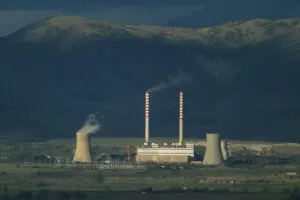
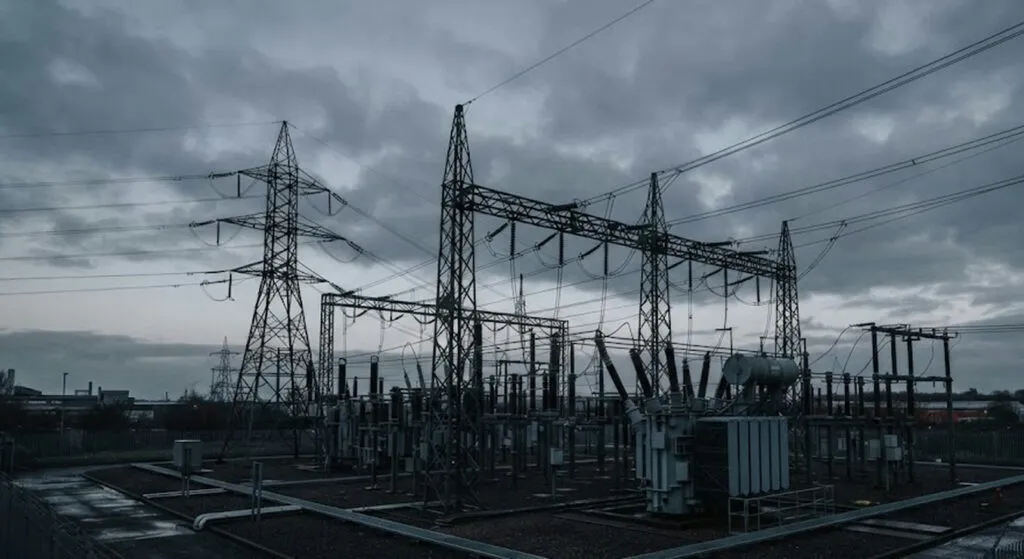
There is a second event that has been folded into the same story, and it is worth separating. The substation at the Jaenschwalde power plant in Brandenburg was hit repeatedly with improvised rocket devices packed with explosives. Police found several more such devices at the scene and neutralised them. Grid operator 50Hertz confirmed a brief interruption on one transmission line, but the supply was stabilised and all lines were restored. Nobody was injured, which the plant operator also confirmed. The Brandenburg state criminal police have taken over the investigation.
The target, according to first reports, was the electricity grid - meaning a major power cut. It did not happen. But the fact that someone can fire homemade devices at a substation next to the province's largest lignite power plant, and then calmly walk away, says more about the state of Europe's critical infrastructure than any statement out of Berlin or Moscow.
Why this concerns us
Because the pattern is recognisable. An incident with no signature, two states that immediately know who is guilty, measures before evidence, and a public invited to pick a side based on who it trusts more. The Balkans knows this scene by heart - and knows how long it can run.
Germany has entered a phase in which every drone over an airport, every damaged power line and every cable on the seabed becomes a diplomatic event. The question left open is not who put the drones at Leipzig. The question is whether the evidence will be published at all - or whether the measures will remain the only thing the public ever sees.
The latest 10 news from this category
When Moscow wants to prove why it does not want a ceasefire, it reaches for our nineties. The Balkans is...

Pashinyan announced an EU membership bid and five years away from the CSTO. The Kremlin responded calmly - and that...
Football matches cancelled, trams stopped, hotels requisitioned. Operation K was drawn up in 1991 and nobody hoped to use it.

Every day of war is a step backwards for humanity, Modi said. That same day India carried on filling the...

Ankara has held this role twice already, and twice it ended without a lasting deal. Still, when every other channel...
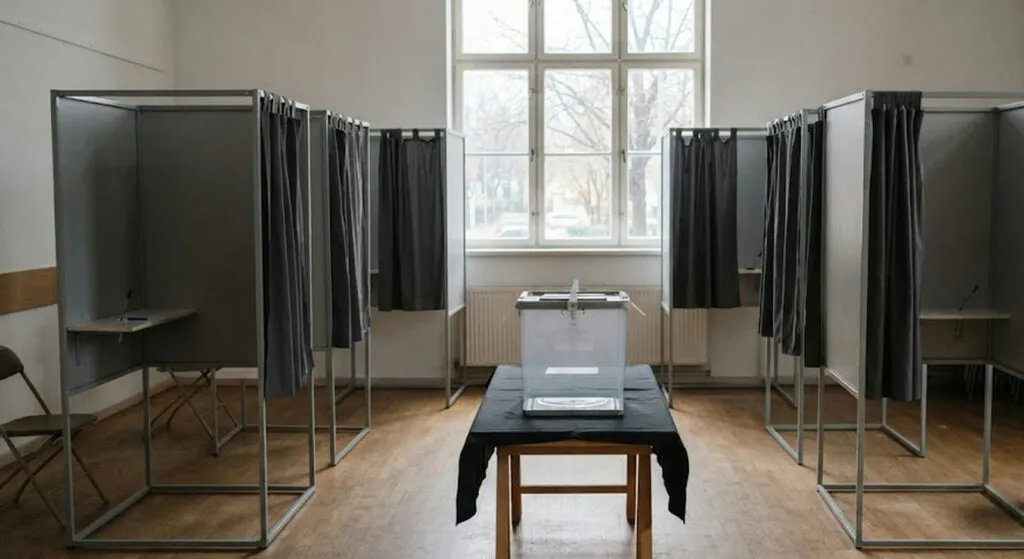
Merkel called on Germans to fight for democracy a week before an election the AfD is leading comfortably. The most...

Four years in prison and two rape convictions did not remove him from the procession carrying Harald V's coffin. The...

At least eight dead, 249 rescued, the vessel at 514 metres depth. The captain and seven crew members are under...
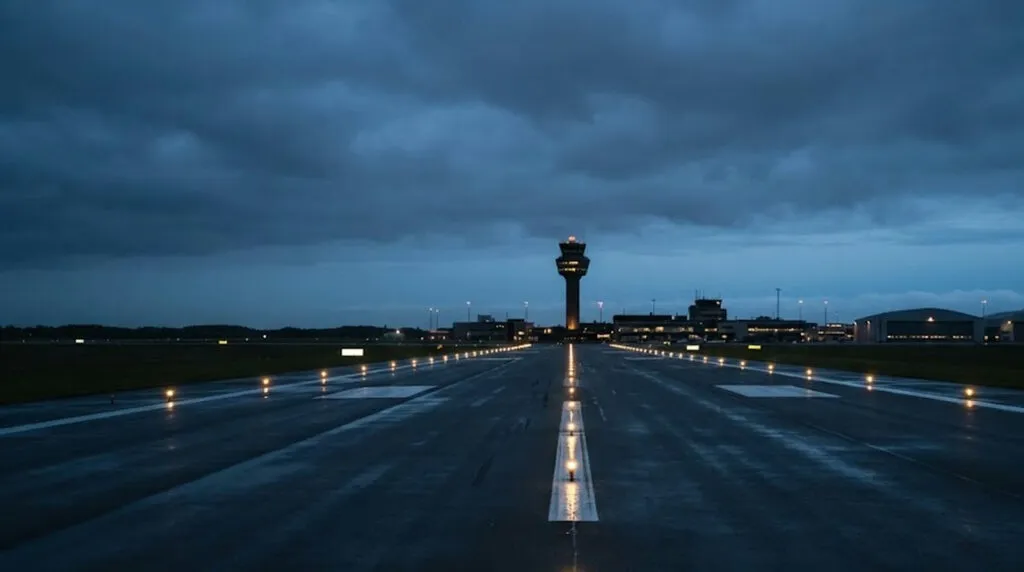
Merz promised measures "in the coming days" and confirmed the partners already know what is coming. The response is German...
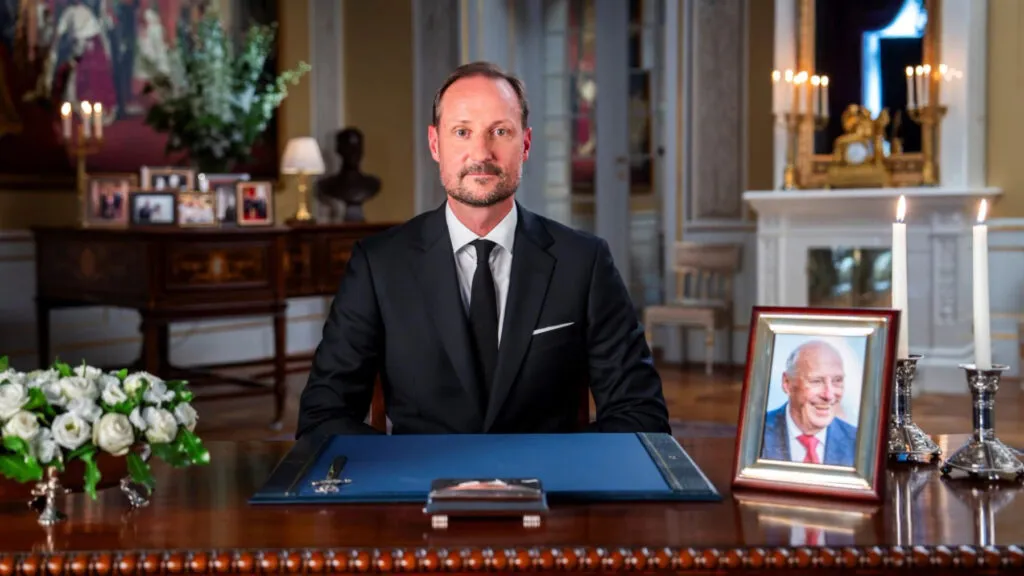
A day after Harald V died, the new king sat down in front of a camera with a photograph of...
This site uses cookies - is that okay? Learn more
Be the first to know when Metla launches something new
Leave your email and we will write when there is a new guide or something new on Metla.
