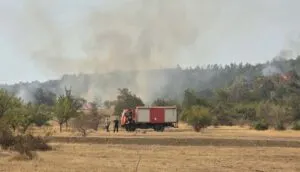
The smoke over Skopje is coming from Kosovo: for the first time our helicopter is fighting a fire outside the country
04.09.2026


04.09.2026

04.09.2026

04.09.2026
04.09.2026
04.09.2026
04.09.2026

04.09.2026
03.09.2026

02.09.2026

04.09.2026
04.09.2026

03.09.2026

04.09.2026

04.09.2026

04.09.2026

04.09.2026

03.09.2026

02.09.2026

04.09.2026

04.09.2026

04.09.2026

04.09.2026
03.09.2026
02.09.2026

09.03.2026

27.02.2026

19.02.2026

04.09.2026

03.09.2026

02.09.2026

23.04.2026

23.04.2026

12.04.2026
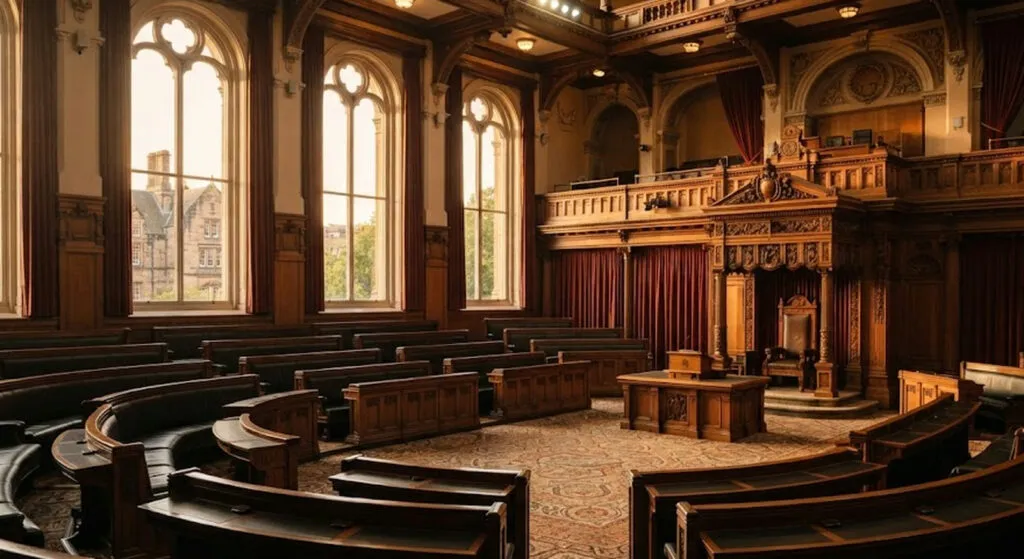
Giorgia Meloni's government reaches 1,413 days in power tomorrow. That makes it the longest-serving government in Italian history, one day more than Silvio Berlusconi's second government, which lasted 1,412 days from June 2001 to April 2005. Back in May the Italian government was second on that list. Tomorrow it is first.
In a country where the average lifespan of a government is measured in months rather than terms, four years of unbroken rule is a statistical anomaly. Italy has changed dozens of governments since the Second World War. This is the first time anyone has lasted that whole stretch without their own coalition falling apart.
The numbers they are boasting about
The Brothers of Italy party is preparing a rally in Bari for 4 September, and the list of results is already packed: an employment rate of 63.2 percent, unemployment at 5.8 percent, more than 21 billion euros in tax cuts, exports up 2.7 percent over 2022-2025 and past the 643 billion euro mark, and the spread between Italian and German bond yields down below 80 basis points.
That last figure is more interesting than all the others put together. The yield spread is the price the market charges for risk - the smaller it is, the less investors fear that something will fall apart. Italy paid a premium for decades precisely because of political instability.
What is not on the list
Anniversary press releases as a rule leave out the defeats. The judicial reform fell at a referendum in March. The constitutional reform that was meant to change how the prime minister is chosen did not pass. So the two most ambitious projects of this government did not go through - and the record still stands.
That is the point worth pulling out. Longevity and success are not the same thing. Meloni's government survived not because it achieved all its goals, but because it did not collapse - which in Italian conditions is a skill in its own right.
Here governments usually see out their terms, so longevity surprises nobody. But the question that is rarely asked is the same one as in Rome - what has actually been built once you clear away the press releases about success? Stability is a condition for work, not a substitute for it.
Meloni gets the record, that is beyond dispute. Whether she also gets a legacy is an entirely different question, and a rally in Bari will not answer it.
The latest 10 news from this category

An attempted drone attack in Leipzig, a ballistic missile test hours later, sabotage in Poland and Denmark. The Balkans knows...
Not sanctions, but collection on an arbitration ruling. The mechanism has just shown that it works - and the Balkans...
Ingrid, Amalia, Christian, Elisabeth and Estelle will stand together in Oslo. Not one of them reigns yet, and all of...
A small country paid 70 million for ammunition from a firm that had never sold a weapon. The minister resigned...

The officer said he was attacked. His own body camera showed otherwise. He is charged with murder, and one recording...
A short circuit near Cologne, downed power lines near Berlin. The German minister says sabotage and rules nothing out. And...
Queen Mette-Marit's son has been convicted on 34 counts and has been in custody since February. Instead of seeking release,...
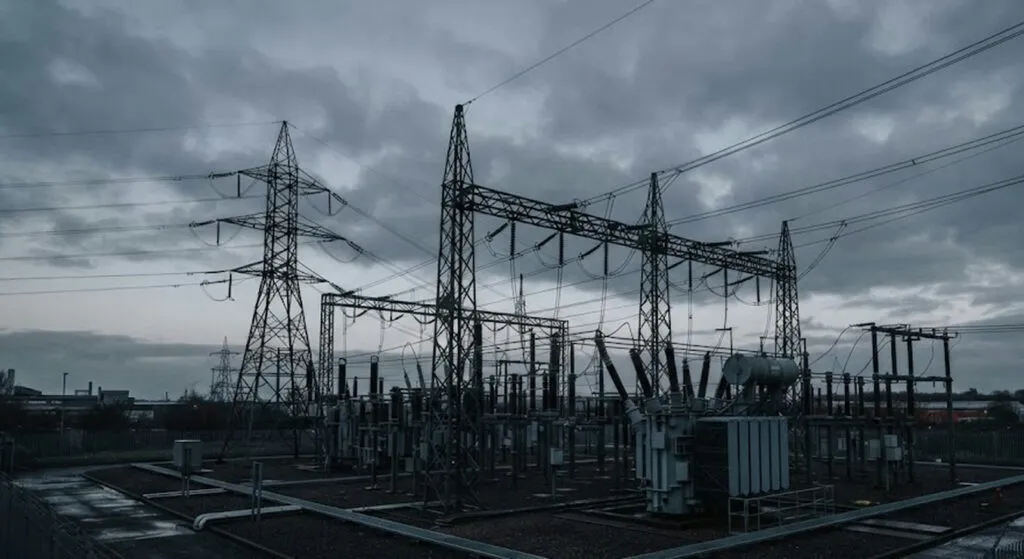
Three drones at one airport, a hit substation in Brandenburg and two states that already know who is guilty. Only...
When Moscow wants to prove why it does not want a ceasefire, it reaches for our nineties. The Balkans is...
Pashinyan announced an EU membership bid and five years away from the CSTO. The Kremlin responded calmly - and that...
This site uses cookies - is that okay? Learn more
Be the first to know when Metla launches something new
Leave your email and we will write when there is a new guide or something new on Metla.