

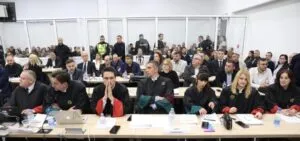
Experts on the Puls fire: the ceiling foam released cyanide as it burned, and the inspector could and should have shut the place down
02.09.2026


02.09.2026
02.09.2026
02.09.2026
02.09.2026
02.09.2026
02.09.2026

02.09.2026
01.09.2026

31.08.2026

02.09.2026

02.09.2026

01.09.2026

02.09.2026

02.09.2026
02.09.2026

02.09.2026

01.09.2026

31.08.2026

02.09.2026

02.09.2026

02.09.2026

02.09.2026
01.09.2026
31.08.2026

09.03.2026

27.02.2026

19.02.2026
02.09.2026

01.09.2026

01.09.2026

23.04.2026

23.04.2026

12.04.2026
When Moscow wants to explain why it does not want a ceasefire, it does not reach for Afghanistan, nor for Korea. It reaches for us.
Valentina Matviyenko, speaker of Russia's Federation Council, explained the Russian position on negotiations with Ukraine through a single sentence: "Do you remember the Federal Republic of Yugoslavia?" And then the condition - Russia will accept peace talks only if what is on the table is a secure peace plan, one under which nothing similar ever comes out of Ukraine again, so that it never becomes an "anti-Russia" and never serves as a tool with which the West tries to inflict a geopolitical defeat on Moscow.
The Balkans as an argument, not as a subject
Notice what happened there. Yugoslavia was not mentioned as history, nor as a victim, nor as something owed an explanation. It was mentioned as a warning - as evidence in a Russian argument that a temporary ceasefire is a trap. Our entire nineties, with everything they carried, compressed into one subordinate clause in a speech about Ukraine.
Matviyenko maintains that Moscow will not accept a ceasefire that would serve only as a pause for rebuilding the Ukrainian army, that any agreement must be lasting and come with guarantees, and that Russia will continue with the goals it set at the outset. She also accused Ukrainian media of not showing their own public the real situation at the front.
Both sides use the same region
This is not a Russian speciality. For decades the Balkans has been used as a rhetorical reserve in other people's arguments - for intervention and against intervention, for borders and against borders, for negotiations and against negotiations. Anyone wanting to prove something large and abstract finds a ready-made example here and takes it without asking.
What rarely happens is for one of those using the image to ask what it looked like from the other side. Thirty years on, Yugoslavia is still more comfortable as an argument than as a real place with people still living with the consequences.
Which is why the least interesting part of this statement is the part about Ukraine. The interesting part is how easily someone's past turns into someone else's bargaining chip - and how little of that depends on us.
Did anyone ever ask whether we want to be somebody's lesson?
The latest 10 news from this category
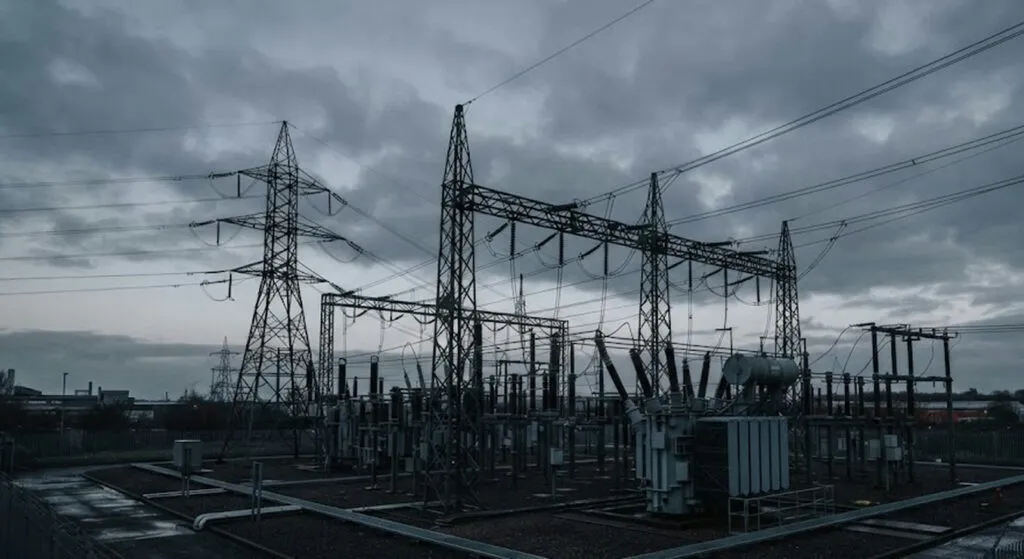
Three drones at one airport, a hit substation in Brandenburg and two states that already know who is guilty. Only...
Pashinyan announced an EU membership bid and five years away from the CSTO. The Kremlin responded calmly - and that...
Football matches cancelled, trams stopped, hotels requisitioned. Operation K was drawn up in 1991 and nobody hoped to use it.
Every day of war is a step backwards for humanity, Modi said. That same day India carried on filling the...

Ankara has held this role twice already, and twice it ended without a lasting deal. Still, when every other channel...
Merkel called on Germans to fight for democracy a week before an election the AfD is leading comfortably. The most...
Four years in prison and two rape convictions did not remove him from the procession carrying Harald V's coffin. The...
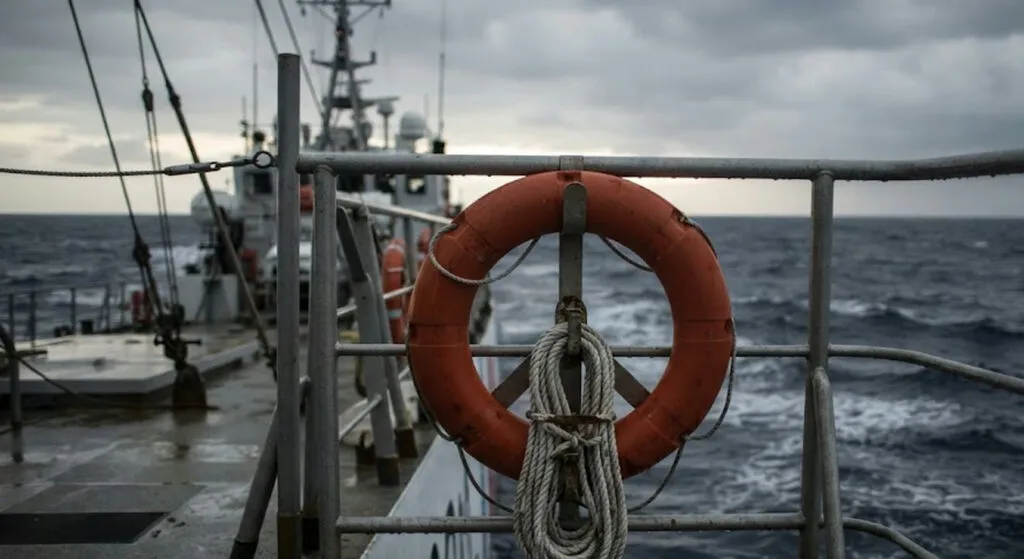
At least eight dead, 249 rescued, the vessel at 514 metres depth. The captain and seven crew members are under...

Merz promised measures "in the coming days" and confirmed the partners already know what is coming. The response is German...
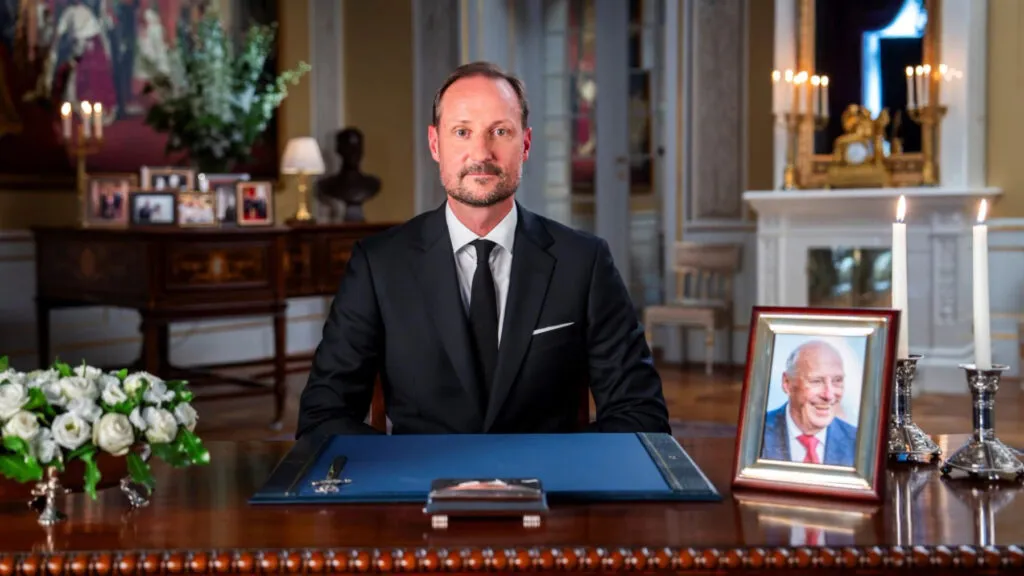
A day after Harald V died, the new king sat down in front of a camera with a photograph of...
This site uses cookies - is that okay? Learn more
Be the first to know when Metla launches something new
Leave your email and we will write when there is a new guide or something new on Metla.
