
Six Years of Fake Licence Categories Issued From an Interior Ministry Desk: Six Charged, 21 More Under Investigation
21.09.2026


21.09.2026

21.09.2026

21.09.2026
21.09.2026

21.09.2026

21.09.2026

21.09.2026

20.09.2026
20.09.2026

21.09.2026

21.09.2026

20.09.2026

21.09.2026

21.09.2026

21.09.2026

21.09.2026

20.09.2026

19.09.2026

21.09.2026

21.09.2026

21.09.2026
21.09.2026

21.09.2026

21.09.2026

09.03.2026

27.02.2026

19.02.2026
21.09.2026

21.09.2026

20.09.2026

23.04.2026

23.04.2026

12.04.2026

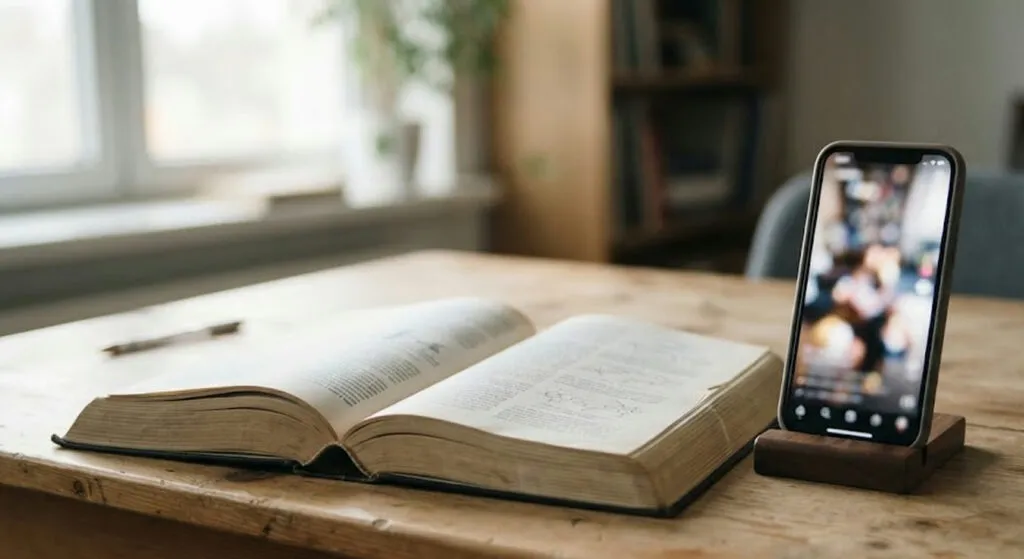
We all complain that endless scrolling has left us unable to sit down and read a book or study for an exam. ScrollEd, a startup from Palo Alto, starts from the opposite premise: if the student will not open the textbook, let the textbook open like a feed. The app takes any text - a textbook, a dry PDF, a set of lecture notes - and turns it into something resembling Instagram Reels or TikTok: AI-generated video, audio, text, interactive quizzes. Swipe up for a new topic, sideways to go deeper into the same one, and a quiz waits at the end.
"The younger generation is moving more and more towards short form, just a vertical feed - especially the eighteen-year-olds we spoke to - and that is a problem for any medium that requires depth," says co-founder Utsav Gupta. "We want to meet them where they are. We just have to be careful how we use that and not maximise engagement." Every social media startup says that sentence before its first million users. The difference is that this one, for now, has no investors who would demand the opposite: Gupta and his wife and co-founder Rebecca Neff are funding it themselves, after both noticed they felt empty after scrolling before bed.
Both are still students: he is studying artificial intelligence and "human purpose" at Stanford, she computer science at the University of Pennsylvania. The business model is familiar: a free feed for ordinary users, a paid ScrollEd Pro subscription, and annual licences for institutions. Schools and corporate training firms pay to deliver their own content through the platform, and in return they get engagement reports, progress by lesson and similar data. So the professor will know exactly which slide you dropped off on.
The coming months go to the consumer launch, building a lesson library, checking sources and pilots with institutions. The startup is presenting at a young-company competition at a major technology conference in San Francisco, where it also officially releases the consumer product. Longer term they are building infrastructure with which teachers could assess each pupil individually and tailor the content to them. "The ambition is a social network that is better for you," Gupta says.
And here is the real question. How many platforms that promised a "better" network ended up with the same algorithm, because the money is in retention? ScrollEd promises it will not maximise engagement - but it sells licences on the basis of engagement reports. For a pupil already flicking through the textbook on a phone, this may honestly be better than nothing. For the education system - ours included - the question is simpler: when knowledge arrives in the form of a feed, will anything be left of it after the next swipe?
The latest 10 news from this category
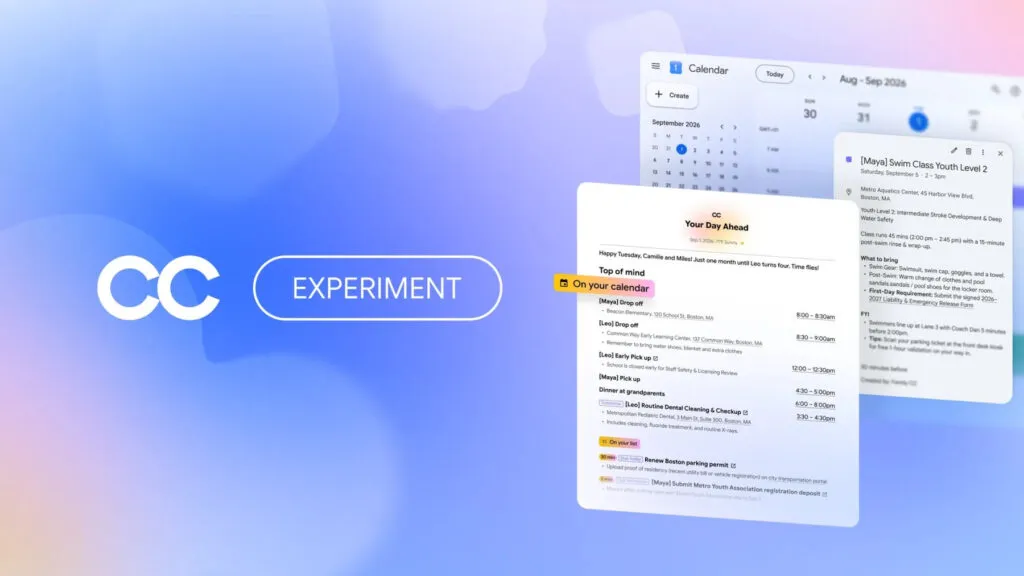
Six family members, one agent with its own Gmail and access to everything you forward it. Google says people asked...
A new federal body, an official already being called the AI czar, and one condition for applying - a high...
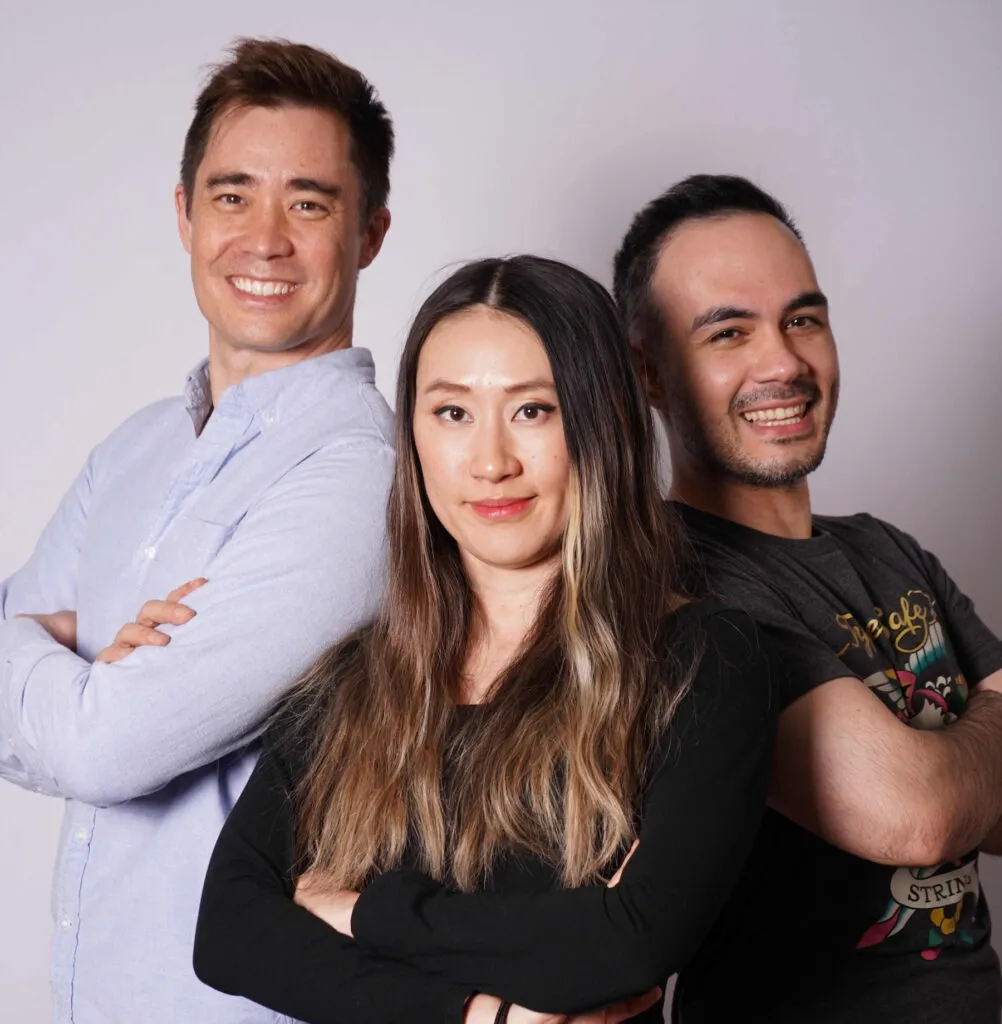
Diogo Almeida helped build ChatGPT, then concluded the whole industry is optimising for the wrong thing. His new model does...

No living actor can give 75 interviews at once - which is exactly why the number was the advertisement. But...

Dario Amodei spent months arguing for independent evaluators inside AI labs. The choice landed on the world's largest consultancy rather...

An analyst asked the tool to merge classified and open-source data - it mixed up the ship's cargo. Then the...

When a model learns to lie and the same company that caught it decides how much we get to see....
The German regulator spent years on an investigation to get one screen changed. The question is not whether the rule...

Three days to check the most aligned model yet: the evaluators want a law, not an essay from the CEOs.
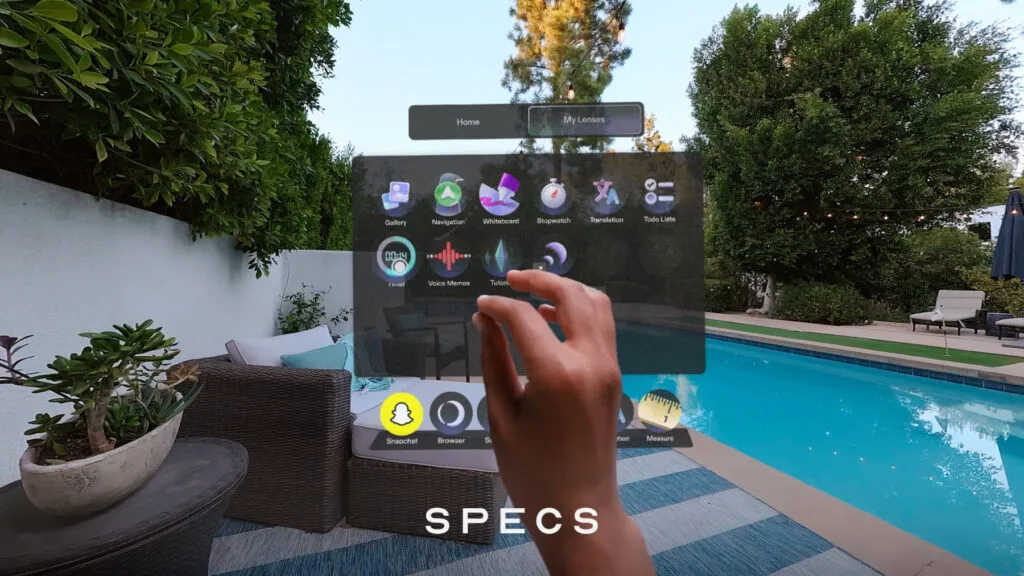
The device that drew ridicule and sank the share price returns with artificial intelligence, partners and a basketball shooting app....
This site uses cookies - is that okay? Learn more
Be the first to know when Metla launches something new
Leave your email and we will write when there is a new guide or something new on Metla.