

Fire by the railway in Prilep: residents watched black smoke over textile waste, "Komunalec" says - a small part, no danger
04.10.2026


04.10.2026
04.10.2026

04.10.2026

04.10.2026

04.10.2026

04.10.2026

04.10.2026

04.10.2026

04.10.2026

04.10.2026

04.10.2026
03.10.2026

04.10.2026

04.10.2026

04.10.2026

04.10.2026

03.10.2026

02.10.2026

04.10.2026

04.10.2026

04.10.2026
04.10.2026

04.10.2026
03.10.2026

09.03.2026

27.02.2026

19.02.2026

04.10.2026
04.10.2026
03.10.2026
04.10.2026

02.10.2026
22.08.2026

23.04.2026

23.04.2026

12.04.2026

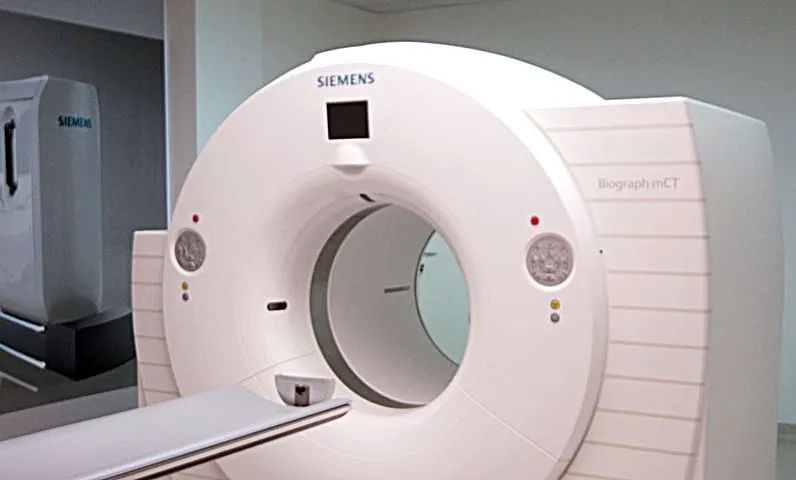
There is one machine in the entire country that can tell you whether a cancer has spread and whether the therapy is doing anything at all. One. And it has been out of order for months.
It is the PET/CT scanner at the University Institute for Positron Emission Tomography, the only public facility in the country specialised in this kind of imaging. The Institute confirmed the machine has a problem with radioisotope production and that the authorised service provider has been working on the fault. A date when the scanner will work again - there isn't one.
But the most striking part of the whole story isn't the breakdown. It is the admission that came from the Institute itself: in recent years the preventive maintenance protocol for the diffusion pump was not followed - cleaning it and changing the oil every five years. In other words, the machine didn't break down suddenly. It was left to break down.
Cancer patients are meanwhile paying around 1,300 euros to have the same scan done privately or abroad. One patient recounts that the scanner has been down for two to three months and that her doctor told her not to wait, because several more months would probably pass. Without the scan result, the doctor cannot assess whether the therapy has had any effect. This is diagnostics the next step of treatment depends on, not a cosmetic procedure that can wait until autumn.
The warning existed, only nobody read it
As far back as 8 May 2025 the State Audit Office found that the entire public health system depends on a single PET/CT scanner and a single cyclotron, worth 5.8 million euros in total. The auditors also identified weaknesses in continuous maintenance and in the timely recording of medical equipment faults. That same report recommended procuring a second scanner to increase availability - and pointed out that the space for one already exists.
The audit's figures show the scale of the pressure: between 2021 and 2023, 6,457 referrals were carried out, an average of around 180 scans a month. That is 180 people a month whose therapy depends on one machine, with no backup, in a country that knew this was the case.
Levica is demanding that the government and the Health Fund immediately provide full funding for scans in private facilities or abroad for patients with a medical indication, automatic reimbursement for those who have already paid out of pocket, urgent procurement of a second state machine, a publicly announced repair timeline, and an extraordinary inspection of the maintenance failures. An opposition party demanding oversight of medical equipment maintenance - that alone says how far this has gone.
The question that remains is simpler than all the press releases: who was responsible for tracking the pump's service deadline, who knew the deadline had passed, and who will answer for it? Maintaining a machine worth millions is not hidden science. It is a list of dates somebody was supposed to look at.
The audit warned more than a year ago. The machine has been broken for months. Patients are paying 1,300 euros each. So far the only thing that has arrived on time is the press releases.
The latest 10 news from this category
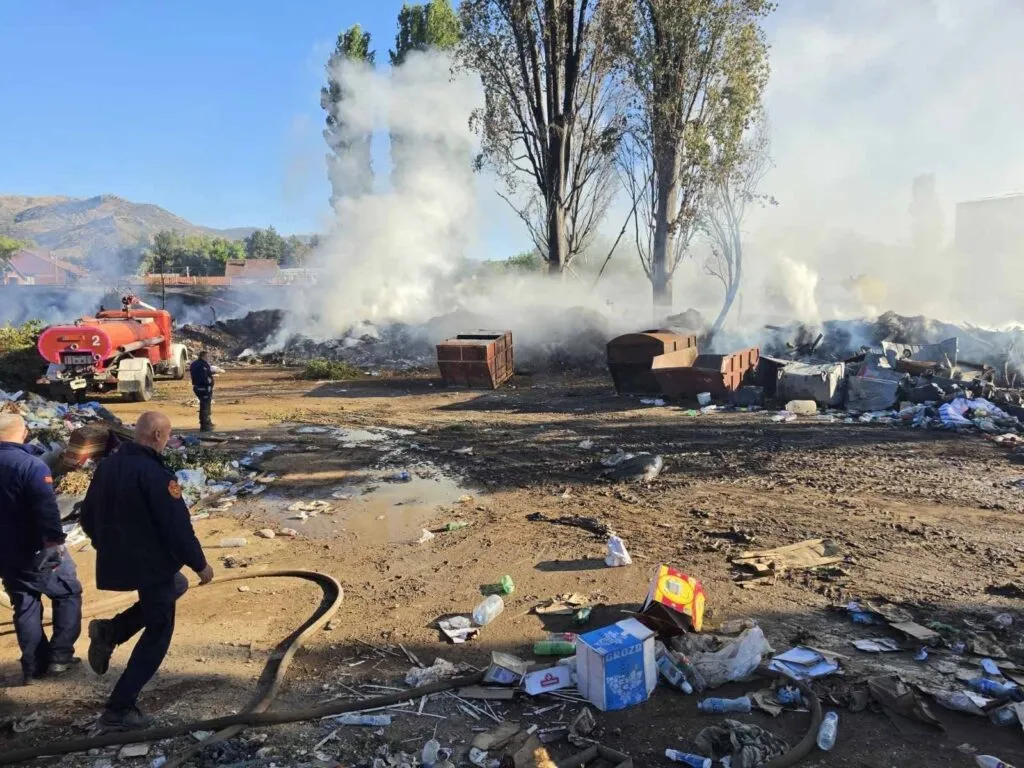
On one side, thick, choking smoke visible even from the road to Bitola. On the other - a statement that...
A fifteen-year-old robbed under threat of a sharp object, three primary school pupils attacked on a day trip, a seventeen-year-old...
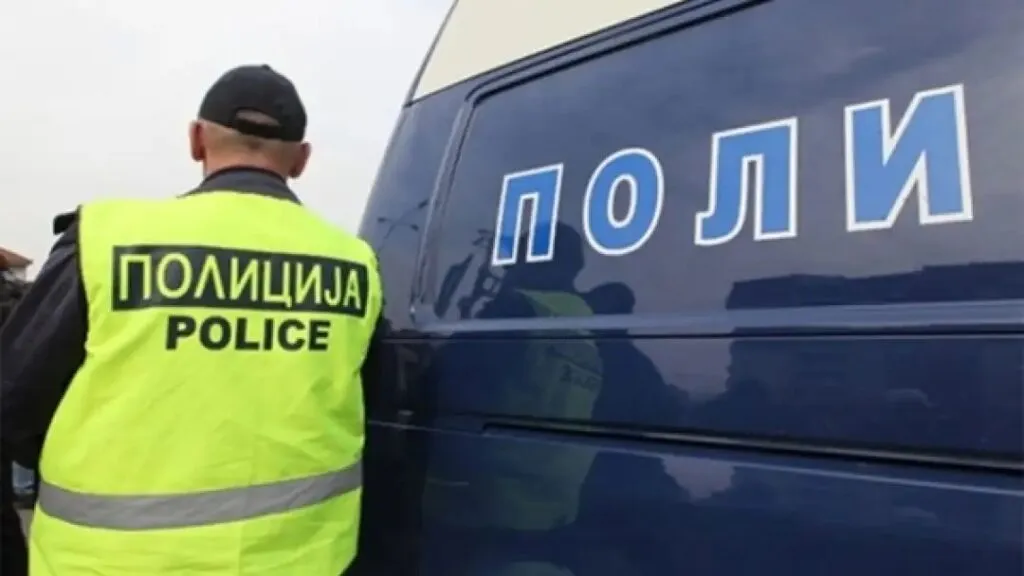
Unresolved property relations over a village road, a sharp object and traces of blood. The 75-year-old suspect has been detained.
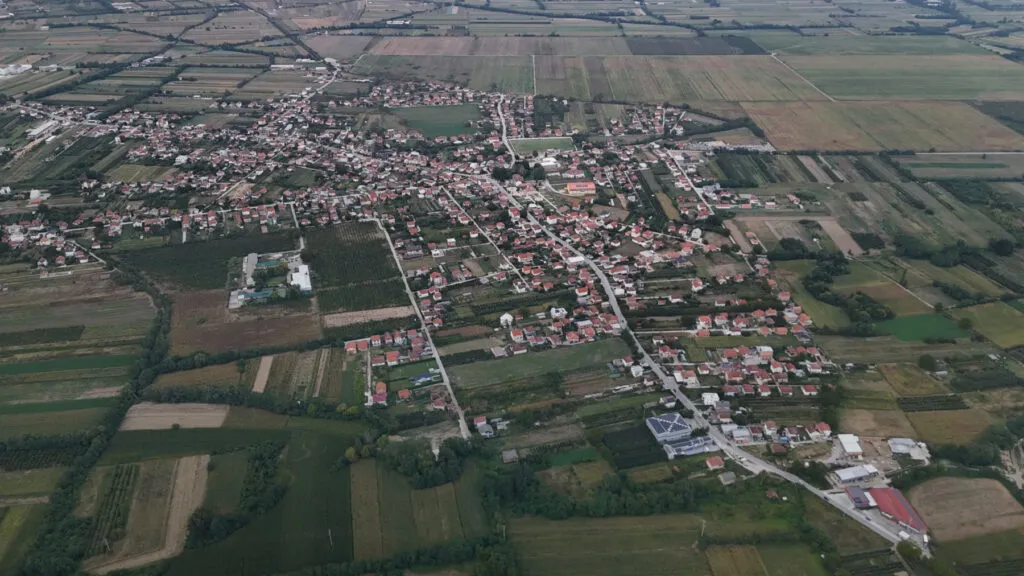
Extending the old road, water for Gurgurnica, young people who shouldn't leave and municipal companies. One candidate didn't respond to...

Minister Velkovski opened the centre and spoke of a society in which everyone has an equal chance. Capacity is 12...
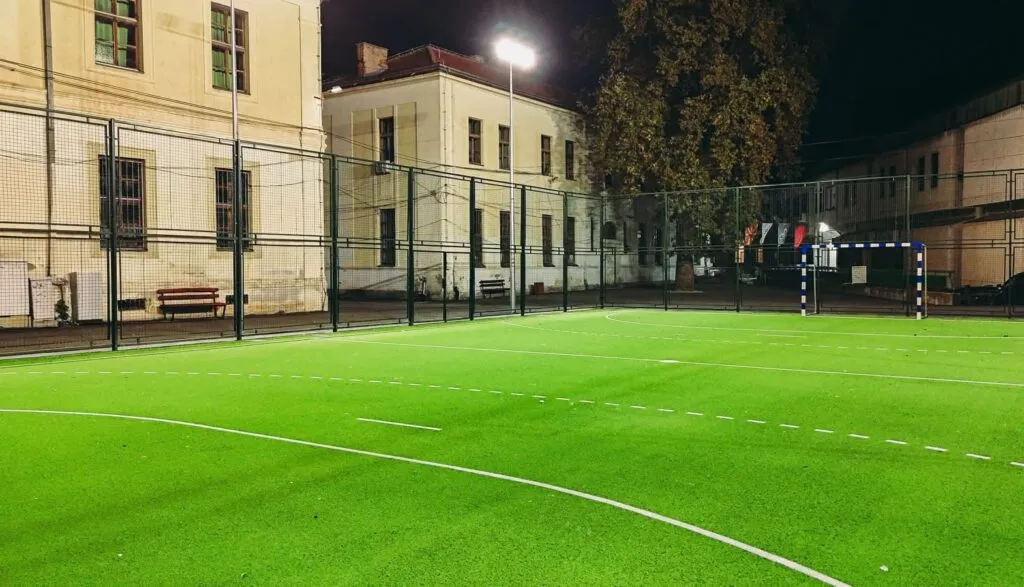
Futsal, handball and basketball, a fence and lighting. The money comes from a government call, and the real test comes...

The constitutional changes stay on the table, and Skopje has requested a bilateral meeting with Bulgaria. So far there is...

As Greece handed Bulgaria the remains identified as Samuel's, the prime minister answered with history. His dates didn't add up.

Just to preserve the purchasing power of the 140 denars, food prices say it should be around 151. Instead, the...
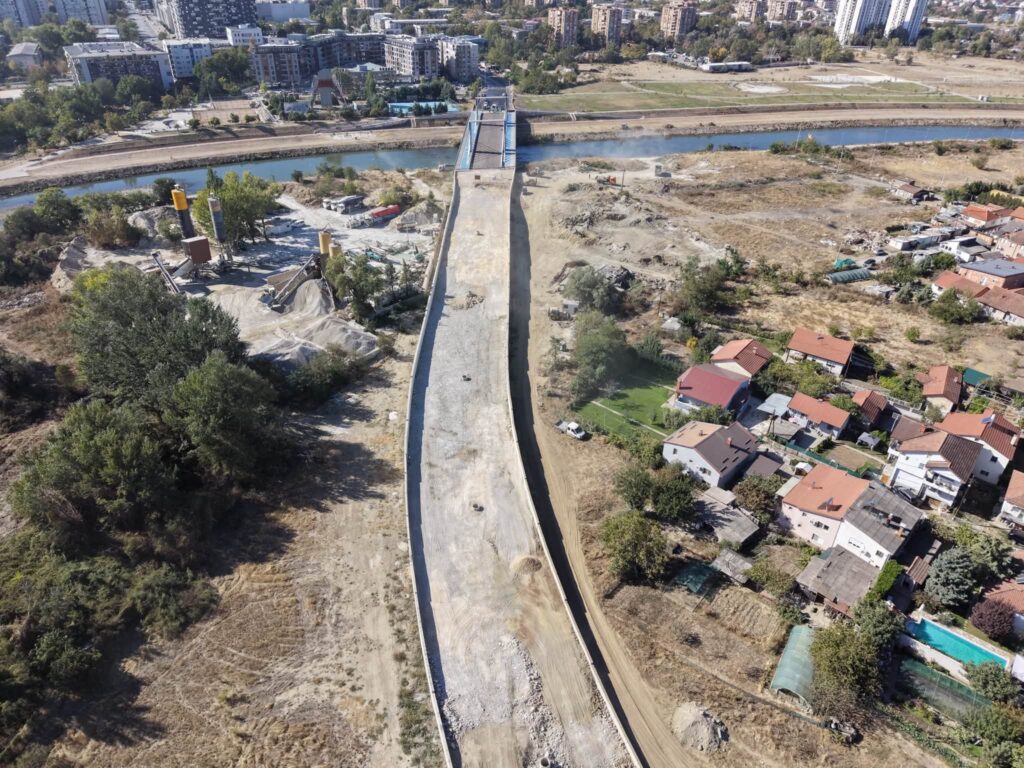
A new link to Zlokukjani, Bardovci and the Industrial Zone, four lanes and 40 street lights. Gjorgjievski pinned the blame...
This site uses cookies - is that okay? Learn more
Be the first to know when Metla launches something new
Leave your email and we will write when there is a new guide or something new on Metla.