
ЕВРОПА ГАЛОПИРА КОН ЈУГОСЛОВЕНСКО СЦЕНАРИО – ДАЛИ ИСТОРИЈАТА СЕ ПОВТОРУВА?
23.10.2026


23.10.2026

23.10.2026

23.10.2026
23.10.2026

23.10.2026

23.10.2026

23.10.2026

22.10.2026

22.10.2026

23.10.2026

23.10.2026
22.10.2026

23.10.2026

23.10.2026

23.10.2026

23.10.2026

22.10.2026

21.10.2026

23.10.2026

23.10.2026
23.10.2026

23.10.2026

23.10.2026

22.10.2026

23.10.2026

23.10.2026

23.10.2026
22.10.2026

20.10.2026

19.10.2026

23.04.2026

23.04.2026

12.04.2026

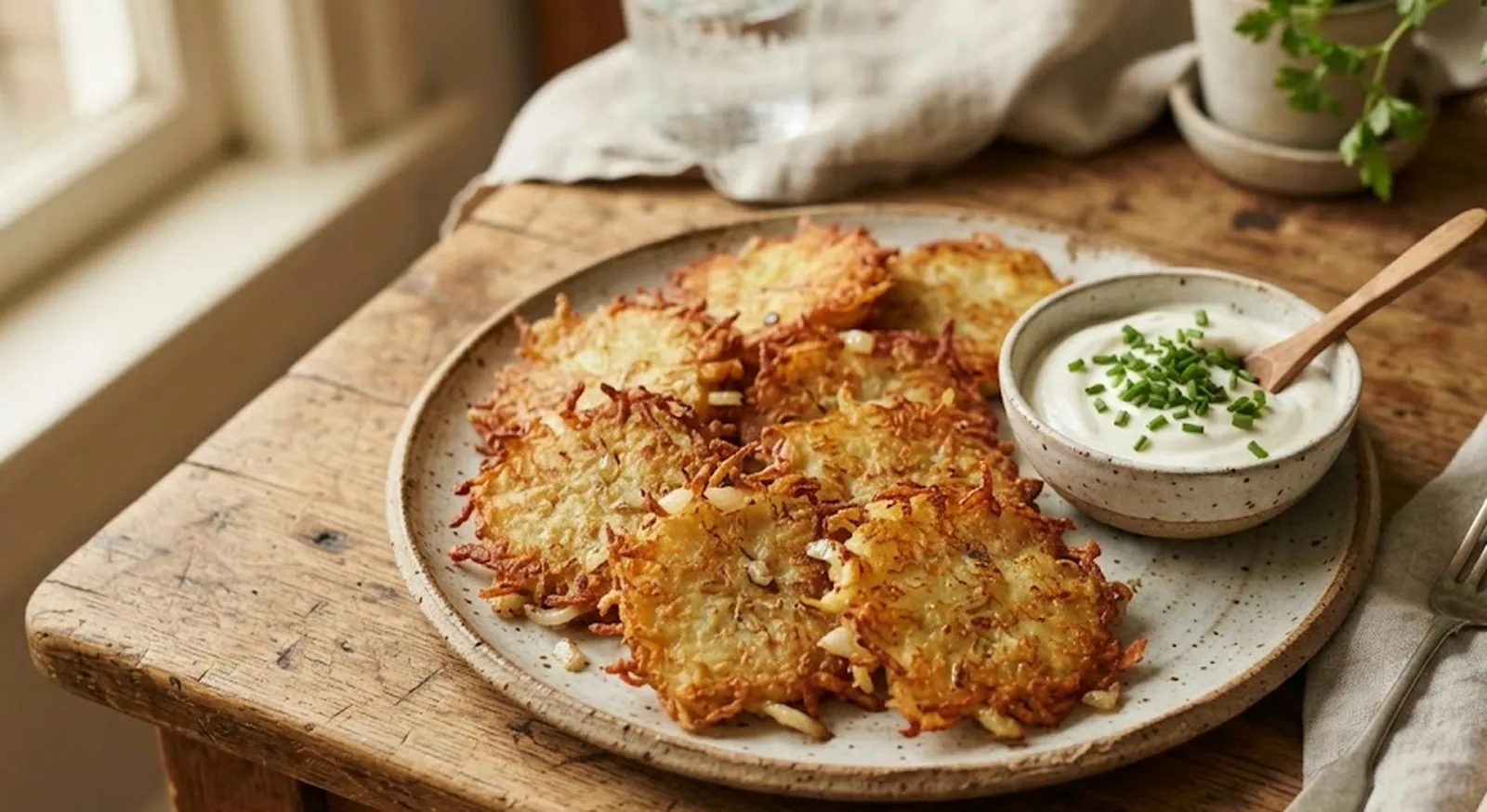
Potato fritters are one of those dishes you find everywhere and nowhere the same. The Swiss call them rosti, the Germans Kartoffelpuffer, and here they turn up as something in between, usually made when three potatoes are left in the kitchen and there is no appetite for a bigger plan.
What holds them together is not the egg. It is the starch. The potato is a natural binder in itself - grated or mashed potato holds its shape, and the egg, flour or breadcrumbs only stabilise the mixture enough to work with. Which is why the choice of potato is not a detail: floury varieties bind better than waxy ones.
Here is the step that decides everything, and almost everyone skips it. Grated raw potato must be squeezed out thoroughly with a clean cloth or paper towels. If the water stays inside, the fritter does not fry - it boils in the pan and comes out soft, pale and without a crust. The same goes if you add courgette, onion or spinach: those get squeezed too before they enter the mixture.
The rest is proportions and patience. About a centimetre thick, so it cooks evenly. Medium-high heat, not high - on high heat the outside blackens before the inside is done. And do not turn it until the base is golden; a fritter turned too early falls apart, and nobody puts it back together after that.
From there on it is a base you add whatever is at home to. With courgette, as a starter with sour cream. With smoked salmon, where the fritter replaces the bread or the blini. With chard, where boiled potato and breadcrumbs mean you need no flour at all. As a sandwich, German style, with cream cheese, cucumber and dill between two fritters.
There are more serious versions too. With beef tataki and horseradish sauce, where the boiled potato mixture is combined with roasted garlic and a little red pepper, with thin slices of beef fillet on top. With purple potato and a cheese and dill sauce, baked in the oven instead of fried. And a sweet version, with brown sugar and sour cream, which works as breakfast if you make them smaller.
If you want less oil, go to the oven or the air fryer. They will be drier and slightly less good - that is an honest trade, not a trick. Any recipe promising that something fried will taste the same without oil is lying about something else too.
The latest 10 news from this category

Jesús Sánchez defends squid against every add-on that supposedly improves it - egg, milk, and even lemon.
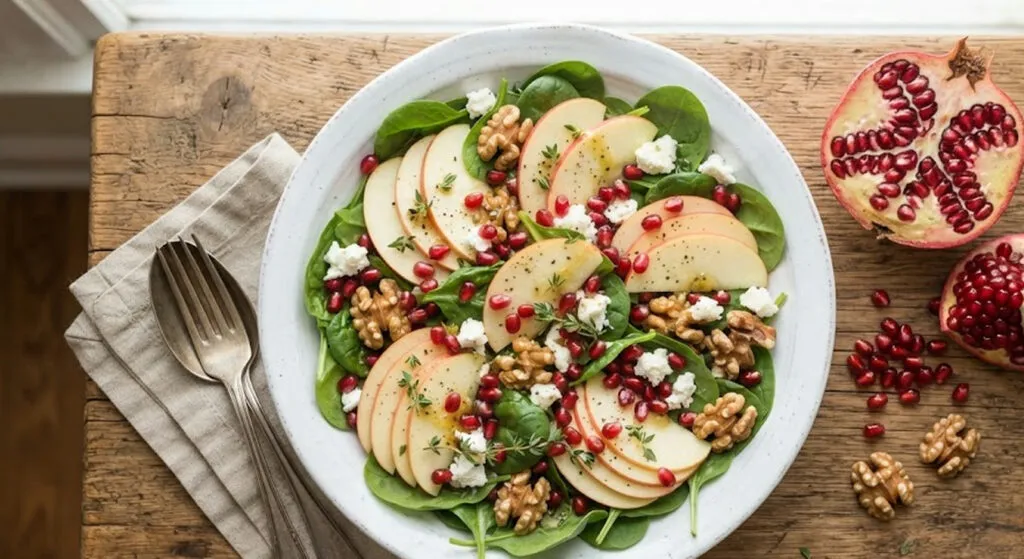
The seeds burst between your teeth, the sweet-sour taste tames the salty, and the juice is a ready-made dressing. In...
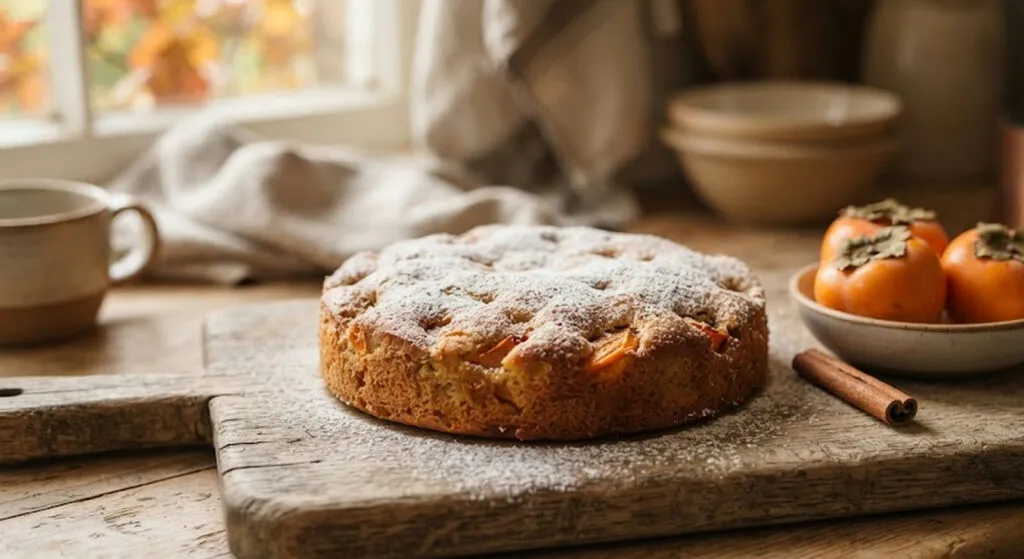
The persimmons that have gone too soft to eat are exactly the ones you need. A recipe for a 22-centimetre...
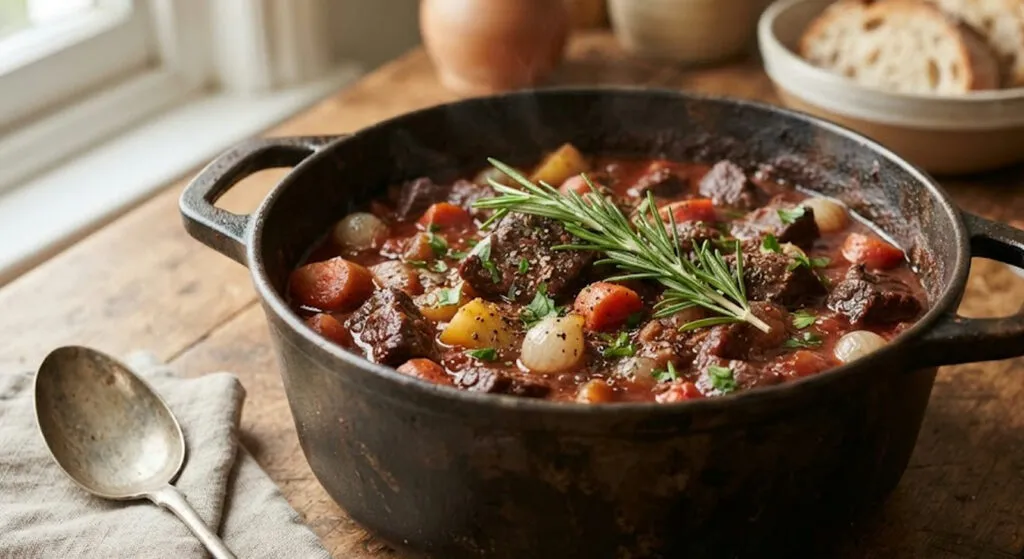
The most tender stew is not made from the leanest meat, but from the cuts that demand patience. And it...
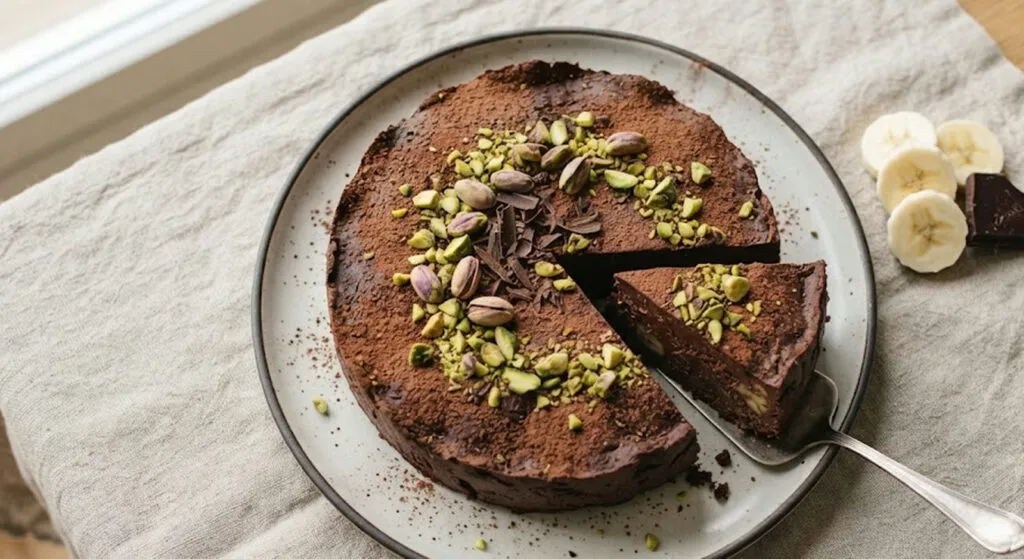
Two ripe bananas, a little dark chocolate and a fridge instead of an oven: the Olympic canoeist's dessert for evenings...
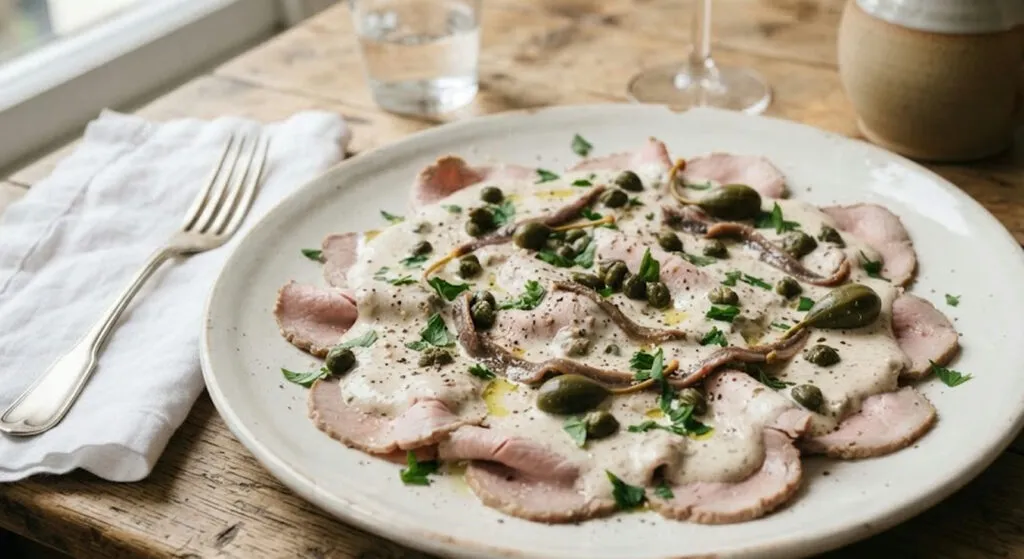
Lean meat that never goes above 65 degrees inside, a night in the fridge and a mayonnaise with tuna, anchovies...
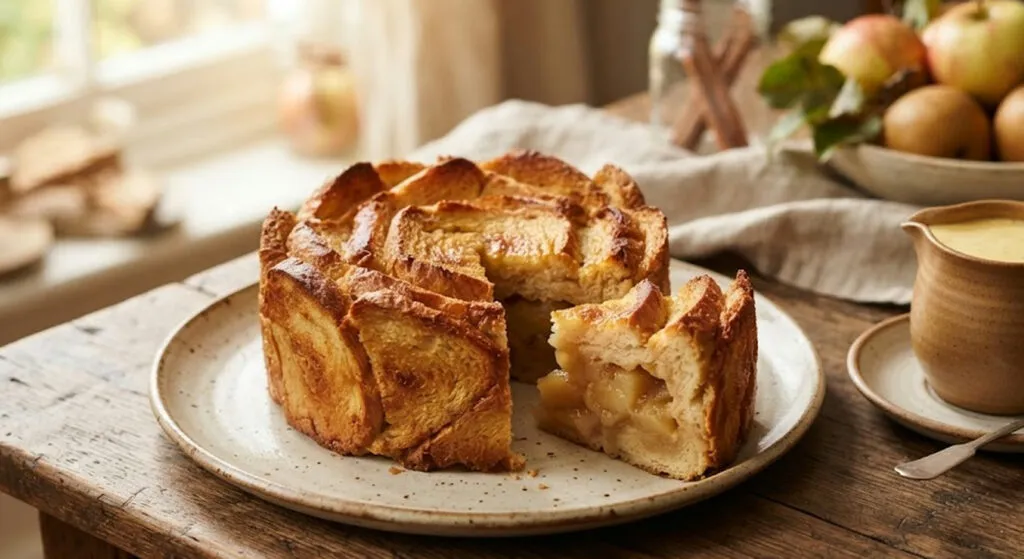
The British turned stale bread into a warm pudding served with custard. The secret isn't the bread, it's the filling,...
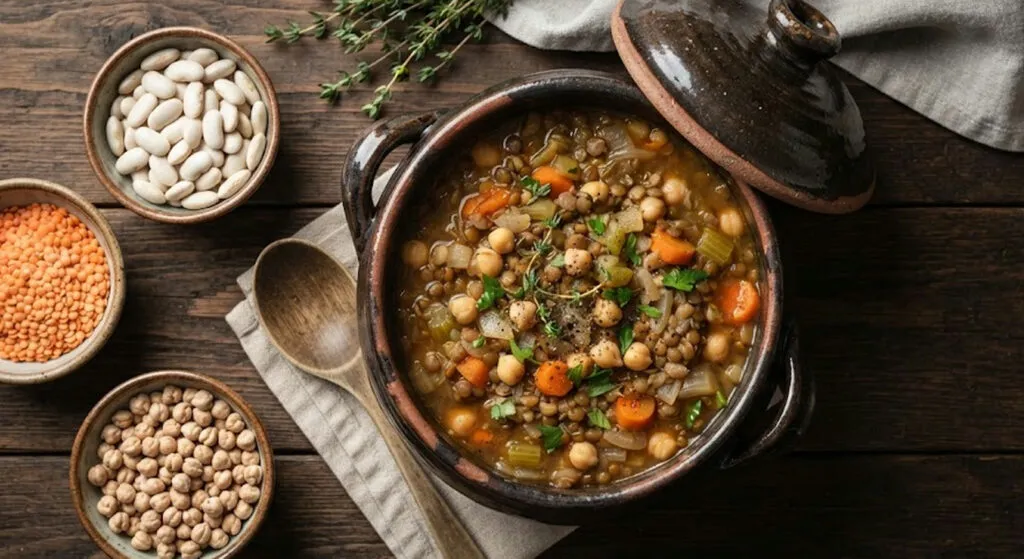
Cheap, filling, cholesterol-free and happy to wait months in the pantry. Ten legume recipes for autumn - and the trick...
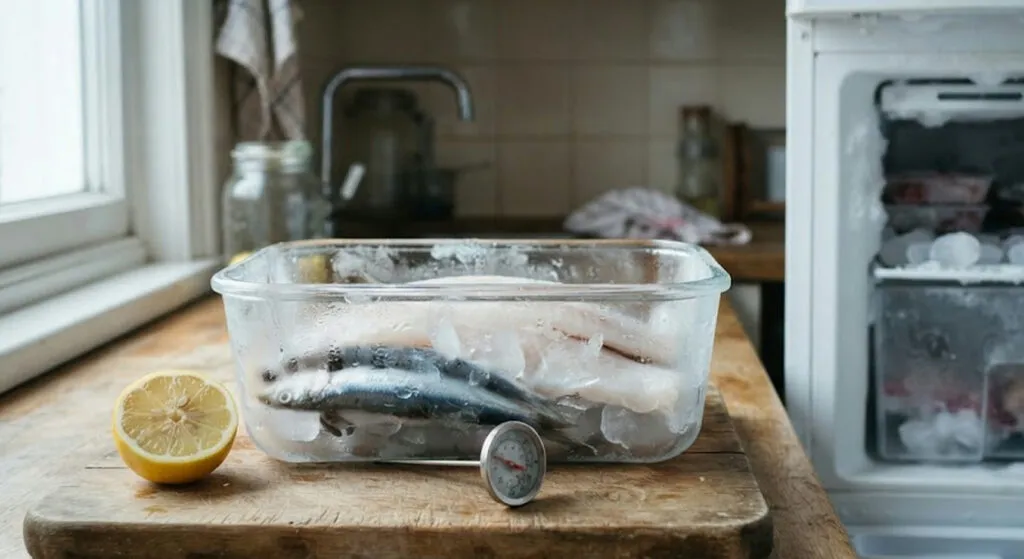
The larvae are killed only by 60 degrees at the centre of the piece or at least four days in...
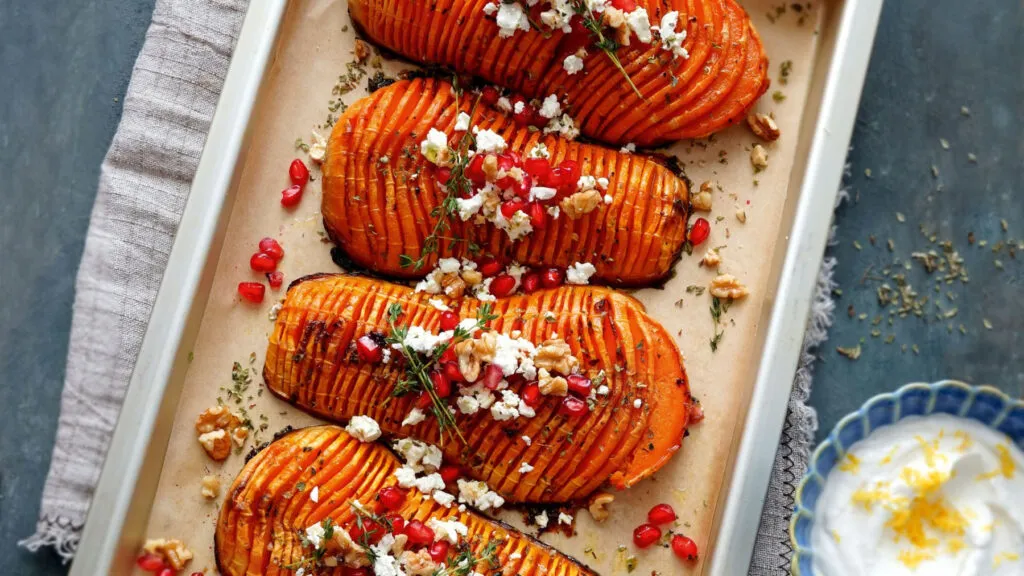
In Macedonia, pumpkin usually ends up in tikvenik, the filo pumpkin pie, or baked with sugar. Three recipes for four...
This site uses cookies - is that okay? Learn more
Be the first to know when Metla launches something new
Leave your email and we will write when there is a new guide or something new on Metla.