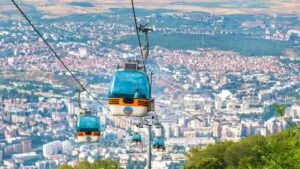
Three of Four Sensors Were Dead: Skopje's Vodno Cable Car Ran Fifteen Years Without a Real Service
17.09.2026


17.09.2026

17.09.2026

17.09.2026

17.09.2026
17.09.2026

17.09.2026

17.09.2026

16.09.2026

15.09.2026

17.09.2026

17.09.2026

16.09.2026
17.09.2026

17.09.2026

17.09.2026

17.09.2026

16.09.2026

15.09.2026

17.09.2026

17.09.2026

17.09.2026

17.09.2026

17.09.2026

17.09.2026

09.03.2026

27.02.2026

19.02.2026

23.04.2026

23.04.2026

12.04.2026

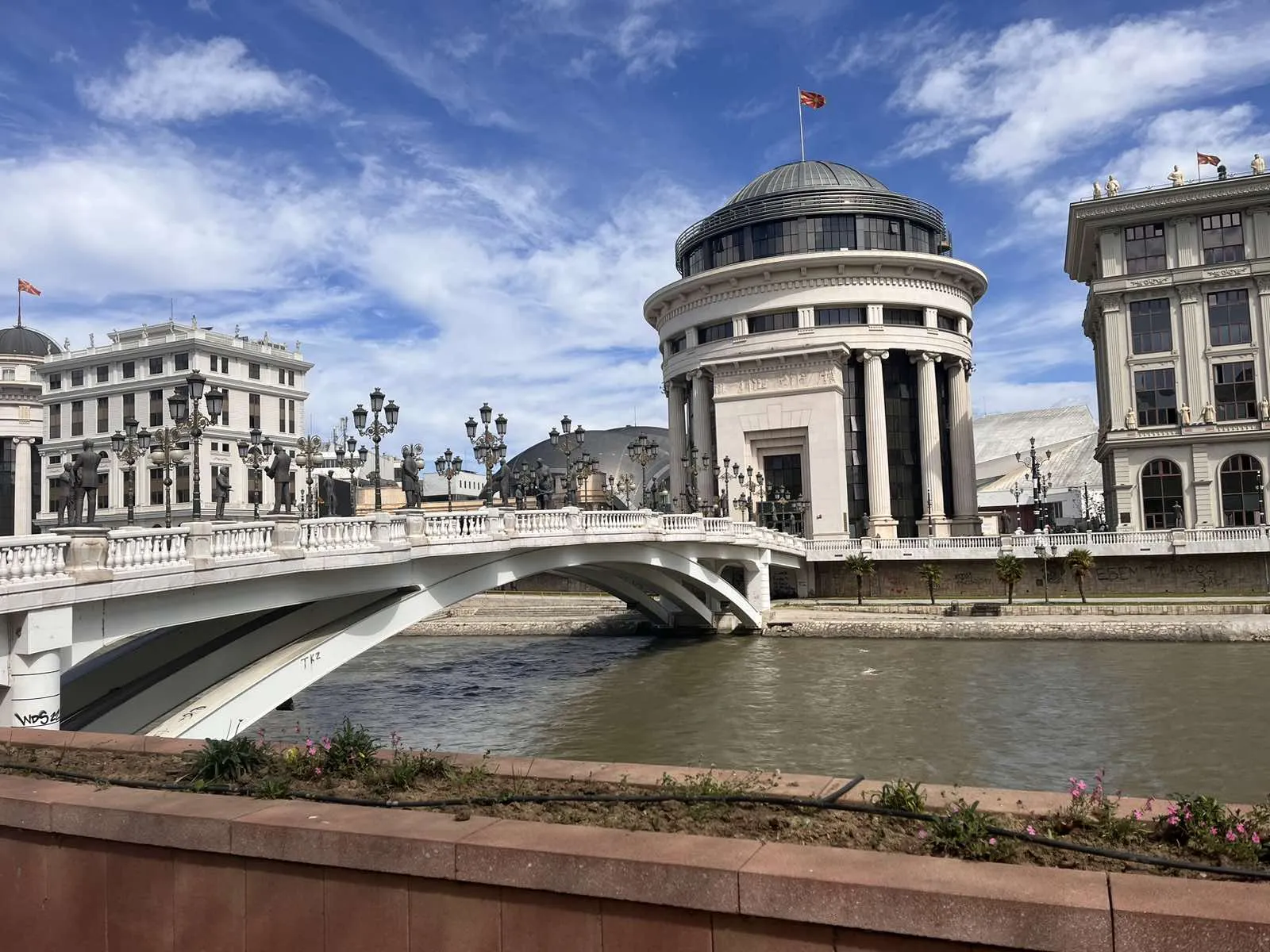
When the people working inside the system are the first to say a reform isn't a reform, it's worth listening. Staff at the public prosecution offices have pushed back that the new draft law is not a reform step forward but a missed opportunity - and that instead of strengthening the prosecution's independence, it keeps it dependent on the public administration.
Their objections are concrete. The law, they say, doesn't fix the chronic understaffing, brings no improvement to salaries or material conditions, and fails to guarantee the system's institutional independence. In other words - neither the headcount will grow, nor will the pay get better.
The hardest part of their reaction is procedural, but crucial. They claim the version sent to Parliament substantially departs from the solutions prepared by the working group - a group in which prosecutors, institutions, academics, and international partners took part for months. Numerous conclusions from that work, they say, were simply discarded without explanation.
This is an old disease of Macedonian legislation: months of work by expert groups, then at the last moment the text is changed behind closed doors, and something different from what was agreed comes out. Who made those changes and why - again, there's no clear answer.
The prosecution staff announce they'll submit written objections to Parliament and to the EU Delegation before final adoption. The question is whether anyone will read them - or whether the law will pass exactly as written, with reform only in the title.
The latest 10 news from this category

Of 340 million denars, only 40 million came from private money - the rest came from the State Lottery. Prosecutors...
The State Audit Office already warned that withholding the points makes favouritism possible. The rulebook requiring them to be published...
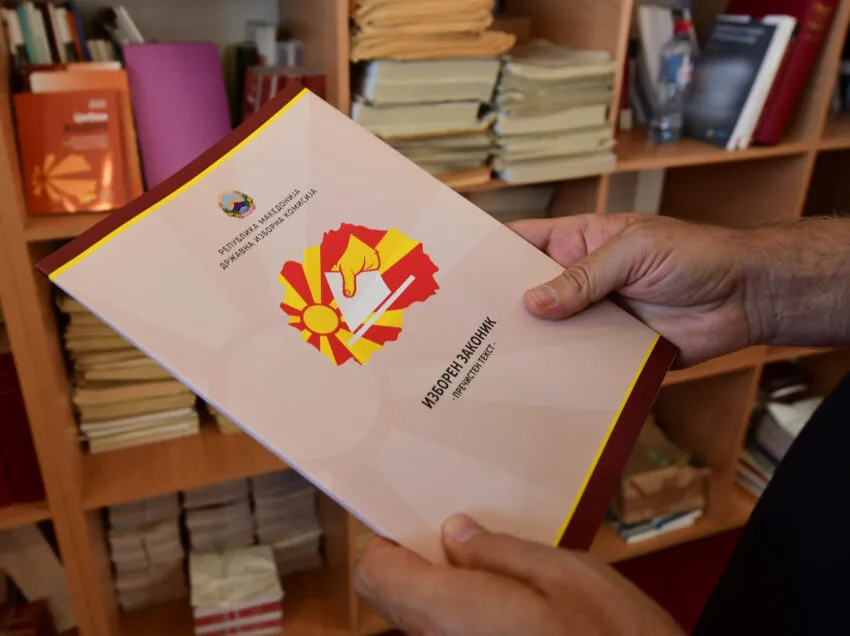
Two senior officials announced progress, the two largest parties denied it the same day. The amendments sit blocked behind 13,500...
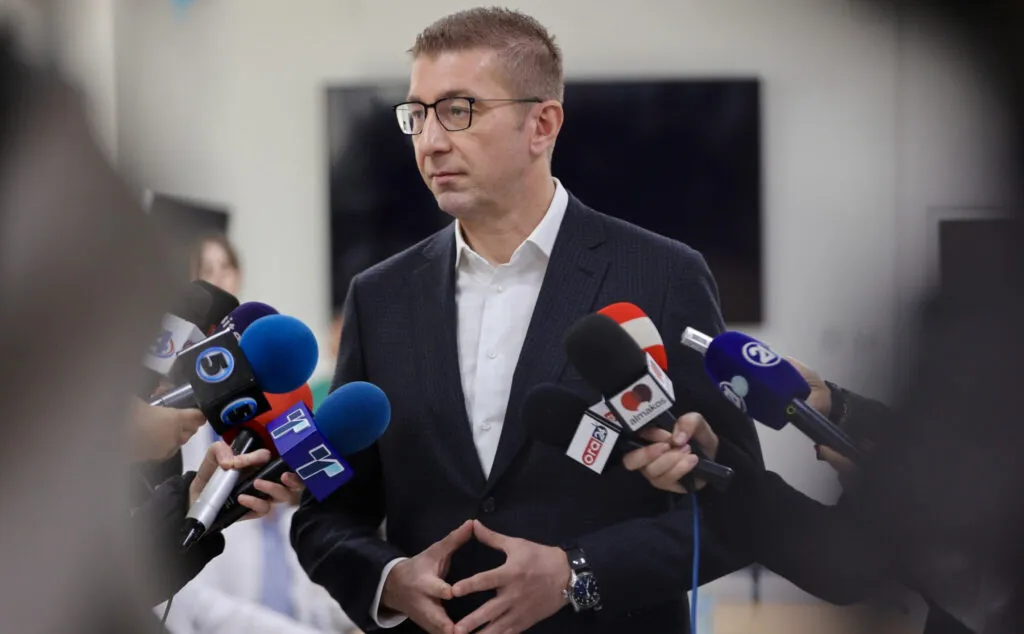
The police acted on their own knowledge, without the PM filing anything at all. The same mechanism exists for every...
The Electoral Code is the one unfulfilled reform obligation, and the working group does not even know when it will...
It was supposed to cost "zero denars". Now the opposition wants an investigation, and the timeline - David Guetta announced...
Five negations in one sentence, pension growth "16 times higher" with not a single figure beside it, and a third...
One side waits for a letter, another waits for a different commission, a third waits for consent. In those same...
The commission's chairman says it only checked whether the documents were complete. The public call says something else entirely -...
Three candidates, two of them lawyers, one of them employed by the very municipality he is running for. The line...
This site uses cookies - is that okay? Learn more
Be the first to know when Metla launches something new
Leave your email and we will write when there is a new guide or something new on Metla.