
Five Tonnes of Cannabis Straight Through Customs: A Medical Licence as Cover, at Least Five Runs
18.08.2026


18.08.2026
18.08.2026
18.08.2026

18.08.2026

18.08.2026

18.08.2026

18.08.2026

17.08.2026
16.08.2026
18.08.2026
18.08.2026
17.08.2026

18.08.2026

18.08.2026
18.08.2026

18.08.2026

17.08.2026

16.08.2026

18.08.2026

18.08.2026
18.08.2026

18.08.2026

17.08.2026
17.08.2026

09.03.2026

27.02.2026

19.02.2026

18.08.2026

17.08.2026

16.08.2026

23.04.2026

23.04.2026

12.04.2026
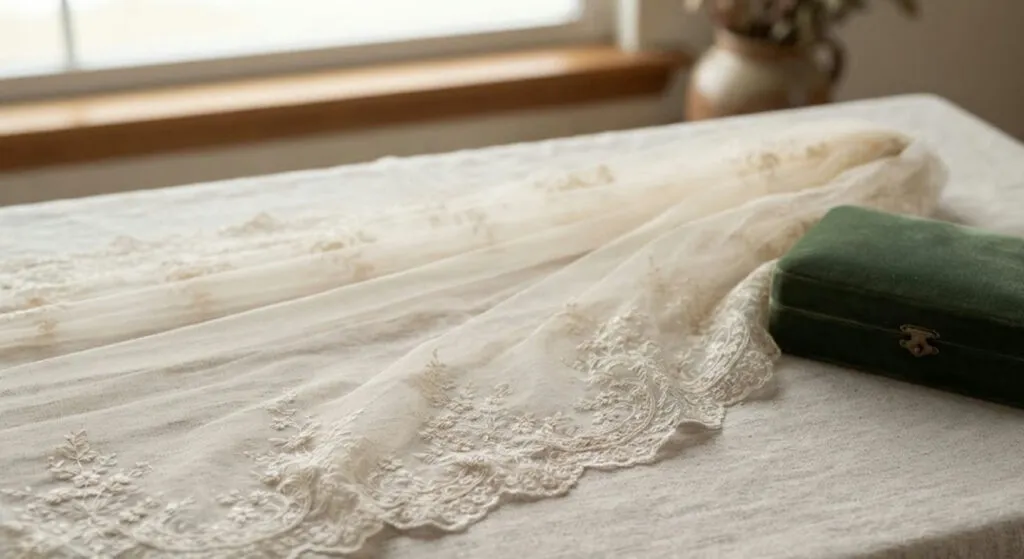
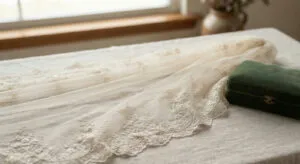
The veil is the part of a bridal look people talk about least and where the most is hidden. At royal weddings it is almost never just fabric - it is a message, an inheritance, or a bill somebody paid. Here is what ten brides from Europe's courts actually wore.
Queen Victoria, 10 February 1840, the Chapel Royal at St James's Palace. Her Honiton lace veil was around 3.6 metres long and 68 centimetres wide, and instead of a tiara she wore a crown of orange blossom. That is the wedding from which almost everything we now call „tradition” descends - including the white dress.
Queen Elizabeth II, 20 November 1947, Westminster Abbey. Egyptian silk tulle, held by the Fringe tiara created in 1919. The tiara broke just before the ceremony and was repaired in time - a detail the palace kept quiet at the time and which only emerged later.
Diana, Princess of Wales, 29 July 1981, St Paul's Cathedral. Hand-embroidered silk tulle by Peggy Applebee, with 10,000 micro-pearls and mother-of-pearl petals giving it a „fairy dust” effect. It was held by the Spencer family tiara - hers, not the court's, which even then was read as a message.
Maxima of the Netherlands, 2 February 2002, the New Church in Amsterdam. Silk tulle designed by Valentino, hand-embroidered with floral motifs, held by a tiara assembled from Queen Beatrix's pearl piece and five star brooches belonging to Queen Emma. A tiara made from the parts of two previous women - about the most precise metaphor available for marrying into a family.
Mary of Denmark, 14 May 2004, Copenhagen Cathedral. Irish lace more than a hundred years old, first worn by Princess Margaret of Connaught in 1905, then by Queen Ingrid in 1935, and afterwards by other Danish brides. You do not buy a new one - you add a name to a list.
Doña Letizia, 22 May 2004, Almudena Cathedral in Madrid. A triangular piece three metres long and two metres wide at the base, hand-embroidered with lily and wheat motifs using nineteenth-century techniques. It was a personal gift from the then Prince Felipe, held by the Prussian tiara.
Victoria of Sweden, 19 June 2010, St Nicholas Cathedral in Stockholm. Historic Bernadotte family lace, previously worn by Queen Silvia in 1976, combined with the tiara set with seven cameos in gold and pearls.
Kate Middleton, 29 April 2011, Westminster Abbey. Simple ivory tulle with lace edging, cut short below the waist rather than trailing over the train - a deliberate decision for less opulence. It was held by the Cartier tiara Elizabeth II received for her eighteenth birthday.
Meghan Markle, 19 May 2018, St George's Chapel at Windsor. Five metres of silk tulle embroidered with 53 flowers from the Commonwealth countries, plus two more: wintersweet from the gardens of Kensington Palace and the California poppy from her home state. Two stalks of wheat stood for charity and love. That is a veil that is literally a political map - and it was read exactly that way.
Theodora of Greece, 28 September 2024, the Cathedral of the Annunciation in Athens. Historic Irish lace previously worn by three queens and three princesses connected to the Danish court, among them Margaret of Connaught, Ingrid, Anne-Marie, Mary, and princesses Alexia and Benedikte.
Six of these ten veils are borrowed, inherited or gifted. Only a few were made from scratch for that bride. For families who can buy whatever they want, that is a deliberate choice - the piece has to carry a name before hers. Here, grandmother's lace usually ends up in a drawer rather than on a head. The question is why.
The latest 10 news from this category
The most important Spanish designer since Balenciaga does not speak in the singular. And when she talks about fashion today,...

There are ingredients with real scientific backing and there are words that are pure marketing. The list of the first...
Merino regulates temperature and breathes; polyester and acrylic trap heat and moisture. Two garments with the same look and the...
The polymer wraps each lash in its own tiny tube and the pigment stays sealed inside. Anyone who panics and...
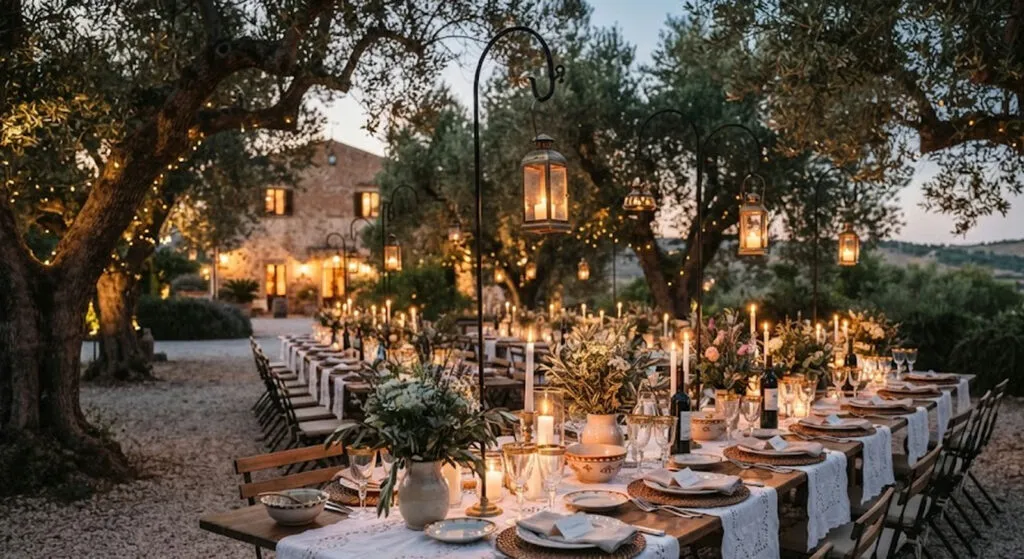
The second dress had optical fibres woven in that glow in the dark - a joke at the expense of...
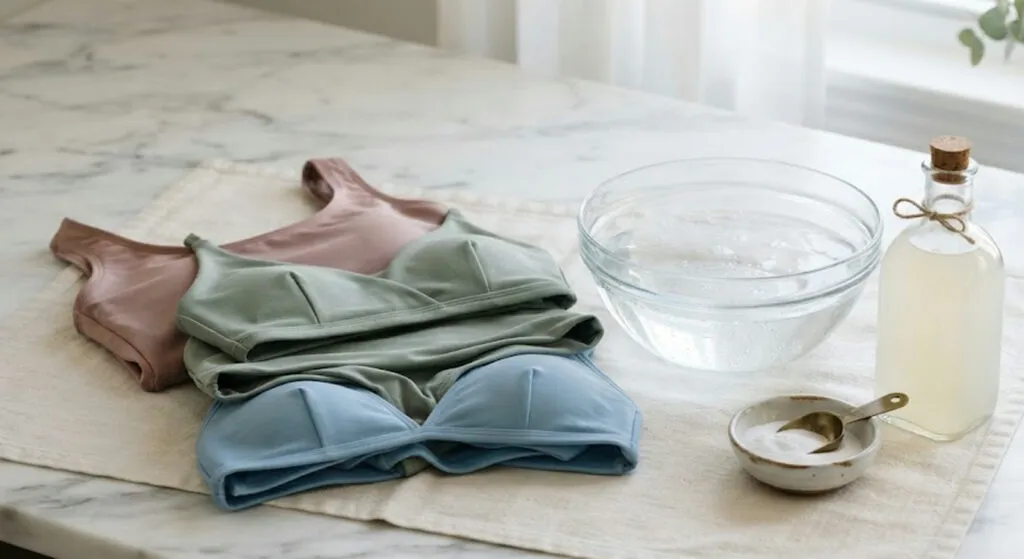
Chlorine, salt and sunscreen wear them down year after year. The treatment against that needs vinegar, baking soda and a...
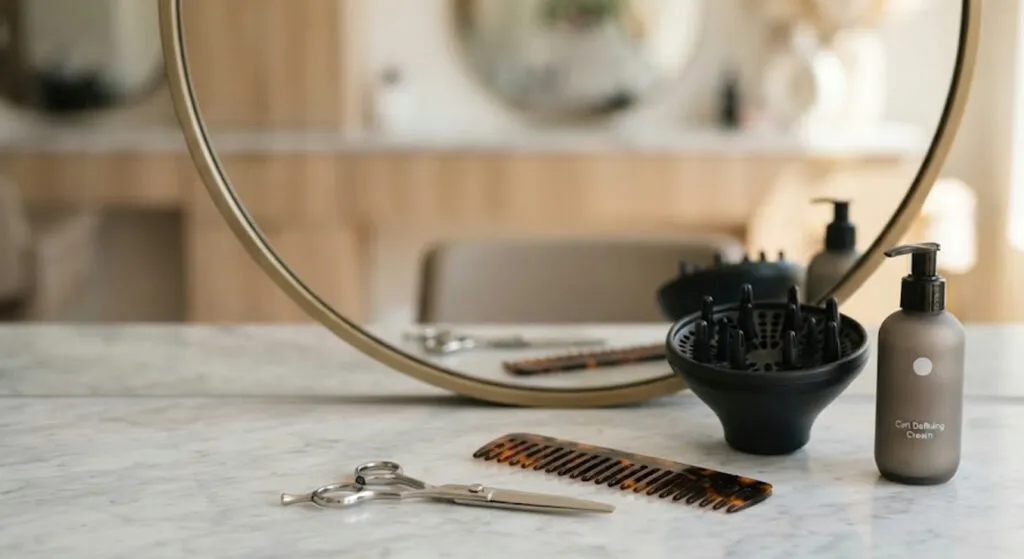
A wet curl is longer, heavier and straighter than it will be in half an hour. Hence that bell effect...
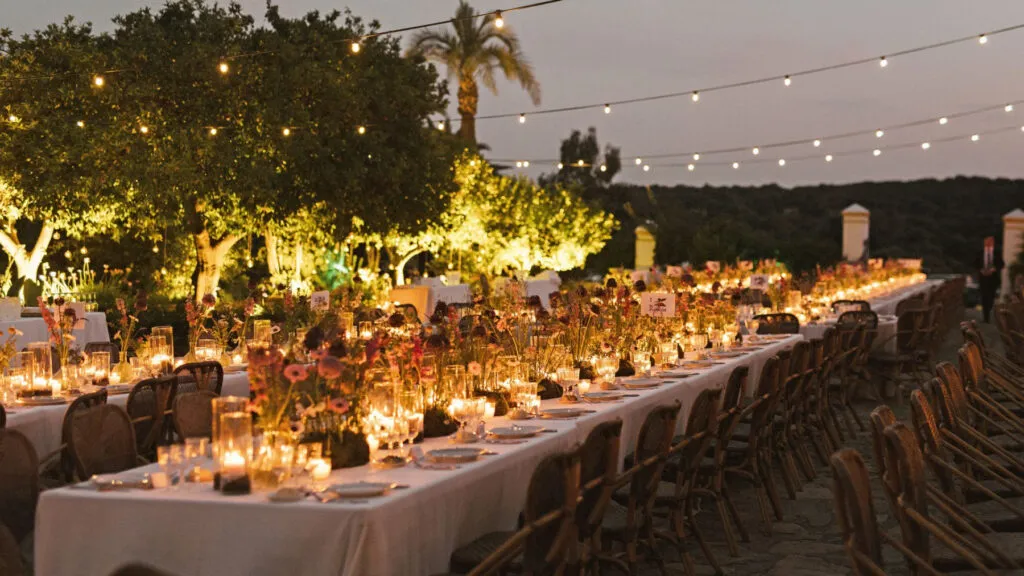
Almost none of the items on the list is about money. The temperature of the food, the choice of wine,...
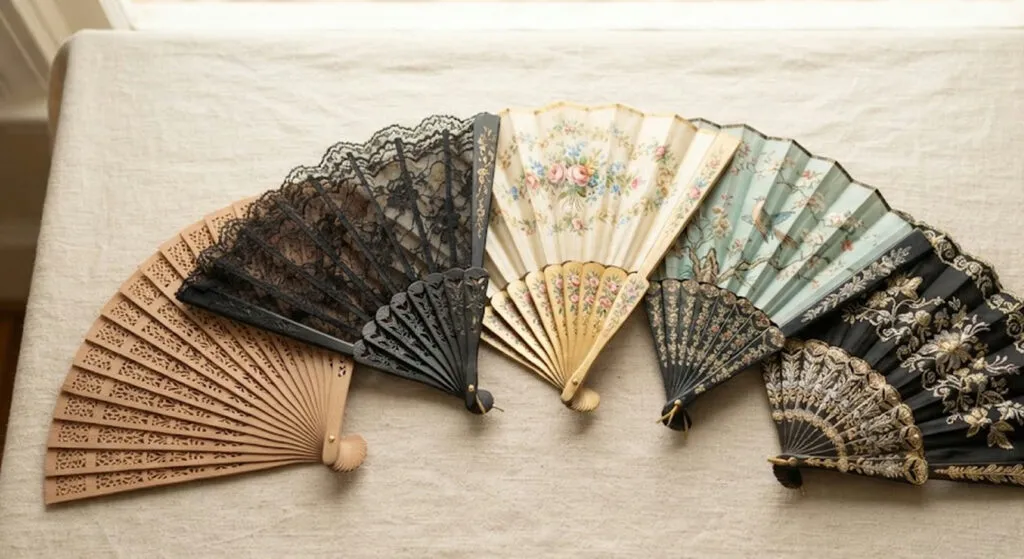
One carries an engraved date from 2007 and was brought out thirteen years later. At forty degrees a fan works...
Ana Galán refuses to hand over one single meaning and instead points at what the ritual actually does. The difference...
This site uses cookies - is that okay? Learn more
Be the first to know when Metla launches something new
Leave your email and we will write when there is a new guide or something new on Metla.