

Studeničani: 35-year-old dies after being electrocuted while washing his car with a pressure washer
18.09.2026


18.09.2026
18.09.2026

18.09.2026

18.09.2026

18.09.2026
18.09.2026

18.09.2026

17.09.2026

16.09.2026

18.09.2026

18.09.2026

17.09.2026

18.09.2026

18.09.2026

18.09.2026

18.09.2026

17.09.2026

16.09.2026

18.09.2026

18.09.2026

18.09.2026

18.09.2026

17.09.2026

17.09.2026

09.03.2026

27.02.2026

19.02.2026

18.09.2026

17.09.2026

16.09.2026

23.04.2026

23.04.2026

12.04.2026

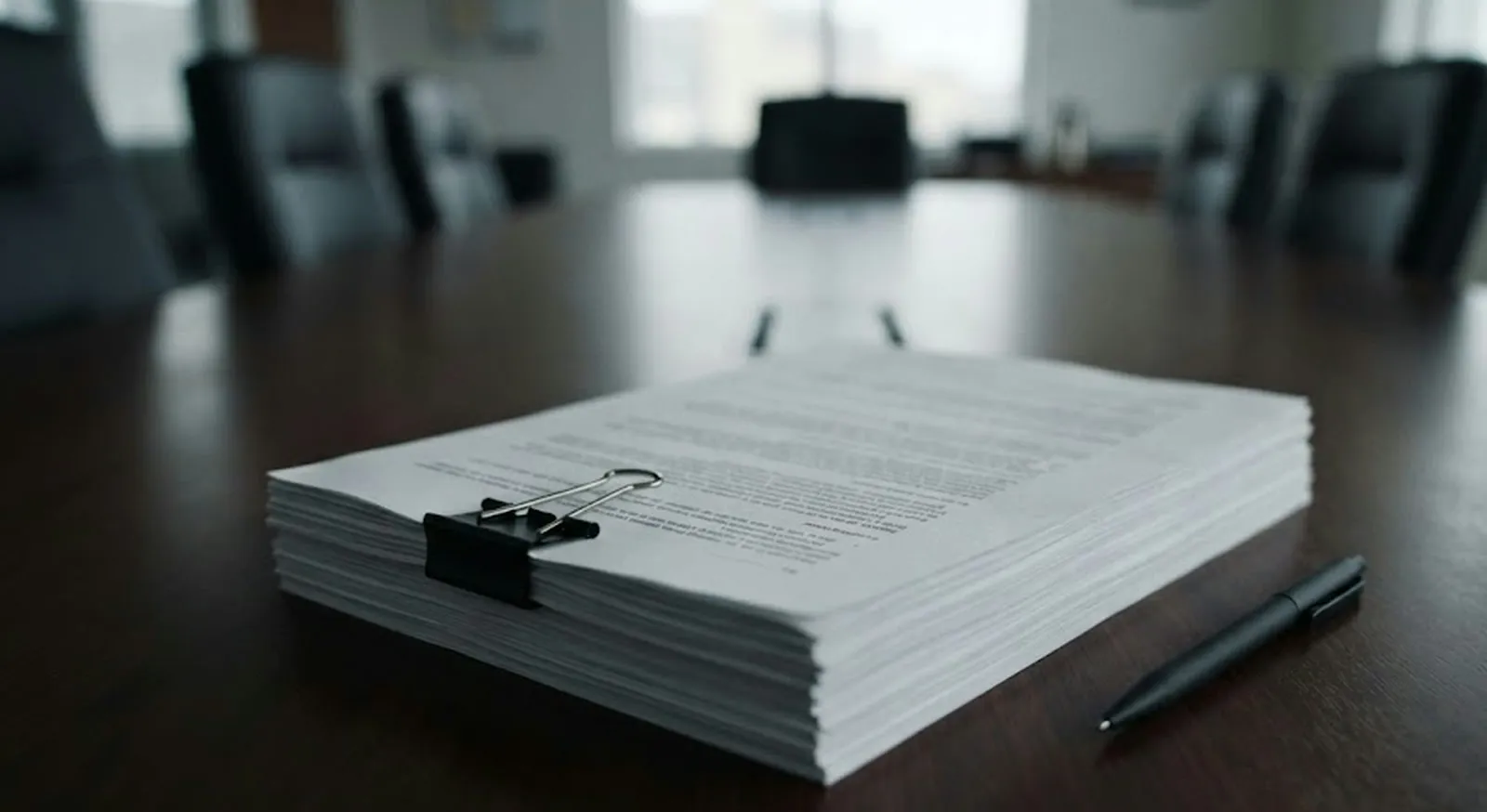
Almost a year of joint engineering meetings. A shared development roadmap. Shared source code. Then - they couldn't agree on price.
Startup Runlayer, which sells a security gateway for MCP - the protocol through which AI models and agents pull in external data and tools - has filed a lawsuit against Rippling, a human resources software company. The allegation is that Rippling, having finished its trial as a prospective buyer, sat down and built the same product itself.
The lawsuit states the evaluation lasted „nearly a year of intensive engineering collaboration”. Both sides signed a mutual non-disclosure agreement, and Rippling also signed a trial agreement with a clause barring it from copying Runlayer's intellectual property or creating derivative works. Standard wording in every corporate software contract - precisely because a case like this is not new.
The trial collapsed over price. Shortly afterwards, Runlayer claims, someone inside Rippling messaged founder and CEO Andrew Berman saying there was an „internal project to build a clone of Runlayer... an almost one-to-one copy of Runlayer”.
Rippling confirmed it is indeed launching its own MCP gateway, but rejects the allegations. „Runlayer's panicked attempt to avoid competition by inventing claims is not an effective way to deal with its business failures. Rippling is launching a superior product for connecting AI tools to business data using only our own information,” the company's spokesperson said.
Runlayer has hired Sullivan & Cromwell, one of New York's most expensive law firms. That doesn't mean it will win. It means it wants the court and the market to see the lawsuit as serious, the same way a well-known investor lends credibility to a company before it earns a single cent.
The most interesting part of this case isn't who is right. It is the display of the trap facing anyone selling complex AI infrastructure to large firms - especially to other tech firms. Selling requires a long, deep, hands-on trial. The trial requires showing the product from the inside. And the buyer on the other side of the table has their own engineers and their own capacity to build the same thing.
The MCP gateway market is already crowded. Anthropic published MCP as an open-source protocol in November 2024, and since then it has become one of the basic connections through which AI systems reach external data. Runlayer launched its product in the middle of last year and raised a total of 42 million dollars (around 39 million euros) from investors including Khosla Ventures and Felicis.
Is there a way to sell technical know-how to a company that can build it itself? A non-disclosure agreement is a piece of paper. The court is slow. And by the time the case ends, the product being fought over will already be obsolete.
The latest 10 news from this category
An eight-year-old firm that started out mining crypto has tripled its value in ten months. It did not discover anything...

The price of uranium has jumped 75 percent in five years, and the list of countries that mine it reads...
Exein raised 270 million dollars and its valuation jumped thirtyfold in two years. The European regulation coming into force in...
A startup valued at 94 million dollars changed hands, and both sides said openly what was being bought - not...
A technology sold for decades as the answer to the climate is now taking money from the defence industry. The...
The board voted, the founder kicked the administrators out of Slack and held out for three days. What does a...

Three months ago the company raised 60 million. Now it is worth almost ten times that, and its product is...

After Ohridska Banka, Sparkasse has gone after a second one. The approvals come from Podgorica, Belgrade and Frankfurt. The market...

They had offers and visas to stay in the US. They went back to Munich because the numbers worked better...

A signed term sheet in venture capital is treated as a word of honour. When the buyer offers sixty-seven years...
This site uses cookies - is that okay? Learn more
Be the first to know when Metla launches something new
Leave your email and we will write when there is a new guide or something new on Metla.
