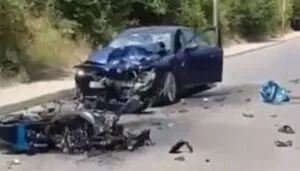
Prosecutors set out the sequence in Radišani: the driver cut off 19-year-old Nikola, then left without helping
10.08.2026


10.08.2026

10.08.2026
10.08.2026
10.08.2026
10.08.2026

10.08.2026
10.08.2026
09.08.2026
08.08.2026

10.08.2026
10.08.2026

09.08.2026

10.08.2026

10.08.2026

10.08.2026

10.08.2026

09.08.2026

08.08.2026
10.08.2026

10.08.2026

10.08.2026

10.08.2026
09.08.2026
08.08.2026

09.03.2026

27.02.2026

19.02.2026
10.08.2026
09.08.2026
08.08.2026

23.04.2026

23.04.2026

12.04.2026
Moscow has spoken about the Balkans, and it did not do so in diplomatic language. Yuri Pilipson, director of the Second European Department of the Russian foreign ministry, said that any pulling of Kosovo towards Euro-Atlantic structures is a „dangerous fantasy” and a threat to regional security.
The trigger for the reaction is the trilateral memorandum on military cooperation between Albania, Croatia and Kosovo, signed in March last year. What is technical cooperation for Tirana, Zagreb and Pristina is something else entirely for Moscow - the construction of a „military quasi-bloc”.
„It is dangerous to fantasise about pulling this traditionally Serbian region into Euro-Atlantic structures. We share the concerns of our partners in Belgrade, who rightly see pronounced anti-Serbian sentiment and potential security threats to their country in the military cooperation between Zagreb, Tirana and Pristina”, Pilipson said.
In his view, creating a closed Zagreb - Tirana - Pristina axis, at a time when the new „allies” barely get along with their own neighbours, is a destabilising factor and an „irritant”. The wording is Russian, but the remark about neighbourly relations was not invented from nothing - anyone who follows regional politics knows how easily a fuse is lit here.
Pilipson also listed the alliance's stated goals: development of a defence industry, joint procurement of military equipment, improved interoperability of armed forces and integration of data processing and transmission systems. That is not rhetoric, that is a list that looks like something far more concrete than a memorandum.
Where is Macedonia in this calculation?
Nowhere in the statement - and that is the detail that says the most. The axis Moscow describes runs to the north and to the south of us, and Macedonia has been a NATO member since 2020, which means it is part of the same military system without being part of this particular agreement. When big players draw lines on the Balkan map, small states usually find out where they ended up after the line has been drawn.
What remains is the question nobody asks out loud: how much of this Russian concern is a sincere analysis of security risk, and how much is an attempt to put the Balkans back on the list of open fronts while Moscow has more pressing problems? The answer, as usual, we will see later - and most likely will not like.
The latest 10 news from this category
He was met by the energy minister, not the president. Serbia gets confirmation on Kosovo, Ukraine gets ammunition - and...
For four years the flag stood in central Pristina as a sign of solidarity. Zelensky confirmed Ukraine does not recognise...
Belgrade's argument is not new, but the context is. Territorial integrity suddenly became the West's highest value - after Russia...
Zelensky's first official visit to Belgrade, and one sentence carried the whole logic of the meeting. Two presidents, the same...
The Ukrainian president came for infrastructure and jobs and left with a memorandum on food safety. His host announced a...
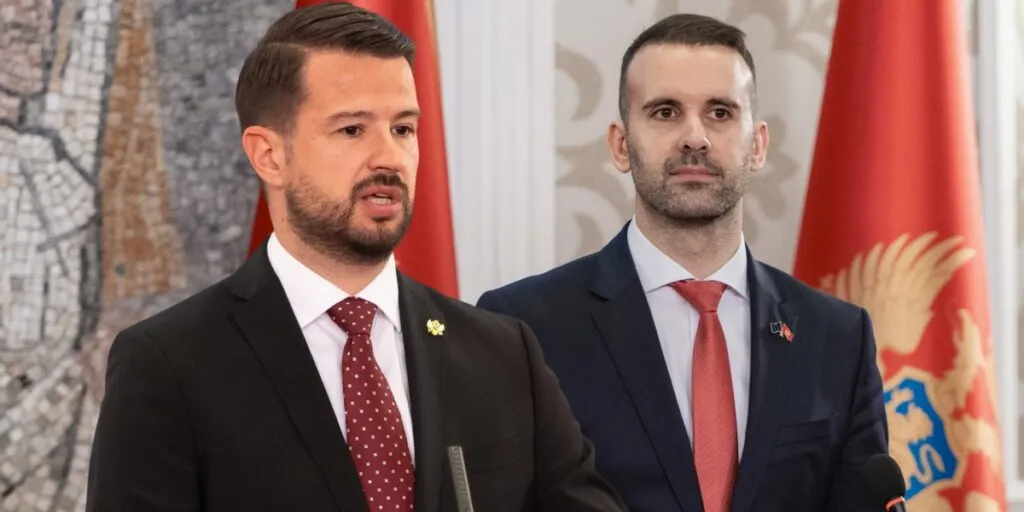
The declaration on military cooperation is real and public. Podgorica joining it has been confirmed by nobody. The difference between...
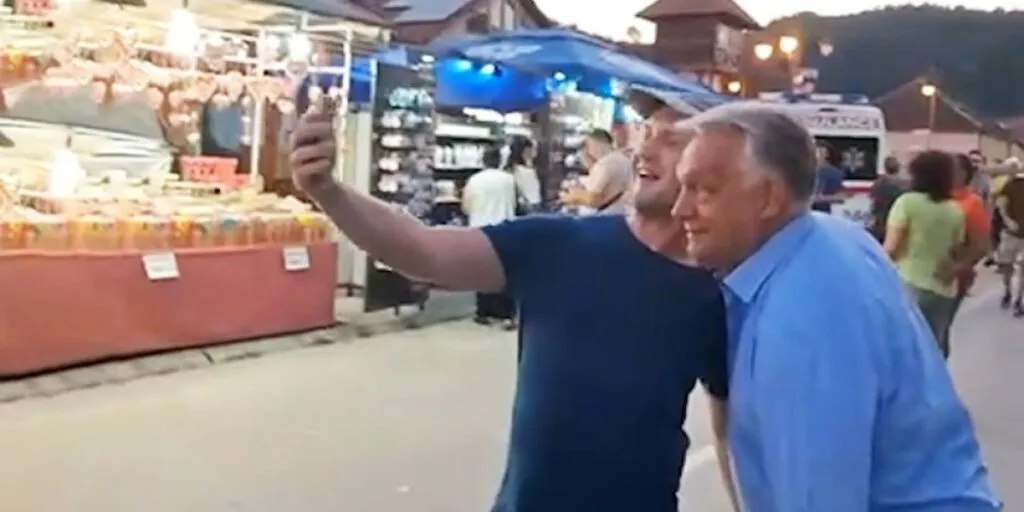
Smiling, no tie, a grilled kebab in front of him. Except the man wandering the festival lost power in April...
Zelensky's first bilateral visit to Serbia, the country that has not imposed a single sanction on Moscow. The German press...
No law requires the resignation - Vučić is offering it himself. Except the office is what gets vacated, while the...
Belgrade has spent decades walking a tightrope strung between Moscow and the West. On 8 August that rope gets pulled...
This site uses cookies - is that okay? Learn more
Be the first to know when Metla launches something new
Leave your email and we will write when there is a new guide or something new on Metla.