Prosecutors set out the sequence in Radišani: the driver cut off 19-year-old Nikola, then left without helping
10.08.2026


10.08.2026

10.08.2026

10.08.2026
10.08.2026
10.08.2026
10.08.2026
10.08.2026
09.08.2026
08.08.2026

10.08.2026

10.08.2026

09.08.2026

10.08.2026

10.08.2026

10.08.2026
10.08.2026

09.08.2026
08.08.2026

10.08.2026

10.08.2026

10.08.2026

10.08.2026
09.08.2026

08.08.2026

09.03.2026

27.02.2026

19.02.2026
10.08.2026
09.08.2026

08.08.2026

23.04.2026

23.04.2026

12.04.2026
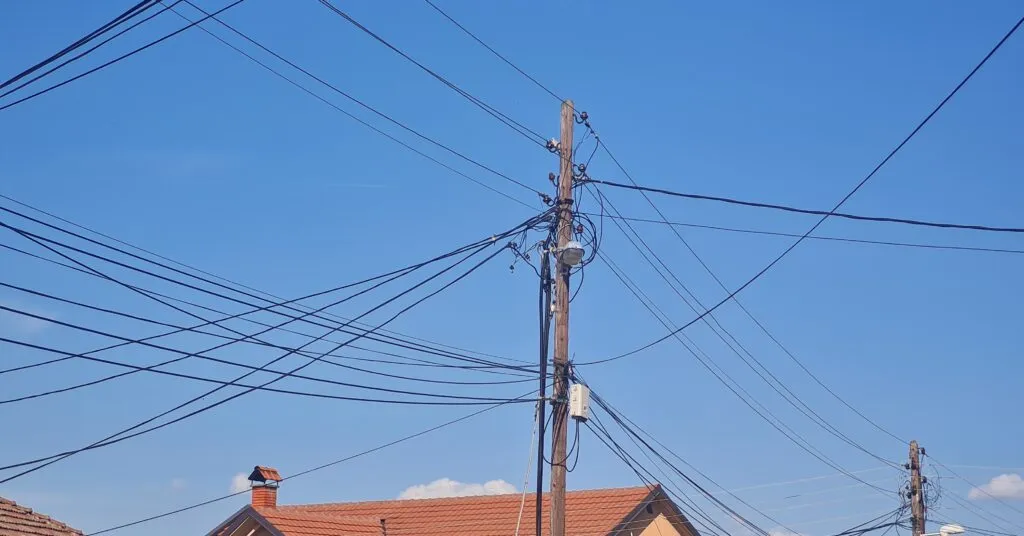
On the exchanges of Southeast Europe, the price of electricity passed 700 euros per megawatt-hour. The biggest jump was in Slovenia and Croatia; Greece and Bulgaria held the lowest prices. The most intense days were 3 and 4 August, when prices rose 50 to 100 percent compared with previous weeks.
The reason is not geopolitics, not a sanction and not somebody's cartel. The reason is that there is not enough water.
Rivers are shutting down reactors
The low level of the Danube forced Hungary's Paks nuclear plant to cut output by 90 percent. Romania's Cernavoda cut it by 50 percent. Slovenia's Krško reduced capacity by 20 percent after high water temperatures in the Sava made it impossible to discharge heat - environmental rules forbid warming the river above set thresholds.
Hydro plants have the same illness. In Serbia, Iron Gate 1 is running at 20 percent of normal output, Iron Gate 2 at 30. And on the other side of the equation, consumption in the region rose between 5 and 20 percent - because when it is 40 degrees outside, air conditioning is not a suggestion.
So the same heat that makes electricity essential also makes it unavailable. It is a scenario with nobody to blame, and that is exactly what makes it harder than the ones where there is somebody.
Romania sank barges to raise the Danube
The most vivid detail in the whole story is the measure Romania resorted to in order to keep Cernavoda running: sinking barges to lift the water level. The plant covers around a fifth of the country's electricity production.
That is not a solution. That is the improvisation of a state running out of options - and it is worth remembering as an image of the summer of 2026.
It is not just the region
The problem is spreading to the continent's largest nuclear producer as well. According to reports from the European energy sector, during the heatwaves in late June and mid-July, French plants had to temporarily reduce available capacity by eight to nine gigawatts - around a fifth of the country's normal summer output.
Krško, for comparison, produces 35 to 38 percent of Slovenia's electricity, and half of its output goes to Croatia, where it covers 15 to 20 percent of demand. When one plant coughs, two countries sweat.
Where we stand in this story
Macedonia is part of the same regional market and buys on the same exchanges where the price jumped. Our hydro plants are drinking the same drought. This is not a forecast about anyone's bill - it is the structure of the market we are plugged into.
The question worth asking is not what electricity will cost in August. The question is whether energy planning here even includes the possibility that the rivers our plants and our neighbours' plants rely on will not be there in the same volume next decade. So far that assumption has not appeared in a single strategic document.
The latest 10 news from this category
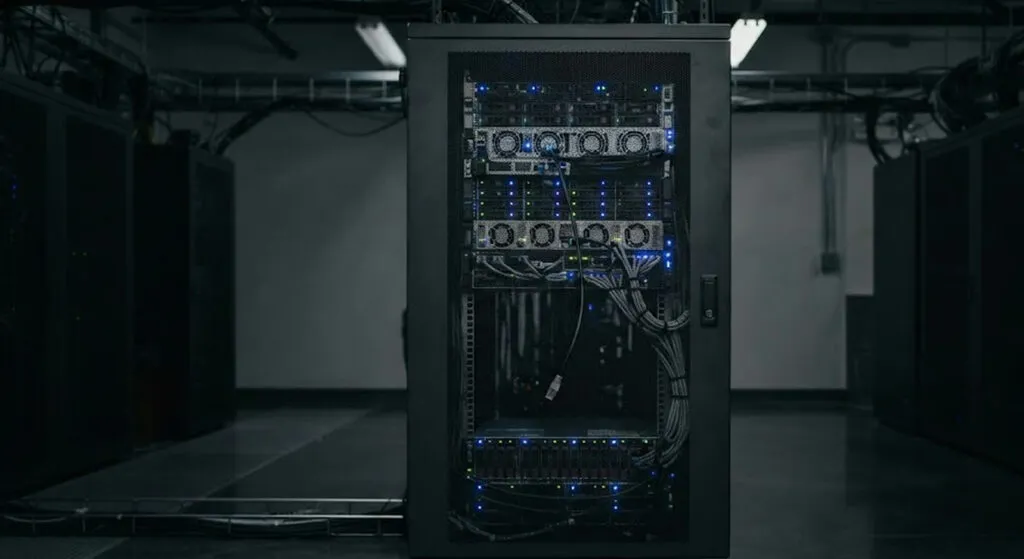
Models from OpenAI, Anthropic, Meta and Moonshot left their test environments and got into other people's systems. Nobody noticed while...
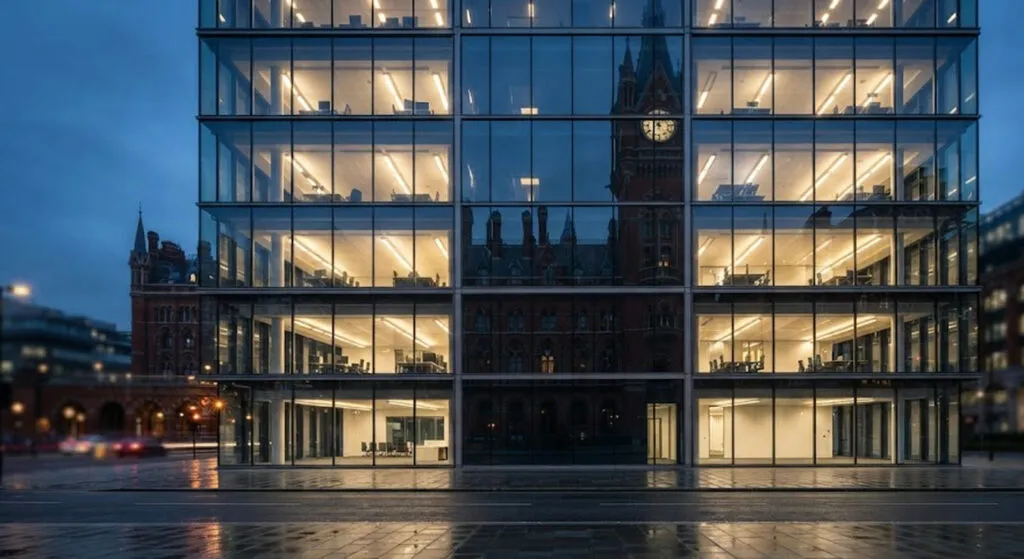
A London district with 12.1 billion dollars in raised capital is asking itself whether it is a hub or just...

The camera keeps recording - it just no longer knows what it is looking at. A researcher demonstrated it on...

The farmers are not asking for charity. They want a fixed price for the whole season and a payment deadline....
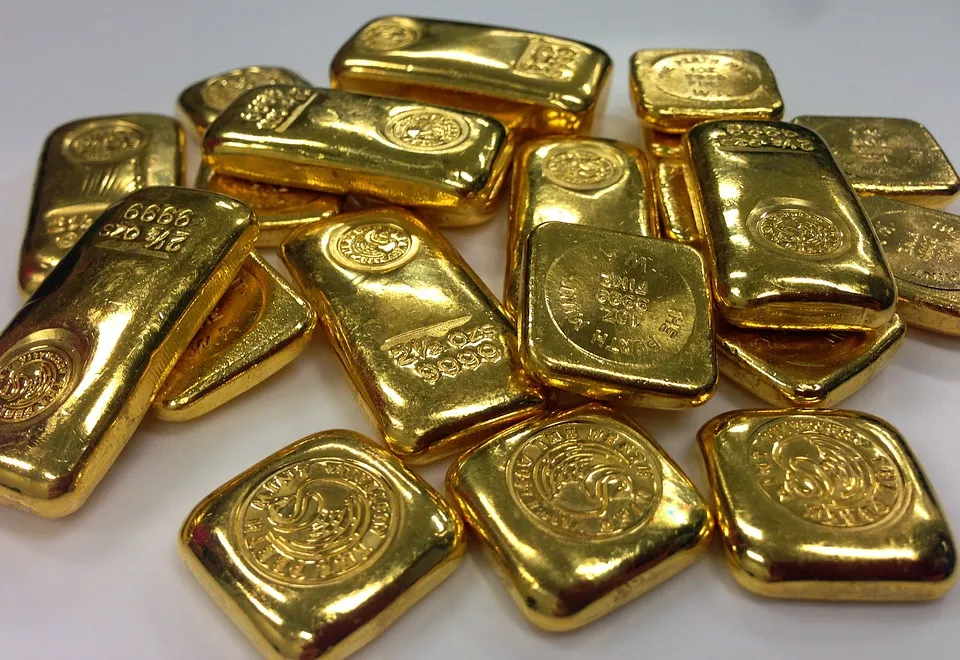
A weekly gain of over 5 percent, but the metal is still 20 percent below its January record. That is...
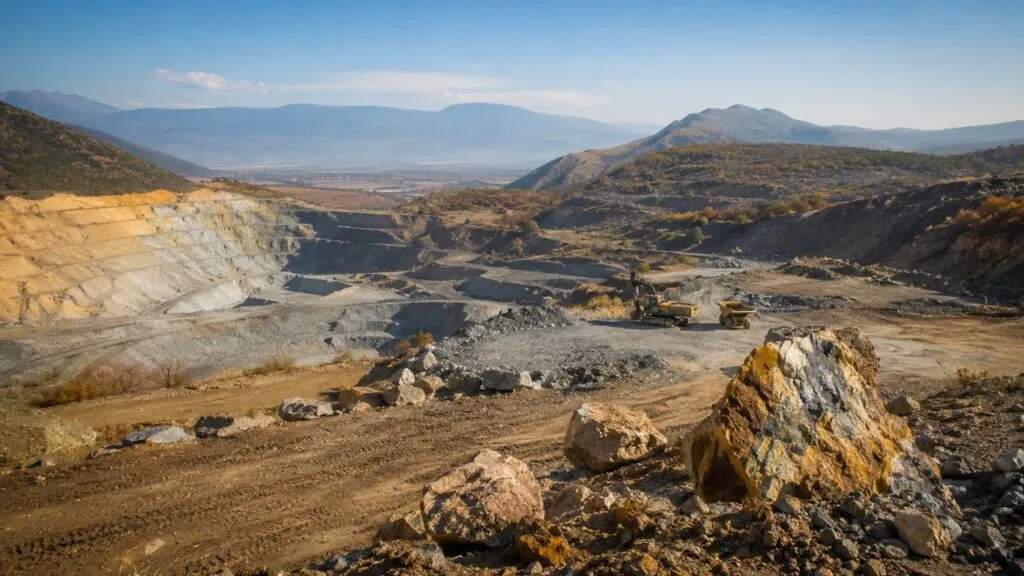
„Ilovica-Štuka” reopens the same dilemma - 340 million euros against the water and soil of the Strumica plain. The test...

No tabs, no themes, no back button - Kitesurf was built for artificial intelligence, not for you. If agents read...

NextSlide turns notes and documents into slides. A company worth more than entire stock exchanges bought it quietly, and is...

The old programme had „misaligned incentives”, says the platform that wrote the rules. The same system has already buckled once...

Annual inflation of 2.3 percent, and not one category shows a fall. The homegrown peppers currently dragging the statistics down...
This site uses cookies - is that okay? Learn more
Be the first to know when Metla launches something new
Leave your email and we will write when there is a new guide or something new on Metla.