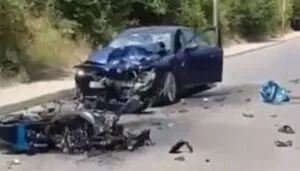
Prosecutors set out the sequence in Radišani: the driver cut off 19-year-old Nikola, then left without helping
10.08.2026


10.08.2026

10.08.2026

10.08.2026
10.08.2026
10.08.2026

10.08.2026

10.08.2026

09.08.2026

08.08.2026
10.08.2026
10.08.2026

09.08.2026

10.08.2026

10.08.2026

10.08.2026

10.08.2026

09.08.2026

08.08.2026

10.08.2026

10.08.2026

10.08.2026

10.08.2026
09.08.2026
08.08.2026

09.03.2026

27.02.2026

19.02.2026
10.08.2026

09.08.2026

08.08.2026

23.04.2026

23.04.2026

12.04.2026
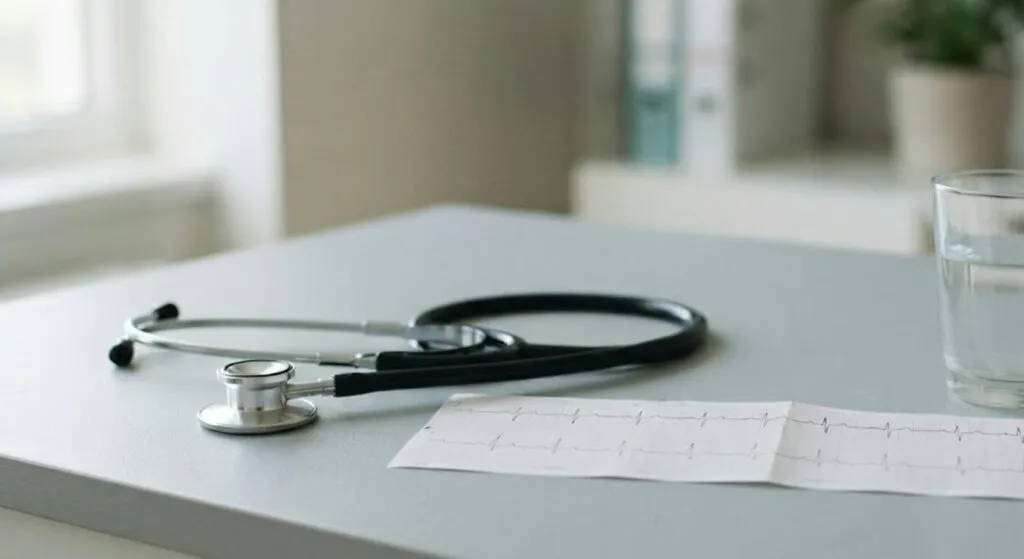
„It broke my heart” is a sentence all of us have said at least once, and all of us treat as a metaphor. For several decades science has been showing that it is more accurate than we would like to admit - and that there is a diagnosis which literally carries that name.
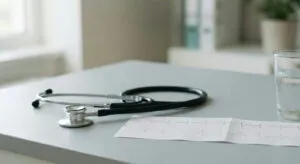
Takotsubo syndrome, better known as broken heart syndrome, occurs after sudden emotional or physical stress that triggers an excessive release of adrenaline. Dr Alfonso Valle Muñoz, head of department at the Marina Salud hospital in Dénia, notes that 85 percent of reported cases are post-menopausal women. Among the usual triggers he lists news of the sudden death of someone close, a frightening medical diagnosis, losing or even winning a large sum of money, public speaking, divorce, a natural disaster.
It looks like a heart attack, but the arteries are clear
The trickiest part is that the symptoms are practically indistinguishable from a heart attack: chest pain and shortness of breath. In takotsubo there is temporary damage to the heart muscle in which the affected part, most often the left ventricle, takes on a shape resembling an octopus trap - hence the Japanese name.
The key difference is in the origin of the problem. In a heart attack the symptoms come from complete or near-complete blockage of a coronary artery, usually from a clot formed over fatty deposits in the wall. In takotsubo the coronary arteries are not blocked at all. That is why the diagnosis has to be made in a medical facility - a heart attack is first ruled out through an electrocardiogram, blood tests with cardiac markers, echocardiography and most often coronary catheterisation or a scan. This is not something assessed at home, over the internet, or on a friend's advice.
Why the brain latches onto the rhythm
Dr Nazareth Castellanos, who has spent years explaining the link between the brain and the heart, offers perhaps the most usable part of the whole story. Speaking with Mercedes Milá on RTVE, she describes what happens when fear takes over: when a person feels bad and frightened, the heart beats very evenly, and what is very even is easier to track - so the brain latches onto exactly that signal.
From which follows something that sounds too simple to be true, and is not. Movement changes it. Walking, running, dancing - any physical activity forces the heart out of its regular pattern because it has to adapt to the effort. That variation in rhythm lets the brain stop being so glued to internal signals and widen its attention outward.
In an interview for El Mundo, Castellanos goes further: the heart is the organ that most influences how the brain works and listens to it most closely. To perceive what is happening now, the heart and the brain have to communicate in order to process all the incoming information.
What this actually means
Broken heart syndrome is rare, and most disappointments do not end as a clinical condition. But that is not the point. The point is that emotions leave a physical trace, and that the tightness in the chest after a break-up or a loss is not a figure of speech. Here, where going to a doctor because of grief is still treated as exaggeration, that is information worth more than one more piece of advice about positive thinking.
And the second point, less dramatic: the first step out of an emotional blockage is not a big one. A walk. Movement. Something that makes the heart beat less evenly than the pain does.
The latest 10 news from this category
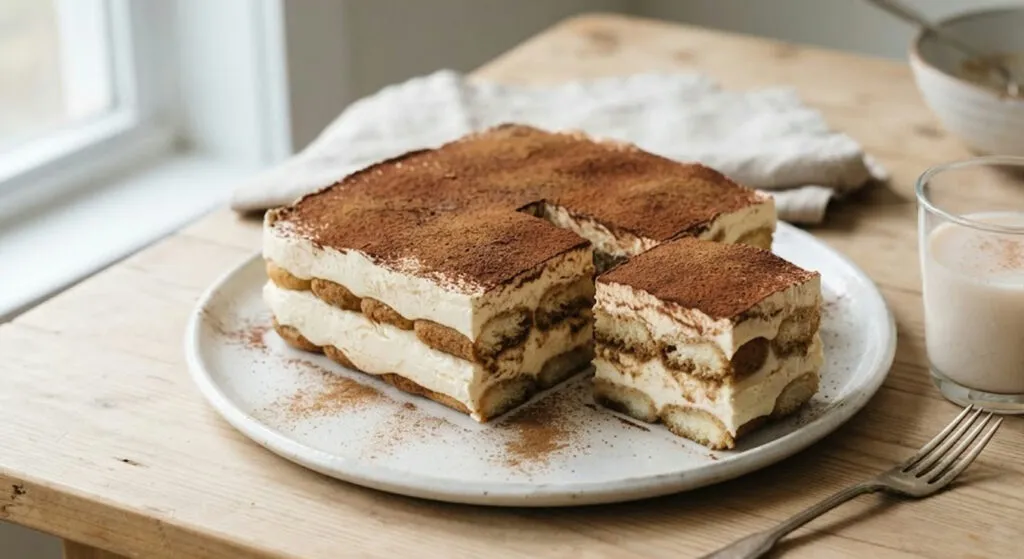
The story about the king who exclaimed „this is gold” is invented, but tiger nut really does contain neither gluten...

A brain-training expert argues there is no evidence that being hard on yourself produces better results. And the trick against...
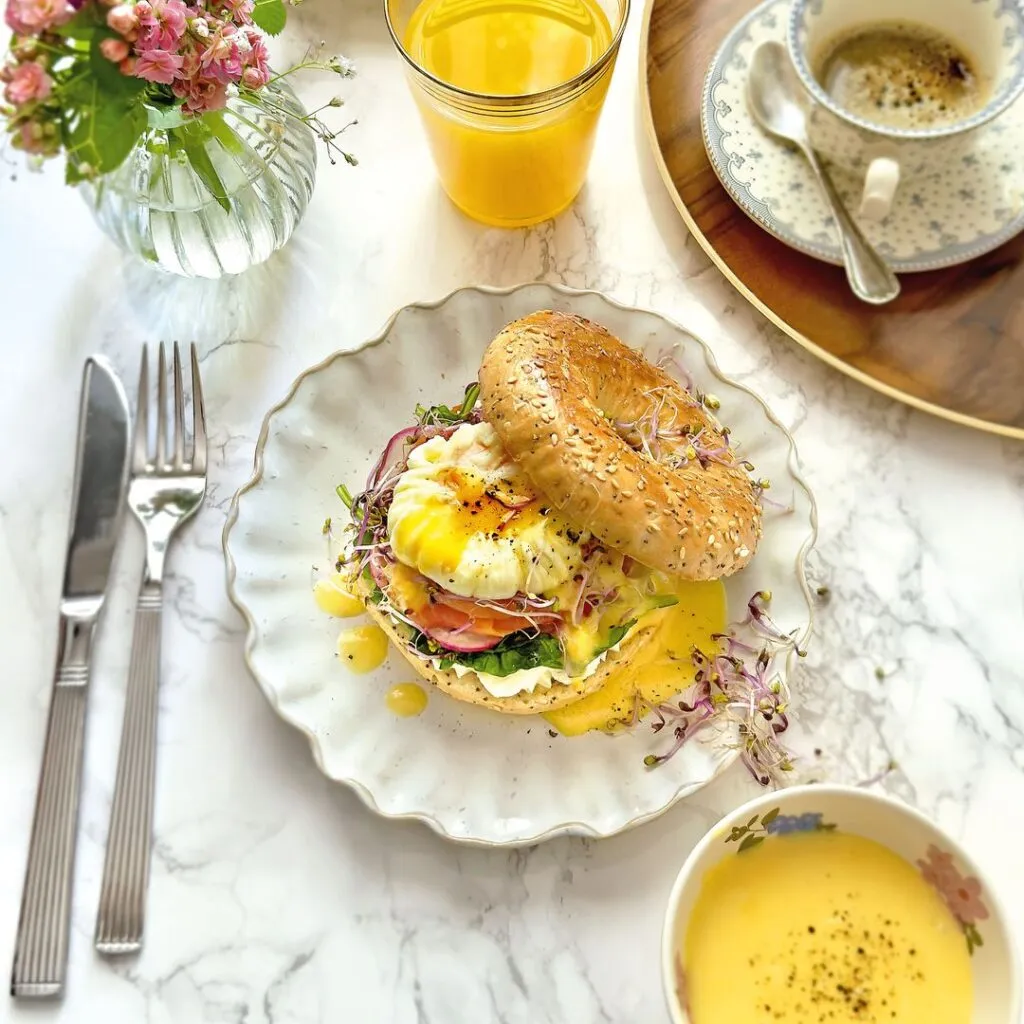
None of the three requires mastery, but all three fail in the same place. Full measures, timings, and the trick...

Years of interpretations about lost teeth and falling into a void have no scientific backing. What does have backing is...

Two steps decide everything - the marinade is not rinsed off, and after frying the fish goes on a rack,...

The symptoms don't look like an illness. They look like a person who has become rude and inattentive. Which is...
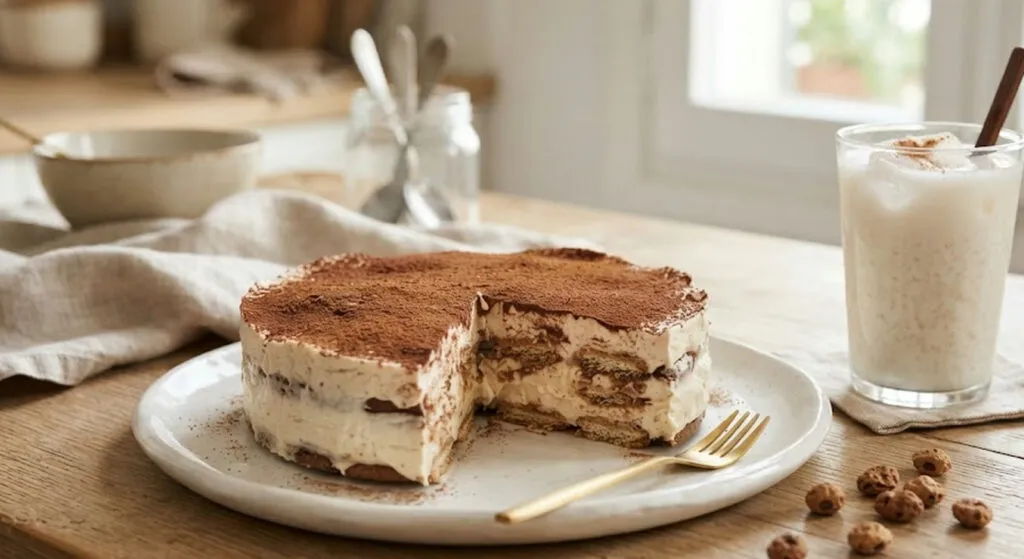
The hardest part is waiting eight hours without opening the fridge. And not holding the sponge fingers in for more...

The rule we all know by heart actually refers to fruit and vegetables together. The question is not how much...
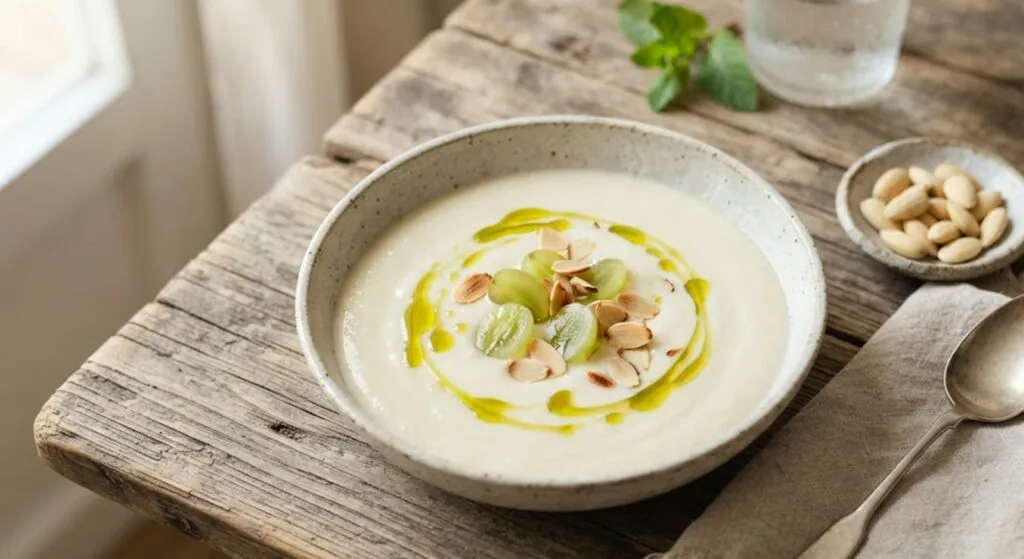
Almonds, bread and garlic - a technique from al-Andalus that survived seven centuries. Gazpacho and salmorejo are the younger versions.

At 76, Richard Gere described where he finds happiness. Psychologists have a name for it, a study with a number,...
This site uses cookies - is that okay? Learn more
Be the first to know when Metla launches something new
Leave your email and we will write when there is a new guide or something new on Metla.