

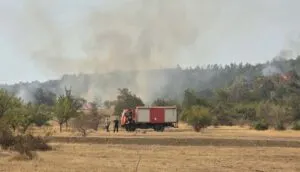
The smoke over Skopje is coming from Kosovo: for the first time our helicopter is fighting a fire outside the country
04.09.2026


04.09.2026

04.09.2026
04.09.2026

04.09.2026

04.09.2026
04.09.2026

04.09.2026

03.09.2026

02.09.2026

04.09.2026

04.09.2026

03.09.2026

04.09.2026

04.09.2026

04.09.2026

04.09.2026

03.09.2026

02.09.2026

04.09.2026

04.09.2026

04.09.2026

04.09.2026
03.09.2026
02.09.2026

09.03.2026

27.02.2026

19.02.2026

04.09.2026

03.09.2026
02.09.2026

23.04.2026

23.04.2026

12.04.2026
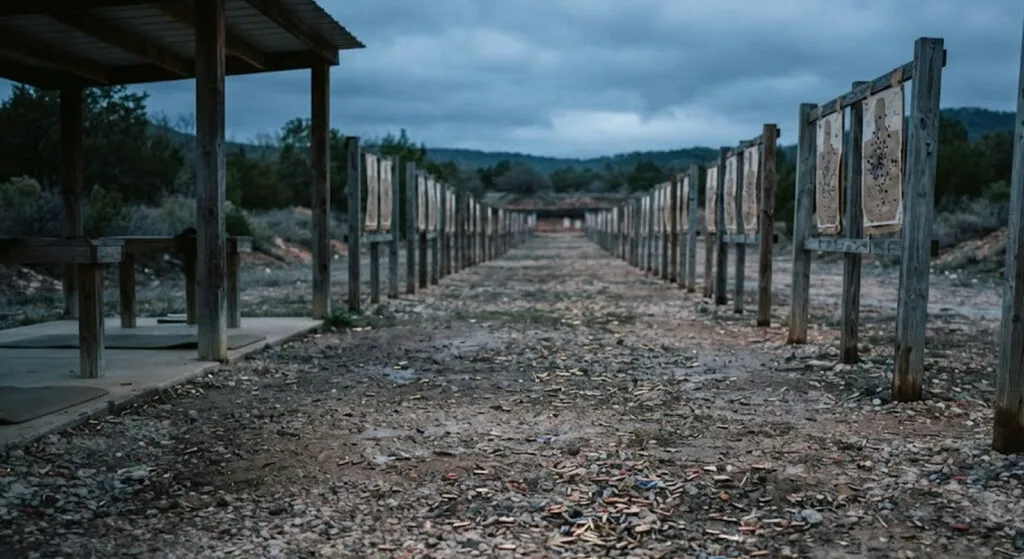
Three people were killed at a shooting range in Danilovgrad, and the man who killed them is no longer alive to explain why. All that is left is the trail he left behind - and that trail is strange even to someone who has watched Balkan crime reporting for years.
The suspect is Mihail Nikolayevich Shabunin, a Russian citizen born in February 1996 in the town of Osa, later moved to Perm. He entered Montenegro by bus from Serbia via the Dobrakovo border crossing on 7 July 2026. What followed is the part that troubles investigators: in just six days, from 7 to 12 July, he crossed the state border eight times, travelling by bus to Bosnia and Herzegovina and returning through the Sitnica, Šćepan Polje and Vraćenovići crossings.
Eight crossings in six days is not tourism. It is either logistics, or a test of something. Montenegrin police and the National Security Agency are now requesting data from partner services abroad to establish who he was in contact with before and during his stay.
The victims are Nemanja Kapor (20), Petar Globarević (24) and Momir Radonjić (67) - employees of the Češka zbrojovka shooting range. They were killed on Monday. The killer then stole weapons and ammunition and took the car of one of the victims.
The footage that unsettled investigators
The whole crime was recorded by security cameras. According to sources who have seen the footage, Shabunin fired from two pistols at once, and his movement and reaction speed point to skills far beyond those of an ordinary visitor to a range. Some Montenegrin media reported that he was a professional shooter or a man with elite firearms training.
Hence the direction of the investigation: whether Shabunin went through military or specialised training and whether he was on the battlefield in Ukraine. There is no official confirmation of that. Russian media have so far published nothing about any military service.
What is known is far more mundane. According to regional media from Perm, he worked as a shop assistant in a sports equipment store and was into mountain running, skiing and hiking. He made solid wood furniture to order. According to records of the Russian bailiff service, he had at least two debts in Russia totalling around 500,000 roubles - roughly 5,000 euros. By Perm standards that is not pocket change. Enforced collection began in late 2025 and early 2026. According to the Telegram channel that first published data on his movements, criminal proceedings for bodily harm had also been opened against him in Russia, so he left in a hurry - and moved to the Balkans.
The Balkans as a waiting room
And that is where the story stops being only Montenegrin. A man with debts, criminal proceedings and suspicious training moves to the Balkans because it was easy to get in. No system flagged him as a risk - the head of the police directorate confirmed that Shabunin was not listed as a person of security interest, even though he had been at the range several times before.
The day before the crime he spent time with some young men by the river Zeta, left them his phone number and walked off with a black backpack. After the crime they recognised him from the news about the manhunt and called the police. The taxi driver who drove him to Herceg Novi also went to the police - Shabunin had left him his passport and phone as security, promising to pay later. The manhunt, which involved special units and a Montenegrin army helicopter, lasted until 3:35 in the morning, when Shabunin killed himself in a forest above the Topla neighbourhood.
So: the system did not catch him. Some lads from the river and one taxi driver did.
The visas are coming - after everything already happened
Until now Russian citizens could enter Montenegro visa-free for up to 30 days, with a valid passport and an obligation to register within 24 hours. Under a decision of the Montenegrin government of 23 July 2026, aligned with Schengen and EU visa policy, from 1 November 2026 they will need a visa for every entry. The only exceptions are those holding a valid Schengen, US or UK visa, or a residence permit in a Schengen country.
The decision was taken in July - so before the crime, and not because of it. But the date it takes effect is November, and Shabunin entered in July. How many people with a similar biography used that same gap in the meantime? That is the question no service in the Balkans is asking out loud so far.
The latest 10 news from this category
A flag-draped coffin, people on the bridges and a state protocol for a man who died a convicted génocidaire. What...
After nearly a year of protests since the canopy collapse in Novi Sad, Belgrade has a date. Elections are a...
Drashko Stanivukovikj says this is not glorification but respect for soldiers. His statement has a homeland, it has NATO, it...
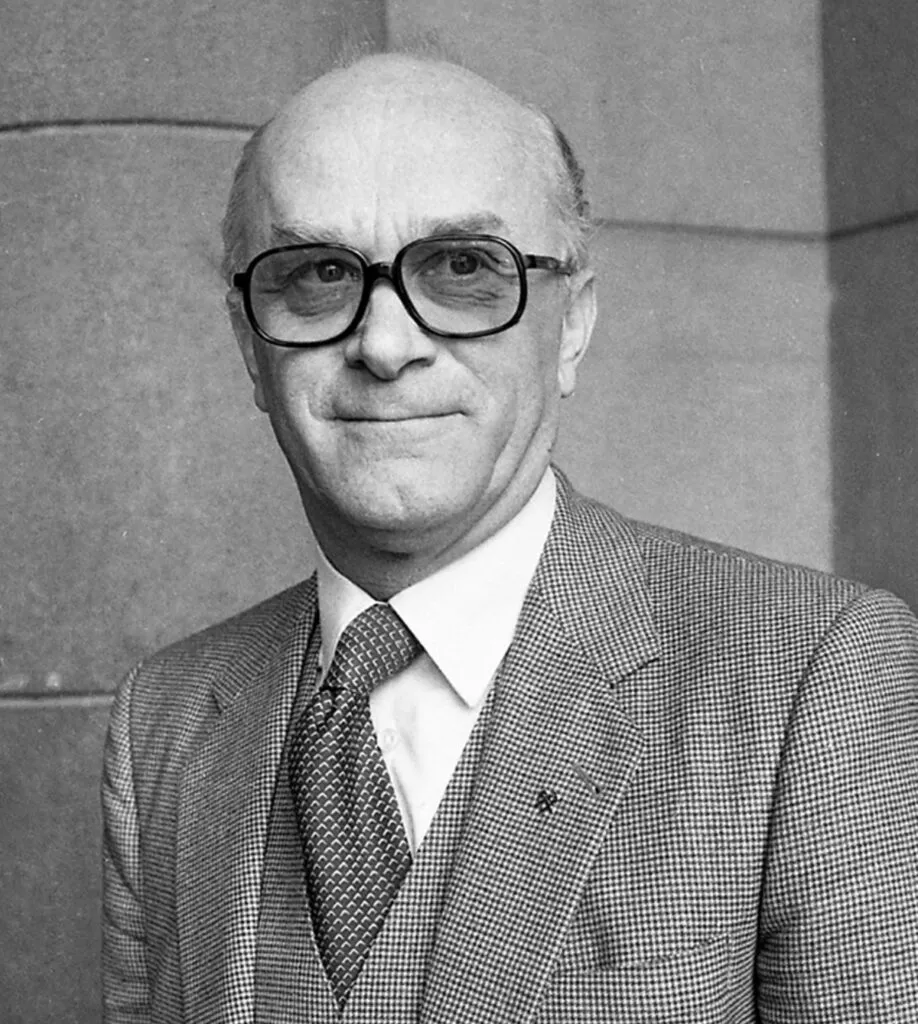
The last surviving president of the SFRY Presidency has died in his hundredth year. The rotation was designed to stop...
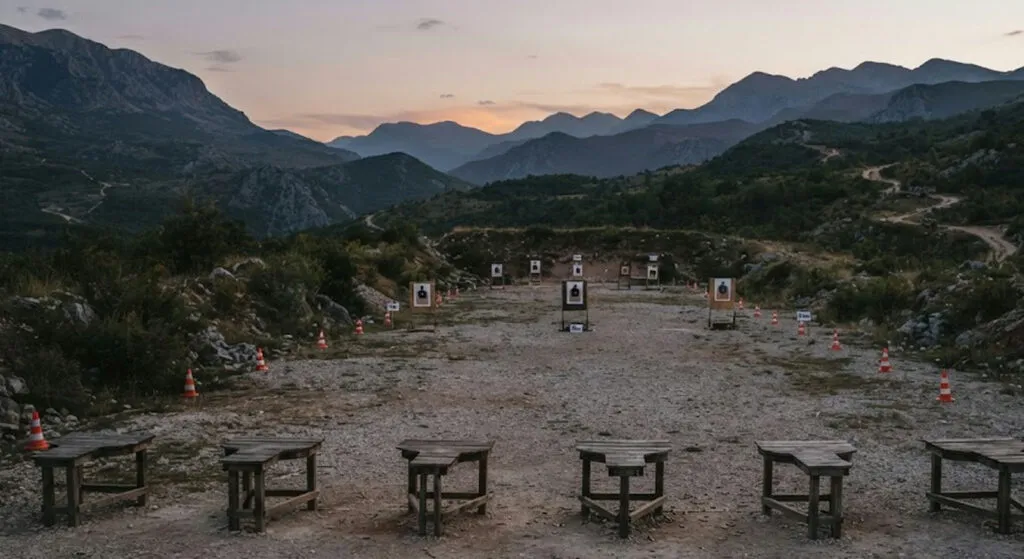
Three employees killed in the afternoon, a helicopter manhunt through the night, two days of mourning. We will learn the...
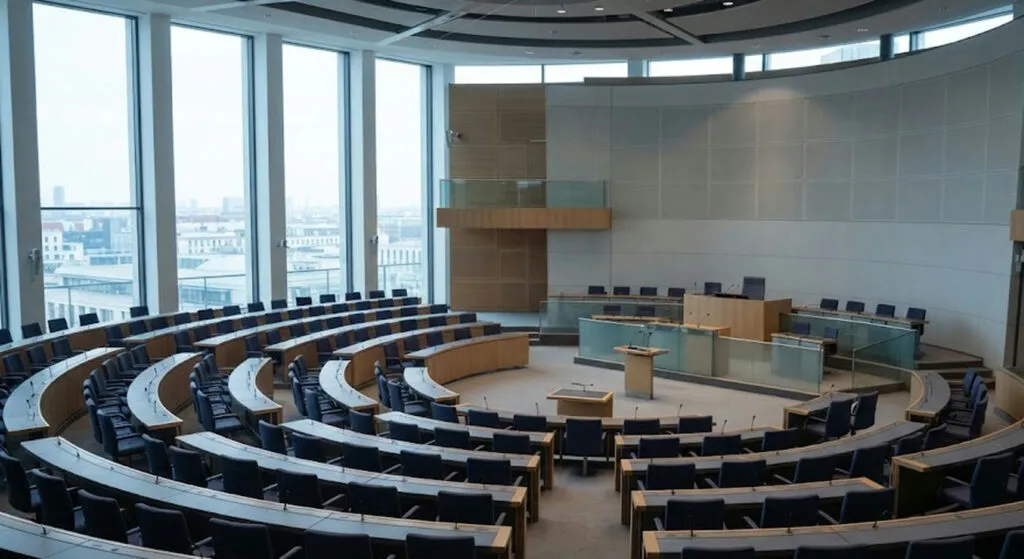
Kurti and the LDK have agreed on Bekim Sejdiu. Two years of stuck institutions and three election cycles over a...
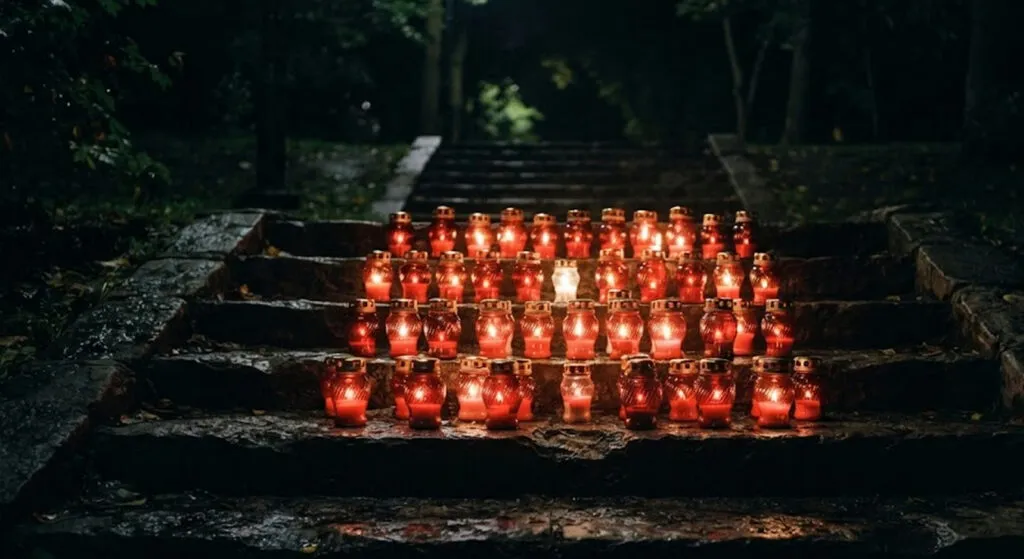
Candles, torches and kissed flags in at least five towns. Glorifying a man convicted of genocide is a criminal offence...
Ten thousand pieces of evidence, 591 witnesses and a final conviction for genocide. Belgrade calls him a general and is...
Convicted of genocide, he died in detention in The Hague. And over the next 24 hours the government and the...
The man convicted of genocide in Srebrenica died in custody in The Hague. The same day, the head of Montenegro's...
This site uses cookies - is that okay? Learn more
Be the first to know when Metla launches something new
Leave your email and we will write when there is a new guide or something new on Metla.
