

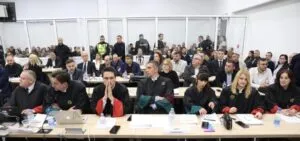
Experts on the Puls fire: the ceiling foam released cyanide as it burned, and the inspector could and should have shut the place down
02.09.2026


02.09.2026
02.09.2026
02.09.2026

02.09.2026
02.09.2026

02.09.2026
02.09.2026
01.09.2026

31.08.2026

02.09.2026

02.09.2026

01.09.2026

02.09.2026

02.09.2026

02.09.2026

02.09.2026

01.09.2026

31.08.2026
02.09.2026

02.09.2026

02.09.2026

02.09.2026
01.09.2026
31.08.2026

09.03.2026

27.02.2026

19.02.2026
02.09.2026

01.09.2026
01.09.2026

23.04.2026

23.04.2026

12.04.2026
Drashko Stanivukovikj, the mayor of Banja Luka, will attend Ratko Mladic's funeral and hopes the day will be declared a day of mourning. Asked whether that amounts to glorifying war crimes, he answered with a question of his own: "What kind of shameless term is that, what glorification?"
His version is that Mladic was a general who "did not choose his profession, the profession chose him in the worst of times to defend the homeland." Attending the funeral, he says, is a natural expression of respect for the fallen soldiers of the Army of Republika Srpska. He expects the day of the funeral to be declared a day of mourning across all Serb territories.
On the possible legal consequences - proceedings against him are already under way - Stanivukovikj is brief: "I don't care about that at all. What I know is the truth, and it remains the truth."
What the judgment says, and what the mayor does not
Mladic died on 27 August in the detention unit in The Hague. He was convicted of the gravest crimes committed in the wars in Croatia and Bosnia and Herzegovina, including the genocide in Srebrenica, where more than 8,000 Bosniak men and boys were killed. That is not a contested interpretation - it is a final judgment of an international court.
In Stanivukovikj's entire statement, Srebrenica is not mentioned once. There is a homeland, there are fallen soldiers, there is a NATO that bombed, there is a world that was against them. There are no eight thousand names. That is not an omitted detail - it is the whole construction: take the heaviest part out of a man's biography, and all that remains is a general who defended his country.
The question is not about the man, but about the office
Stanivukovikj has a right to his opinion as a citizen. But he is not speaking as a citizen - he is speaking as the mayor of the largest city in Republika Srpska, and about declaring an official day of mourning. That is an institutional act, not private respect. The distinction is fundamental, and it is precisely that distinction which makes this more than one more statement.
The Balkans has a long practice of negotiated remembering - everyone recalls their own victims with full precision, and everyone else's through fog. Thirty years on, the mayors in the towns change, but the sentence "the whole world was against us" is passed down unchanged, like an inheritance nobody wants to open.
The latest 10 news from this category
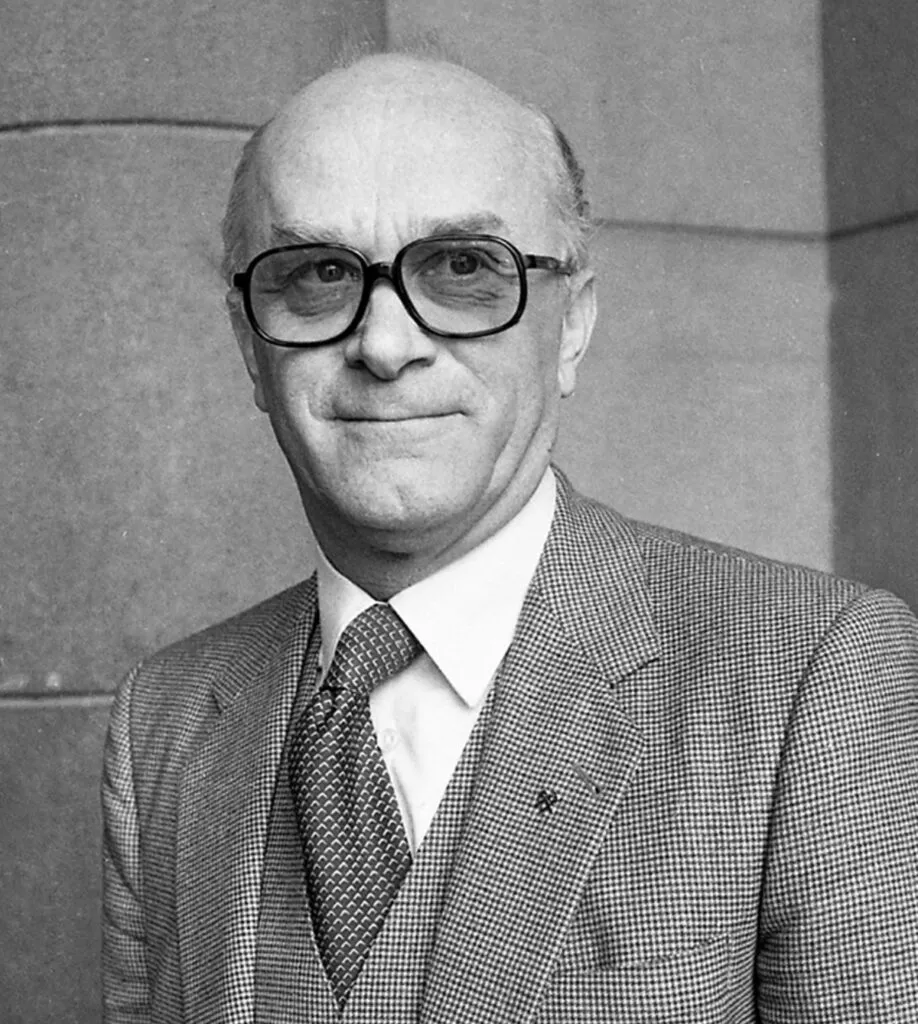
The last surviving president of the SFRY Presidency has died in his hundredth year. The rotation was designed to stop...
Three employees killed in the afternoon, a helicopter manhunt through the night, two days of mourning. We will learn the...
Kurti and the LDK have agreed on Bekim Sejdiu. Two years of stuck institutions and three election cycles over a...
Candles, torches and kissed flags in at least five towns. Glorifying a man convicted of genocide is a criminal offence...
Ten thousand pieces of evidence, 591 witnesses and a final conviction for genocide. Belgrade calls him a general and is...
Convicted of genocide, he died in detention in The Hague. And over the next 24 hours the government and the...
The man convicted of genocide in Srebrenica died in custody in The Hague. The same day, the head of Montenegro's...
He died in UN custody, aged 84, under a final life sentence for genocide. And in parts of the region...
The second most senior figure in the Croatian state briefing his own diplomats on what to convey abroad. On the...
The deputy head of Russia's Security Council accused Western states of double standards, invoking Kosovo. The point was not the...
This site uses cookies - is that okay? Learn more
Be the first to know when Metla launches something new
Leave your email and we will write when there is a new guide or something new on Metla.
