НАУЧНИЦИТЕ ОТКРИЈА: ТАЈНАТА НА ПОБАВНОТО СТАРЕЕЊЕ МОЖЕ ДА СЕ КРИЕ ВО НАШИТЕ ЦРЕВА!
27.10.2026


27.10.2026
27.10.2026
27.10.2026
27.10.2026
27.10.2026
27.10.2026

27.10.2026
27.10.2026
26.10.2026

27.10.2026

27.10.2026

26.10.2026
27.10.2026
27.10.2026
27.10.2026

27.10.2026
26.10.2026
25.10.2026

27.10.2026
27.10.2026

27.10.2026

27.10.2026
26.10.2026
26.10.2026
27.10.2026
26.10.2026
24.10.2026

23.04.2026

23.04.2026

12.04.2026

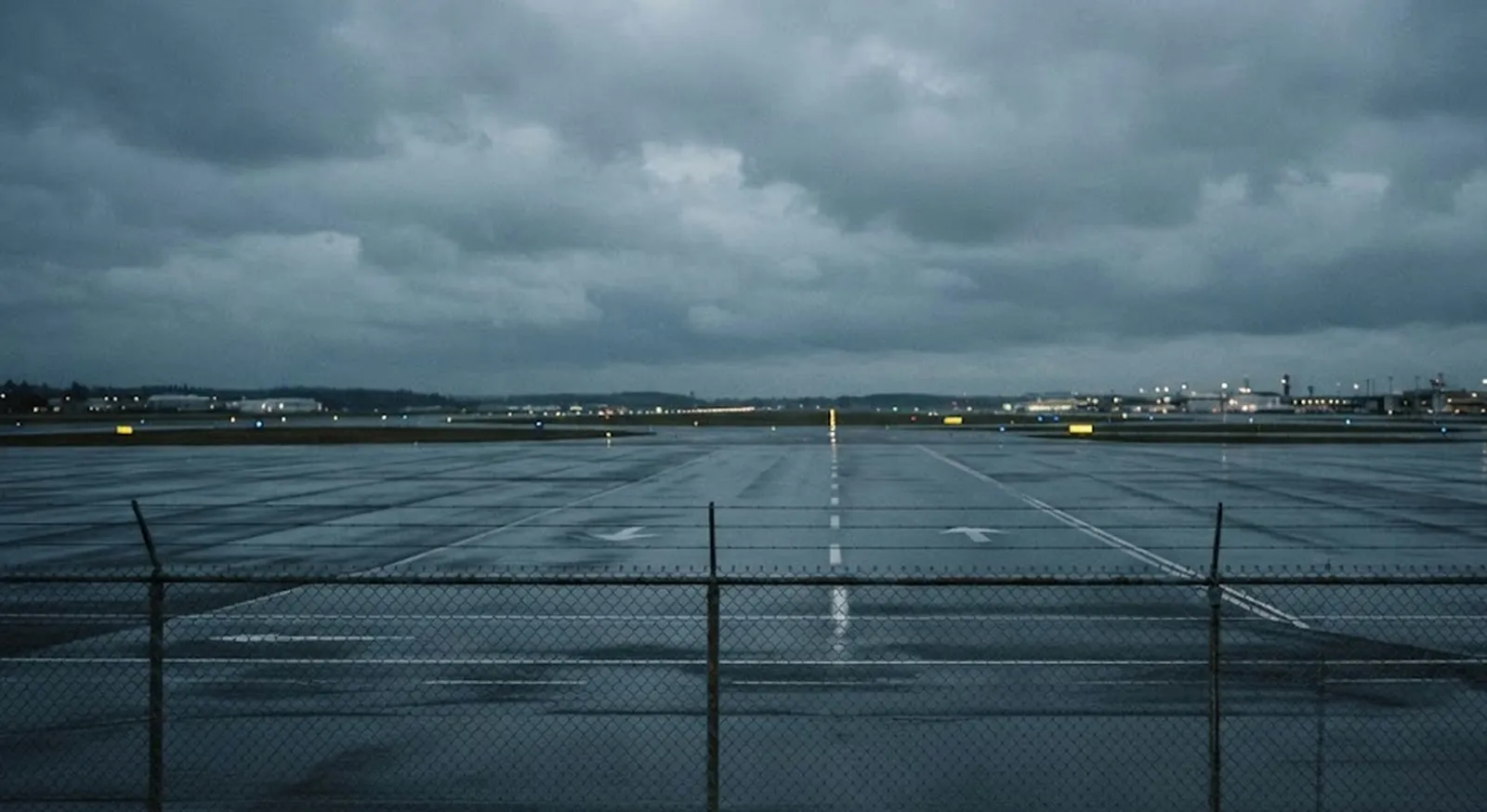
A government plane landed at Belgrade airport shortly before 6pm. On board - a flag-draped coffin, his son Darko, his granddaughter Anastasija and two military escorts. The convoy then crossed the city towards the Military Medical Academy, and people were standing on the bridges. Some with three fingers raised, some simply in silence. The Balkans was again watching a scene it knows by heart.
Ratko Mladić died on 27 August in detention in The Hague, aged 84. He died in prison, which he entered after the International Criminal Tribunal for the former Yugoslavia found him guilty in 2017 on ten of eleven counts - among them genocide, crimes against humanity, extermination, murder and terrorising civilians. In June 2021 the appeal was rejected and the life sentence became final. Before that he had spent 15 years as a fugitive, hidden in the country that is burying him today.
A verdict is not an item open to interpretation
This is the part that always gets lost in the retelling. The court did not rule that Mladić "fought a hard war" or that he "made mistakes". It ruled that he commanded an operation in which more than 8,000 Bosniaks were executed near Srebrenica over a few days in July 1995, and that he held a city under siege for three and a half years. That is the fact. That fact does not change according to who is standing on the bridge, nor according to which flag the coffin is draped in.
And around that fact a ceremony is now being built. The commemoration is scheduled for Saturday at noon at the Army Hall in Belgrade. The funeral is on Monday at Topčider cemetery, and beforehand the body will lie in the church of Saint Luke at Košutnjak, where citizens will be able to pay respects from 9am to 12:30. The service at 12:35, then the procession. A schedule written with the precision of a state protocol, for a man who died a convicted génocidaire.
Who is organising this?
That is a question worth asking, because the answer is not neutral. The Army Hall is not a private venue. When a state institution opens its doors for the commemoration of a convicted war criminal, that is not a family matter - it is a message, and that message is read in Sarajevo, in Zagreb, in Pristina and here.
The region is not made up of separate states watching separate television. Everything that happens in Belgrade is seen in Sarajevo the same day, with the same intensity and with an entirely opposite emotion. Every scene like this pushes the temperature back to levels that diplomacy then has to work on for months.
And that is where the real problem lies. Nobody disputes that a family wants to bury its own - that right is not being contested. What is contested is when a funeral stops being a funeral and becomes a political stage, with institutions lending it their weight. Anyone who has lived even once in this half of Europe knows the difference between those two things.
Thirty years on, the Balkans still has not agreed on what happened. The court agreed. The lists of the killed exist. The graves have been exhumed and the bodies identified by DNA. But the fact that something has been proven in court is evidently not enough to stop it being negotiated in public squares. How many more generations have to pass before a verdict means a verdict?
The latest 10 news from this category
The mother of Stefan Hrka, killed under the collapsed canopy in Novi Sad, came for an apology, while the editor...
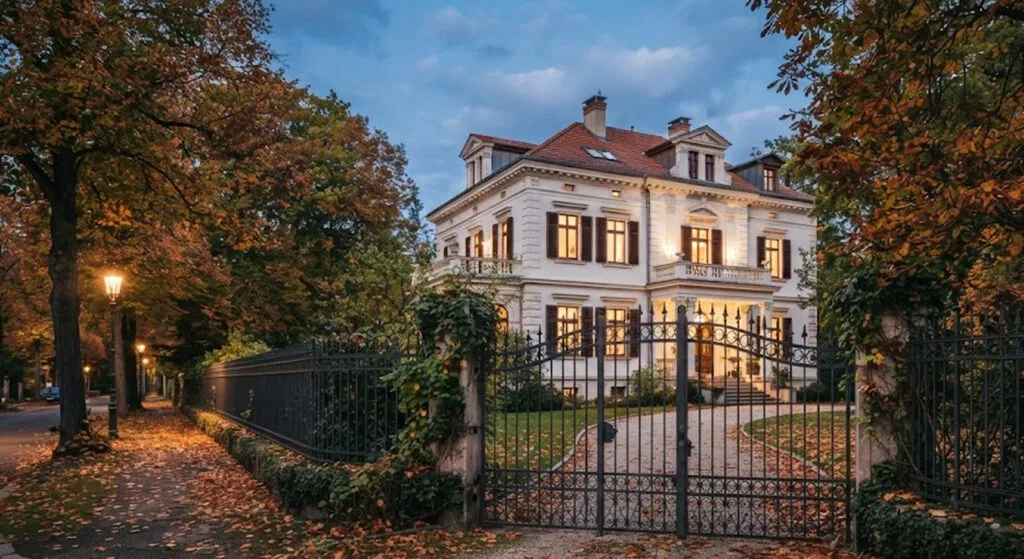
Nikolić has lived in a state villa for nine years after his term ended, Brnabić in Jovanka Broz's former home....
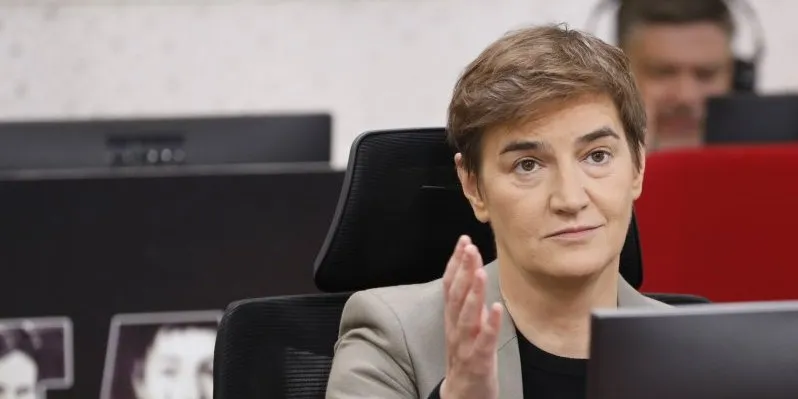
Vučić conceded on election night itself, and his people are already writing the winner's agenda: Russia, NIS, devaluation. How many...
The winner of Serbia's election says the undiplomatic outbursts towards the region were born in Vučić's head. His first conversation...
Germany's far right mourns Vučić's defeat with the words "we've lost" - as if Serbia were its property. Moscow, meanwhile,...
Doctors, professors, actors and one engineer who warned before the canopy fell. A list without a leader has toppled the...
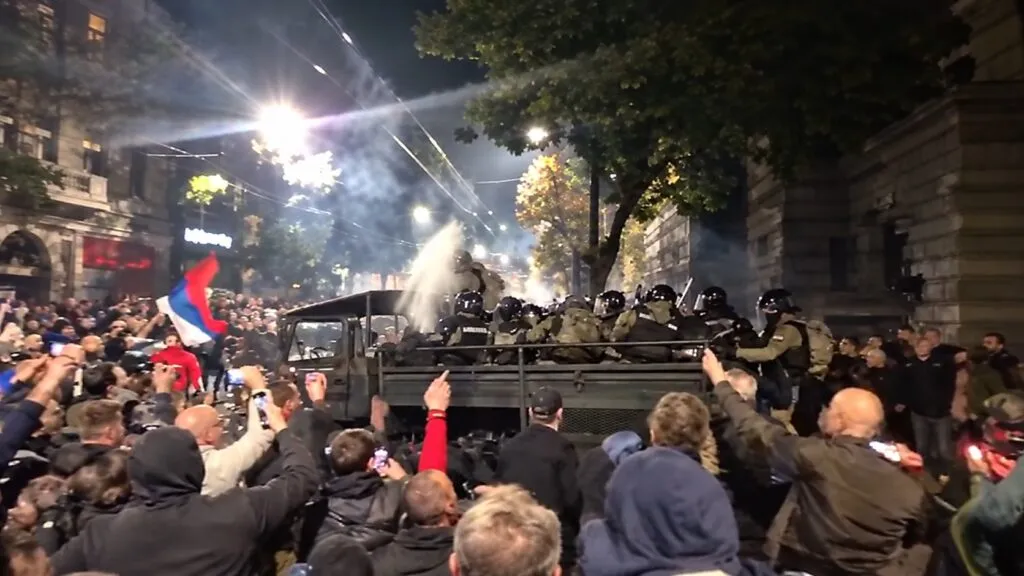
The police that spent two years breaking up protests left to whistles and jeers, and the park of Vučić's supporters...

The man who ran Serbia for more than a decade read out the numbers himself: around 1.72 million votes for...

He lost the election, and one of his first messages was about Moscow. Serbia has so far refused sanctions on...
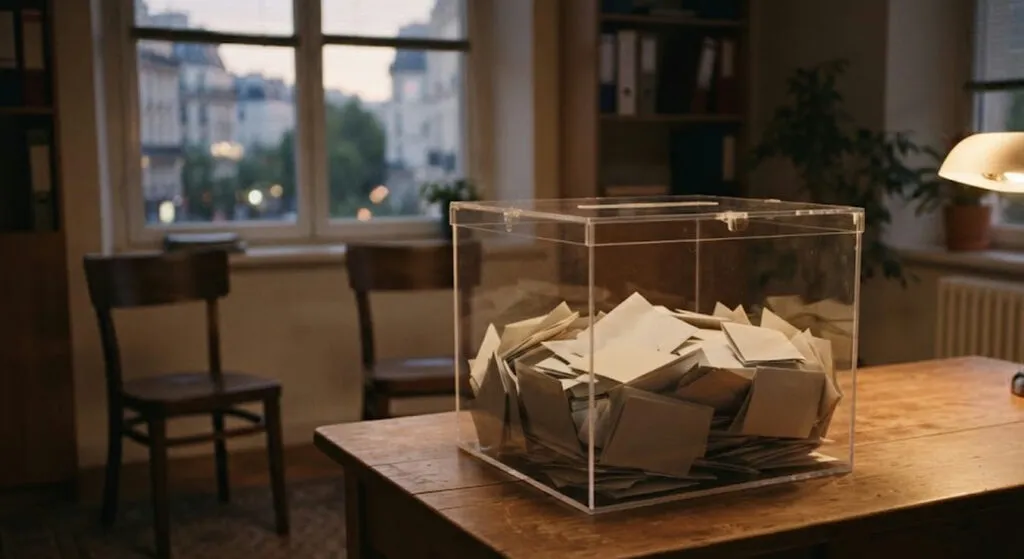
In Bijeljina 1,543 to 335, in Lopare 533 to 47. And Vučić himself announced changes in relations with Republika Srpska...
This site uses cookies - is that okay? Learn more
Be the first to know when Metla launches something new
Leave your email and we will write when there is a new guide or something new on Metla.