

Expert witness at the Puls trial: the change-of-use application had to come from the owner, not the tenant
26.08.2026


26.08.2026
26.08.2026
26.08.2026
26.08.2026
26.08.2026
26.08.2026
26.08.2026
25.08.2026

24.08.2026

26.08.2026

26.08.2026

25.08.2026
26.08.2026

26.08.2026
26.08.2026
26.08.2026

25.08.2026

24.08.2026
26.08.2026

26.08.2026

26.08.2026

26.08.2026

26.08.2026

25.08.2026

09.03.2026

27.02.2026

19.02.2026
26.08.2026
25.08.2026

24.08.2026

23.04.2026

23.04.2026

12.04.2026
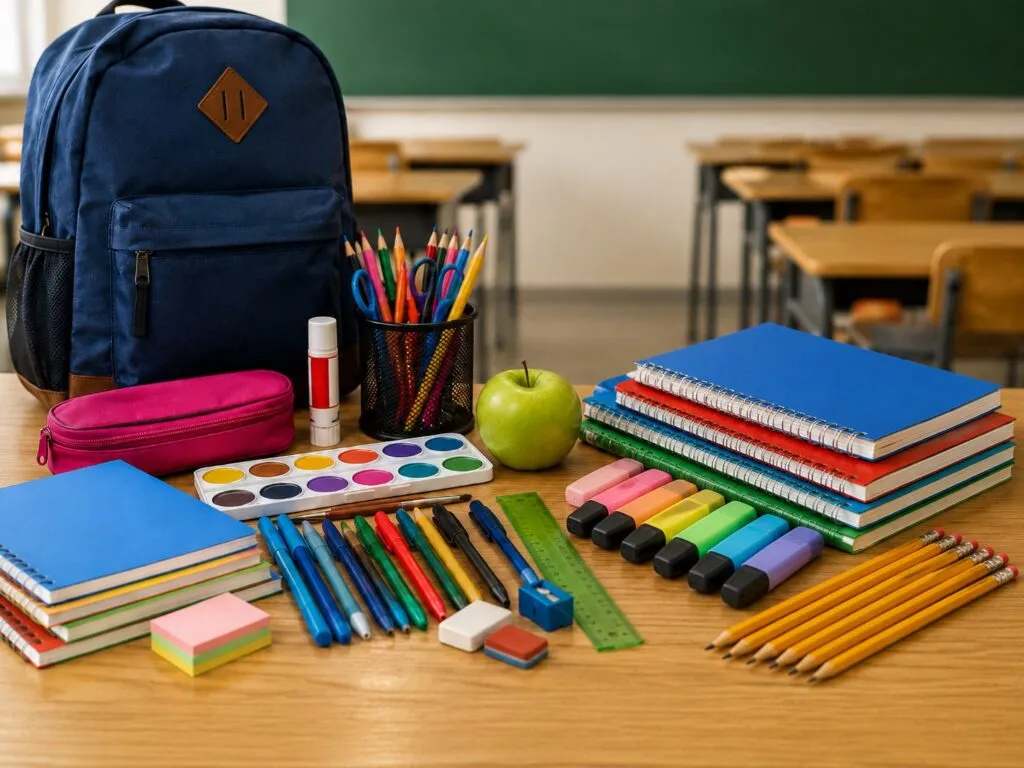
From today until 30 September, retailers are obliged to sell school supplies at prices at least 15 percent lower. Wholesalers - at least 10 percent. The government took the decision at a session, and the list is long and covers almost everything.
Backpacks and bags, notebooks, pads, collage sets, pencils and pens, crayons, plasticine, modelling dough, mats, felt-tips and highlighters, tempera, acrylic and watercolour paints with brushes, rulers, teaching materials, sharpeners, erasers, children's scissors, cases, glues, compasses, calculators, decorative paper, folders, cardboard bags.
"With the start of the new school year our aim is to help families reduce their costs and to protect citizens' standard of living," said government spokesperson Marija Miteva.
The reference price is from 1 June
The detail that makes the measure verifiable is the obligation on retailers to display, alongside the new price, the old one - the price in force on 1 June 2026. That is precisely the base from which the reduction is calculated.
That is well designed. Without a fixed reference date, the mechanism gets bypassed by raising the price in July and "discounting" it in August - a trick every shopper recognises from seasonal sales. With a date of 1 June, on paper at least, that room is closed off.
The question that remains is who will walk into the stationery shops to check whether the old price really is the old price. The decision prescribes the obligation; enforcement is another matter.
What a first-grader actually costs
Here is the part that does not appear in the government statement. Basic school supplies with a backpack need at least around 2,500 to 3,000 denars. For a first-grader, who is usually kitted out almost from scratch, the bill runs from 5,000 to 10,000 denars.
The largest share of the cost is the backpack - from around 1,000 denars for simpler models to 4,000 or 5,000 for the pricier ones. Last year the upper end was around 3,000 denars. Notebooks start at 15 to 25 denars, and art supplies, felt-tips, tempera paints and pencil cases easily add a few hundred more.
According to the trade union minimum basket, education costs in August 2025 were 7,097 denars, and this year 7,192. That is a rise of about 1.3 percent year on year - so the overall cost is not spiking dramatically, but on individual items, backpacks in particular, the increase is substantial.
What it covers, and what it does not
With a 15 percent cut, a 3,000-denar basket brings a saving of around 450 denars. On a 5,000-denar outlay, the saving is around 750. According to the authorities, over the previous two years the measure allowed families to save around two thousand denars per pupil.
But the calculation does not include clothing, footwear and sports kit - costs that traditionally arrive together with 1 September and are subsidised nowhere. The real amount for fully kitting out a child is considerably higher than the sum the discount applies to.
This year also uses a different model from the previous two. Each shop assembles its own package, so the price depends on which products it offers, on the brand and on the quality. That gives retailers flexibility, but it also leaves them room to fill the basket with the cheapest items they stock.
The measure is concrete and it will matter to families. It is just worth knowing exactly what it means: a few hundred denars off a bill that, for a first-grader, starts at five thousand.
The latest 10 news from this category
The railways owe 175 million, the municipalities are growing fastest. Owed to private firms - over 315 million euros of...
The highest prices since 2022, and a measure already used once is now on hold. The threshold that would trigger...
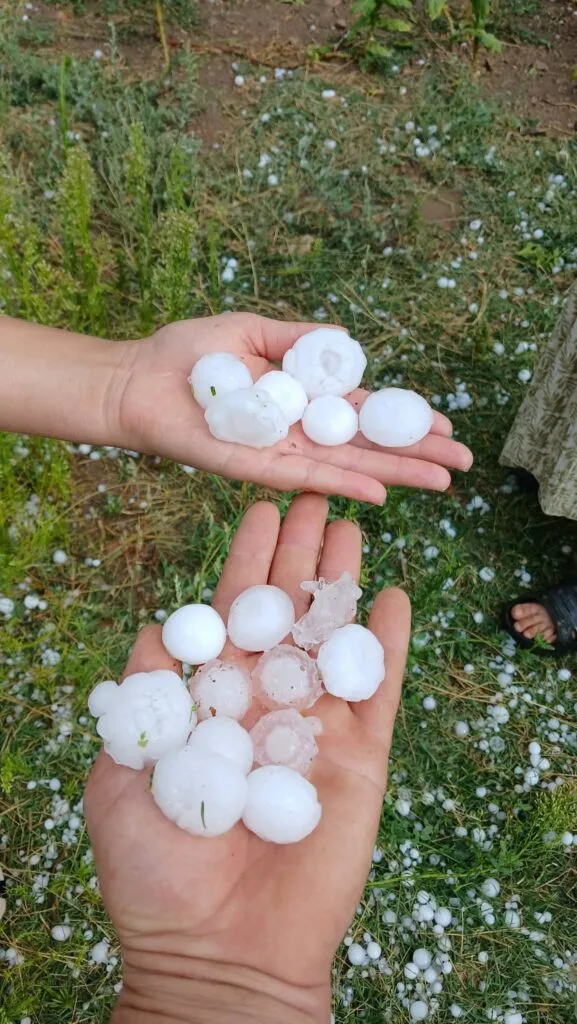
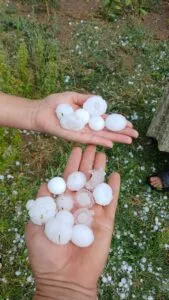
Walnut-sized hail wiped out an entire season around Dolneni. The mechanism that tied the purchase contract to the insurance contract...
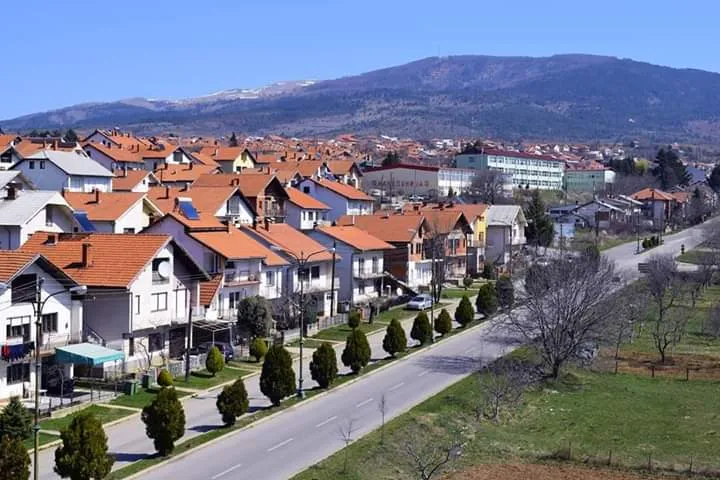
VMRO-DPMNE, SDSM and ZNAM voted the same way. The mayor says the law bars him from naming the investor -...
The head of data centres lasted seventeen months and walked. The company says it merely reorganised - the same thing...
When your potential litigants come in as your investors, the copyright dispute gets settled in the boardroom rather than the...
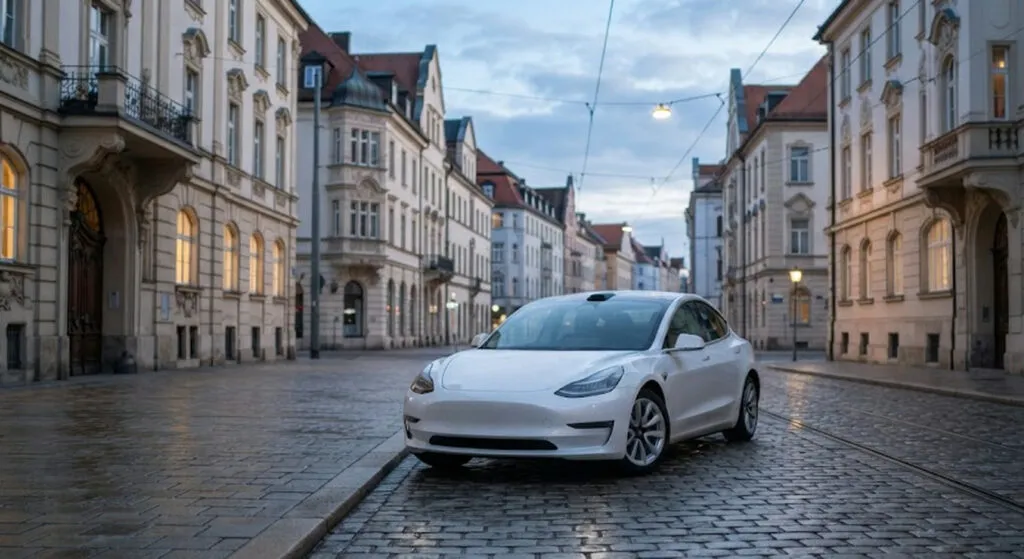
Munich is not getting robotaxis because it is a rich city, but because someone five years ago wrote a rule...
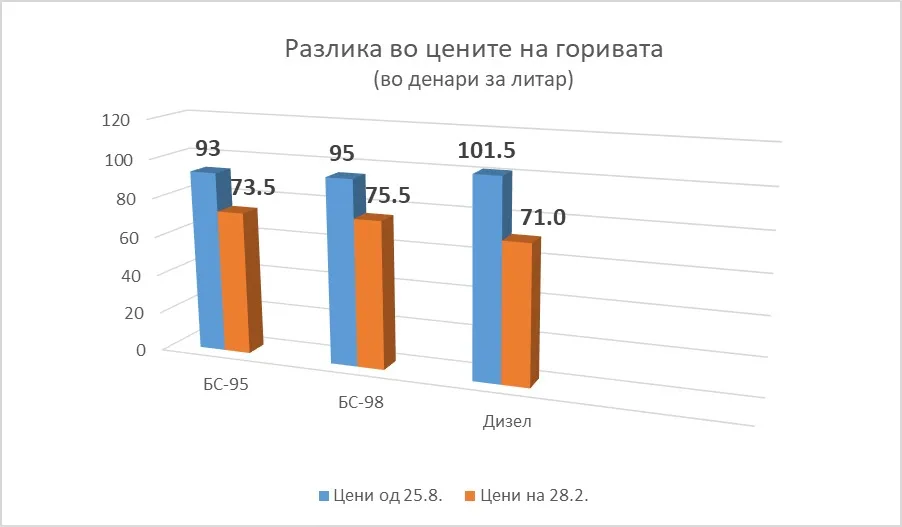
One tank now costs 1,525 denars more than in February. And that is with VAT cut and excise duties cut...
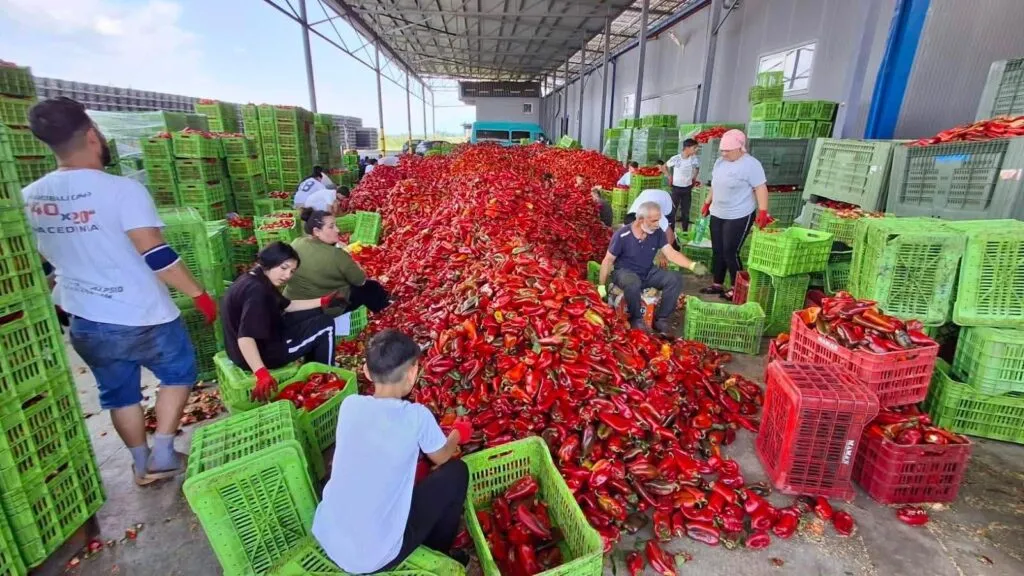
The price fell back to 25 denars, even though a higher one was agreed with the minister mediating. Farmers are...
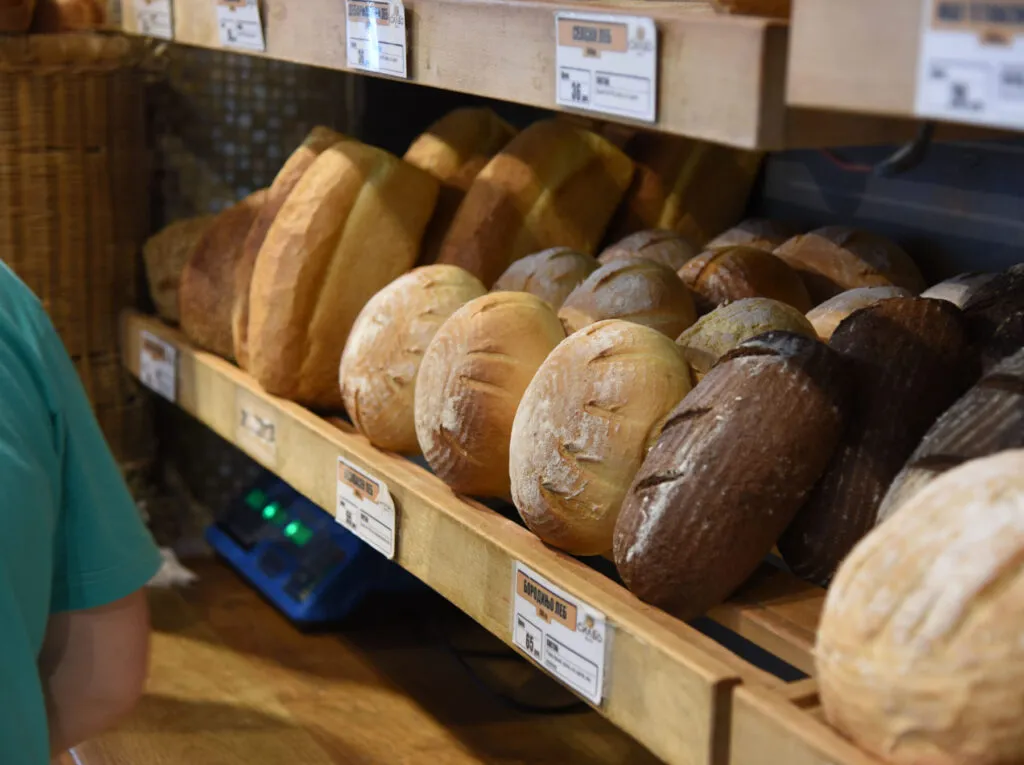
The figure refers to a global commodity index, not to the Macedonian checkout. Wheat is the most exposed, and the...
This site uses cookies - is that okay? Learn more
Be the first to know when Metla launches something new
Leave your email and we will write when there is a new guide or something new on Metla.
