


Over 20 shops burned down in Suto Orizari: 15 firefighters and three and a half hours fighting the blaze at 3am
12.09.2026


12.09.2026

12.09.2026

12.09.2026

12.09.2026

12.09.2026

12.09.2026

12.09.2026

11.09.2026
10.09.2026

12.09.2026

12.09.2026

11.09.2026

12.09.2026

12.09.2026

12.09.2026

12.09.2026

11.09.2026

10.09.2026

12.09.2026

12.09.2026

12.09.2026

12.09.2026

12.09.2026

11.09.2026

09.03.2026

27.02.2026

19.02.2026

12.09.2026

11.09.2026
10.09.2026

23.04.2026

23.04.2026

12.04.2026

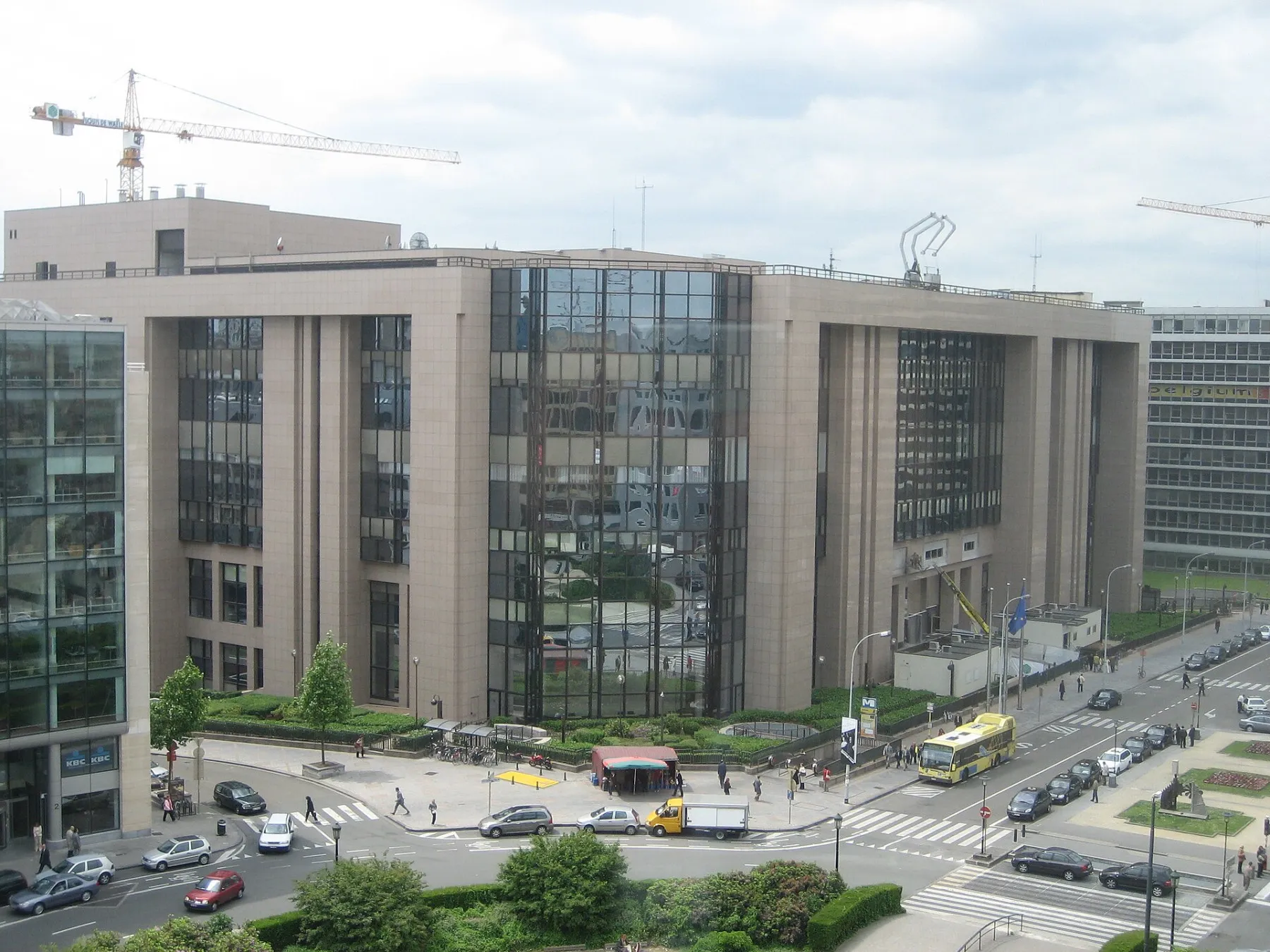
Eleven member states have stood in the way of Serbia opening Cluster 3. A diplomatic operation is now under way in Brussels to break that bloc before July is out - and 1.58 billion euros are sitting on the table.
According to unofficial but verified information from diplomatic circles published by a Podgorica outlet, a meeting took place between European Commission President Ursula von der Leyen, European Council President Antonio Costa and Gert Jan Koopman, director-general of the enlargement negotiations directorate. The agreement was to do everything possible to overcome the current deadlock and get Belgrade a green light.
Who is pressuring whom
The Brussels trio's plan, according to the same source, is to bring France, Germany and other influential Union countries into the diplomatic push. The goal is clearly defined - to exert pressure on the states blocking the process. So the mechanism the EU calls „merit” is in practice settled with phone calls from Paris and Berlin.
Koopman has already held a meeting with representatives of the European Parliament, and is also talking to Tonino Picula, the Parliament's rapporteur for Serbia. According to the report, Koopman will lay out for him in detail all the reasons why it is a good thing for Serbia to get this opportunity.
The numbers that explain the hurry
The stake is not merely symbolic. Total funds for Serbia from the Reform and Growth Facility come to around 1.58 billion euros. Serbia has already drawn 111 million euros in pre-financing, plus a first approved tranche of 56.5 million euros - securing the largest sum in the region. But any further inflow is directly conditional on political decisions in Brussels.
Opening a negotiating cluster requires a unanimous decision by all 27 member states. That consensus was recently absent. Among those that blocked the process or expressed reservations are the Netherlands, Belgium, Sweden, Croatia, Bulgaria, Finland, Estonia, Lithuania, Latvia, Denmark and Luxembourg.
Vučić and „merit”
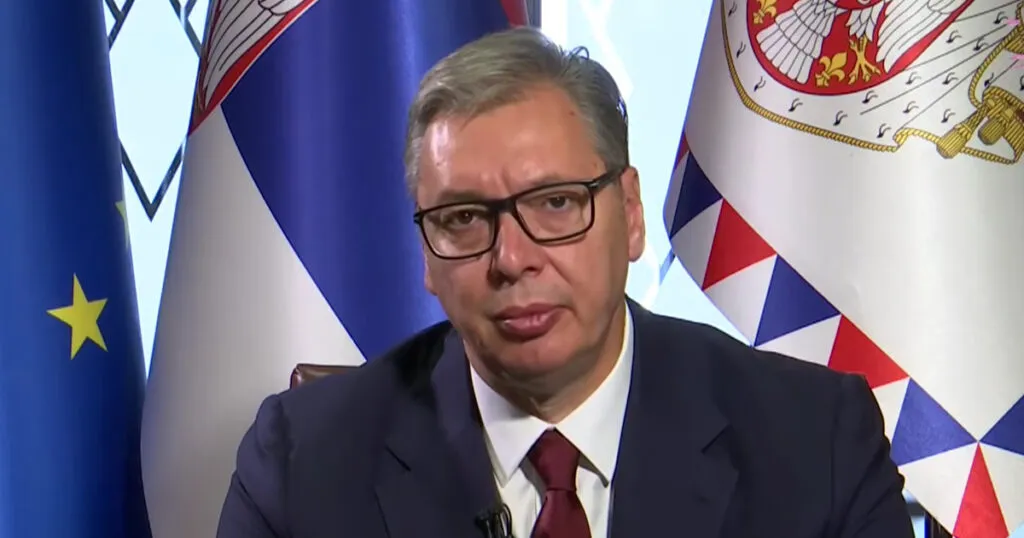
President Aleksandar Vučić said a decision to keep Serbia from opening Cluster 3 would show that merit is not the only yardstick in the accession process. „For me that would be proof of what I have unfortunately been saying: that merit is not always the only yardstick,” he said.
He then got blunter: „When you talk about merit based, given that you have heard it parroted a million times from everyone in the region - merit based, merit based, merit based - a phrase, a platitude, which would now be confirmed as exactly that, a platitude,” Vučić said.
We know this scene
Here Vučić's line, however politically calculated, touches something Macedonia knows by heart. For twenty years we have been told the process is merit-based, and then a single veto from a single member state stops everything - regardless of what the reports say. The only difference is who is holding the brake, and at what moment.
That is why this case is worth watching closely, whatever you think of Belgrade. If eleven countries can block a cluster, and then a trio from Brussels runs to talk them round via Paris and Berlin - then the question is not whether Serbia has earned it. The question is what „merit” means at all in a system where the decision is carried by telephone, not by report.
Will Brussels manage to break the eleven by the end of July? And if it does - what does that tell everyone else in the queue, the ones who have spent years waiting for their own phone to ring?
The latest 10 news from this category

Nobody banned anything - the line item simply stopped paying for itself. That is the purest version of modern censorship,...

The stated reason is expensive production and weak commercial return. The timing is two months before an election. In Belgrade...

Zukan Helez asked the international community to withdraw its signature from the existence of Republika Srpska - then added that...
The government asked itself for elections, and packaged the reason as global instability. Serbia votes on 25 October - with...
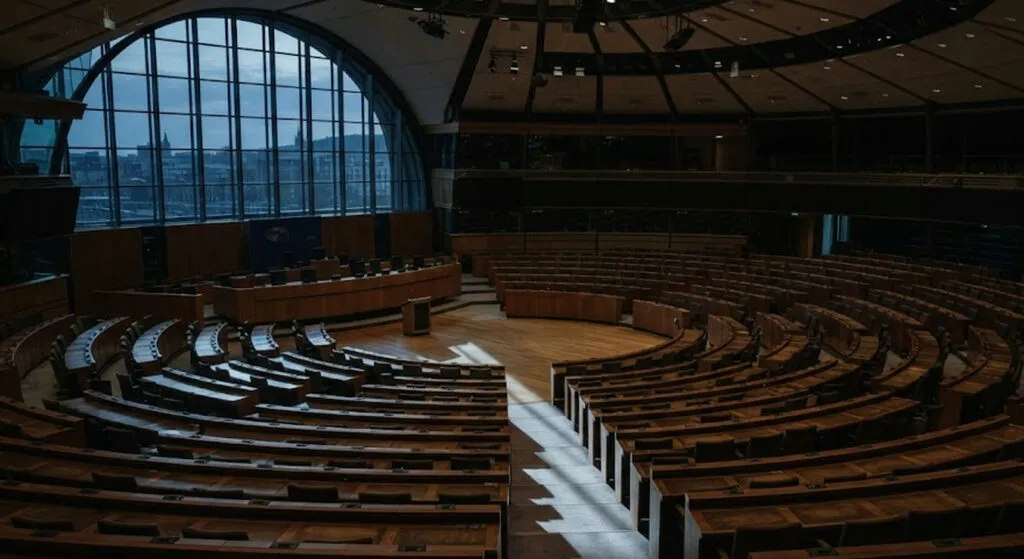
Almost every German party condemned the Serbian government over the state send-off for Ratko Mladic. The one that did not...
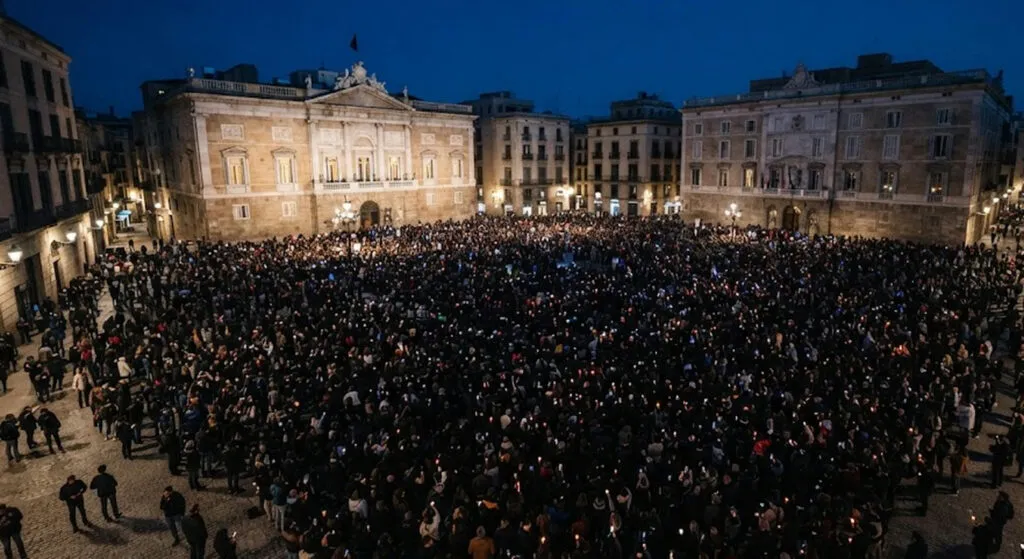
The previous government recognised Palestine. The new one is opening an Israeli embassy. Between the two there is not a...
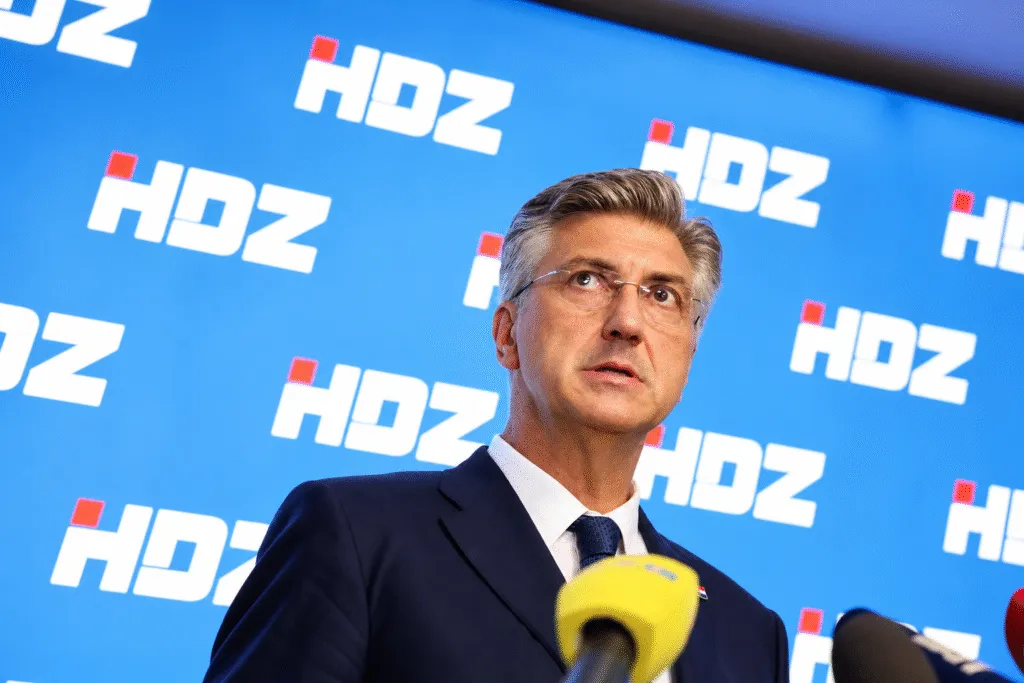
Serbia sent six ministers but not the leadership of the state - and then claimed these were not state honours....
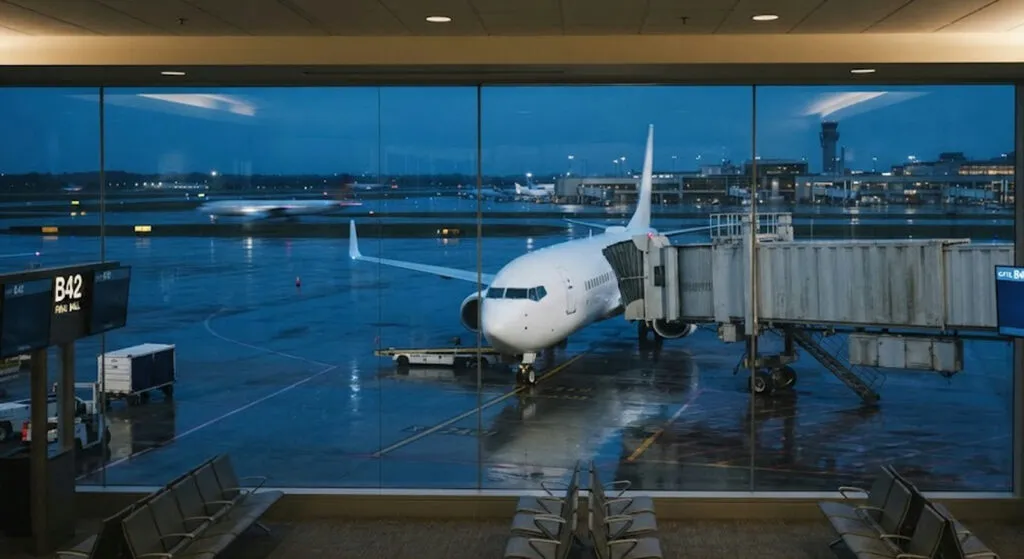
Belgrade kept the last direct air link between Russia and Europe, and is now opening a route to an enclave...
The opposition is attacked not for what it proposes but for what it would hypothetically do. A mechanism the whole...
A government plane, a coffin draped in the Serbian flag and a minister in the hall - but no state...
This site uses cookies - is that okay? Learn more
Be the first to know when Metla launches something new
Leave your email and we will write when there is a new guide or something new on Metla.
