


Studeničani: 35-year-old dies after being electrocuted while washing his car with a pressure washer
18.09.2026


18.09.2026
18.09.2026

18.09.2026

18.09.2026

18.09.2026
18.09.2026
18.09.2026

17.09.2026

16.09.2026

18.09.2026

18.09.2026

17.09.2026

18.09.2026

18.09.2026

18.09.2026
18.09.2026

17.09.2026

16.09.2026

18.09.2026

18.09.2026
18.09.2026

18.09.2026

17.09.2026

17.09.2026

09.03.2026

27.02.2026

19.02.2026

18.09.2026
17.09.2026
16.09.2026

23.04.2026

23.04.2026

12.04.2026

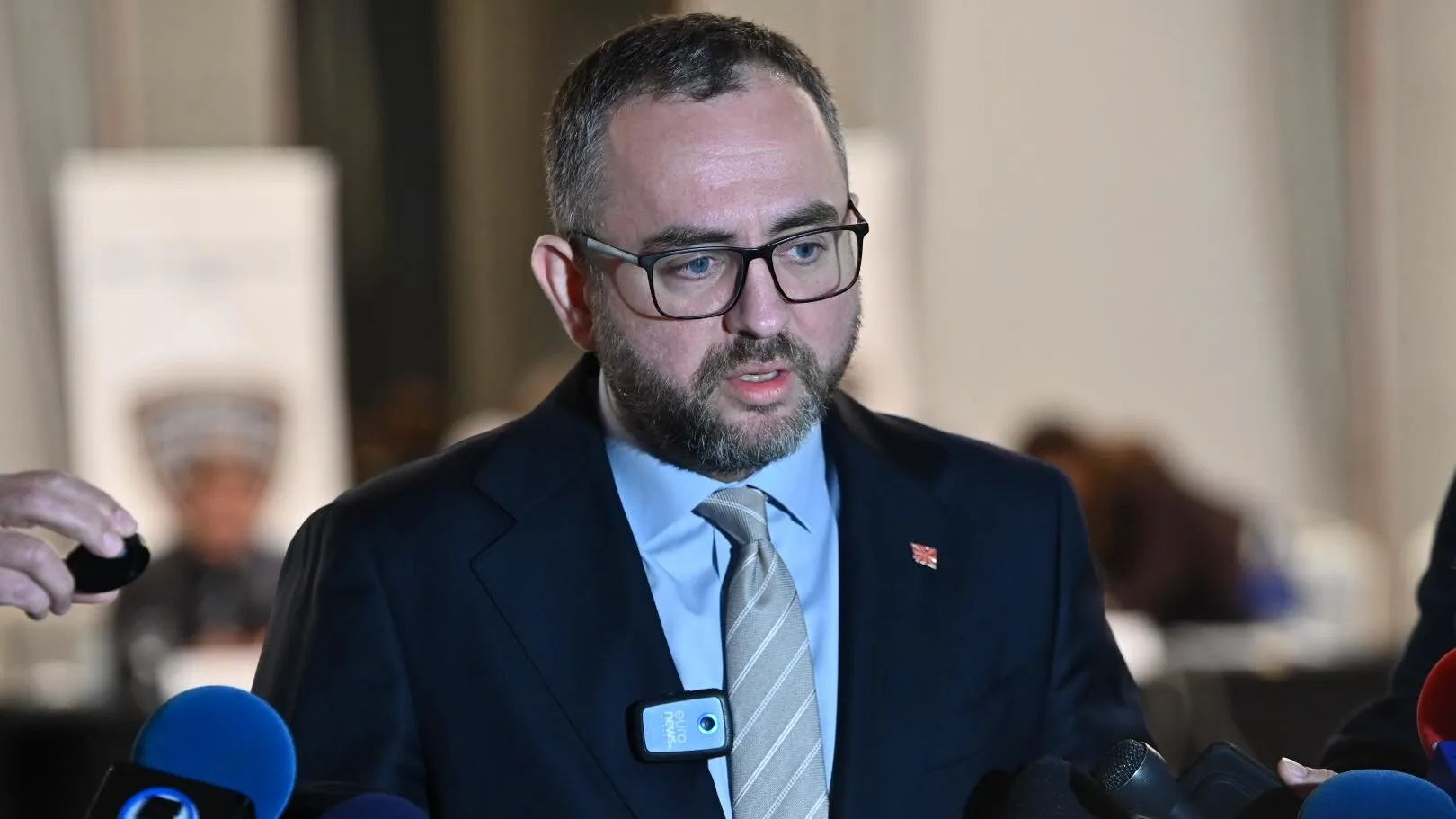
When the interior minister admits he is "shocked" by a decision of the prosecutor's office, it means one of two things: either the system for prosecuting corrupt criminal offences in this country does not work - or it works in a way the minister himself does not understand. Either way, the problem is big.
Minister Pance Toshkovski said yesterday in a TV interview that he is "hugely disappointed" by the decision of the Prosecutor's Office for Organised Crime and Corruption to close the "Mazut" case - the investigation into fuel procurement for the Negotino thermal power plant that involved 13 people. "Nobody can convince me that back then there was evidence, and now there is not," Toshkovski told Kanal 5.
That is a strong statement from a minister whose police officers ran the investigation together with the prosecutor's office, filed criminal charges and asked for the detention of specific suspects. Among them: businessman Asmir Jahoski (Pucko Petrol), Erzan Sulkoski and Ratko Kapushevski (RKM), and the former director of ESM Vasko Kovachevski. When the interior minister says he cannot be convinced about the closing of his own case - that is more than ordinary politics.
The contradiction nobody answers
Toshkovski at the same time defends the PM. "I do not believe Mickoski would interfere in the work of the prosecutor's office," the minister says - even though both Mickoski and prosecutor Nenad Saveski have admitted they spoke on the phone about the case. The PM himself stated that he "expects" the case to be reopened. What is that, if not "interference in the work of the prosecutor's office"?
The interior minister sits in an impossible position: being "shocked" by the prosecutor's office and at the same time claiming the PM - who phoned that same prosecutor's office - did nothing improper. One of the two cannot be true. Either the prosecutor's office closed the case under pressure (which makes Toshkovski's "shock" logical but implies wrongdoing at the prime ministerial level) - or the prosecutor's office closed the case on its own professional judgement (which makes Toshkovski's "shock" purely performative).
This case is a test of what remains of institutional independence in Macedonia. We had 13 suspects. We had an investigation coordinated between the interior ministry and the prosecutor's office. We had a detention request and a criminal charge. And it all ends in "shock," a phone call from the PM, and a minister saying "the case is not closed" - even though formally it already is. Look at this sentence: not a single institution is clear about what comes next.
Toshkovski promises the public will "see what was uncovered." Which essentially means: the interior ministry will leak information through the media, if the prosecutor's office will not. That is a model that has not worked for decades - because it turns criminal prosecution into a media fight between institutions. And citizens, at the end, do not get justice - they get a series.
The latest 10 news from this category
Marta Kos listed the countries getting a timetable. We are not on it. What remains is the condition we know...
Monitoring by the All for Fair Trials coalition: hearings twice a year, proceedings running up to 33 months, and young...

Of 340 million denars, only 40 million came from private money - the rest came from the State Lottery. Prosecutors...
The State Audit Office already warned that withholding the points makes favouritism possible. The rulebook requiring them to be published...
Two senior officials announced progress, the two largest parties denied it the same day. The amendments sit blocked behind 13,500...

The police acted on their own knowledge, without the PM filing anything at all. The same mechanism exists for every...
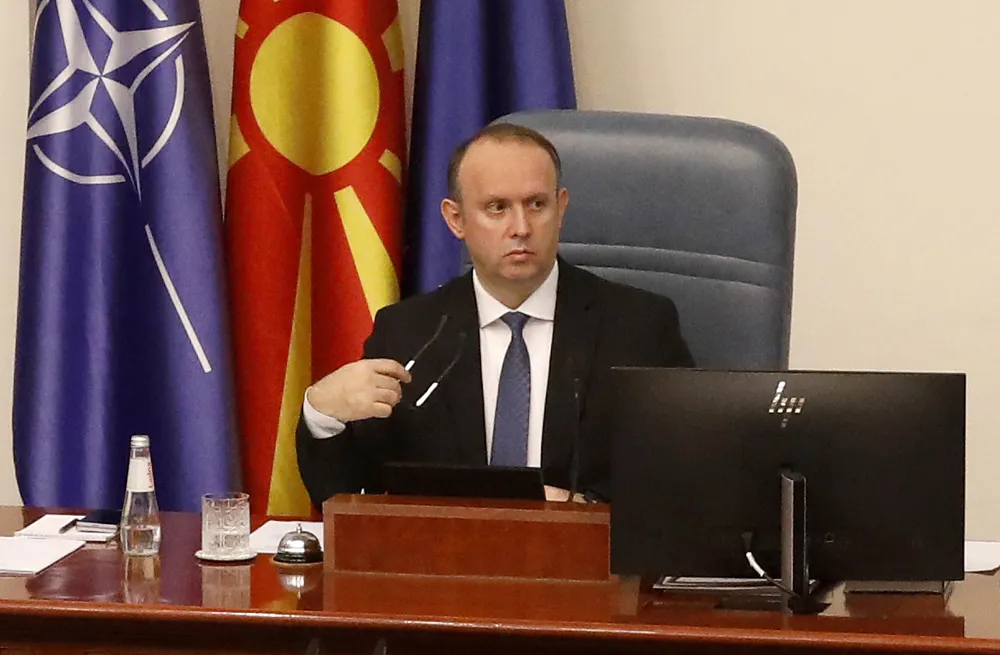
The Electoral Code is the one unfulfilled reform obligation, and the working group does not even know when it will...
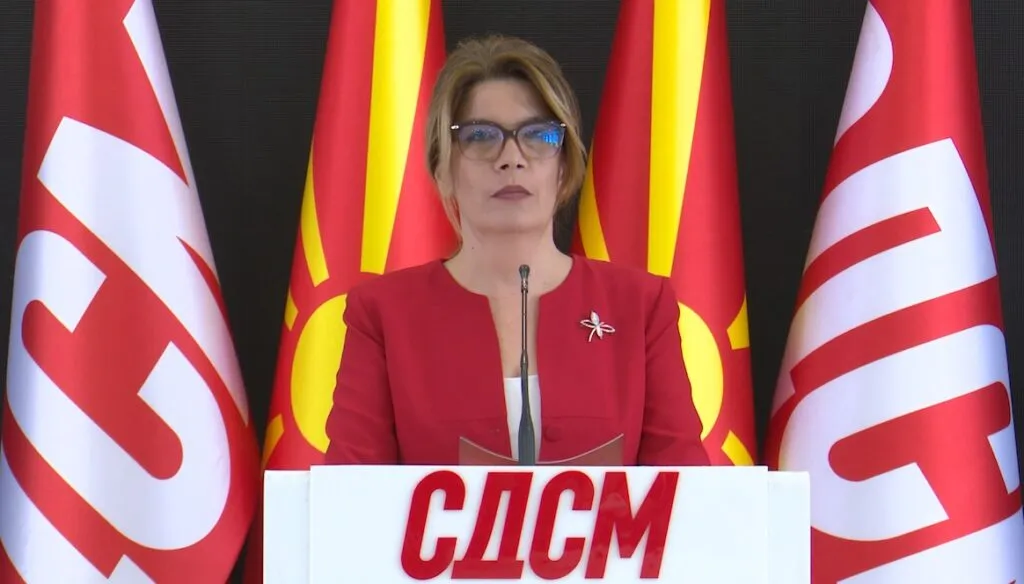
It was supposed to cost "zero denars". Now the opposition wants an investigation, and the timeline - David Guetta announced...
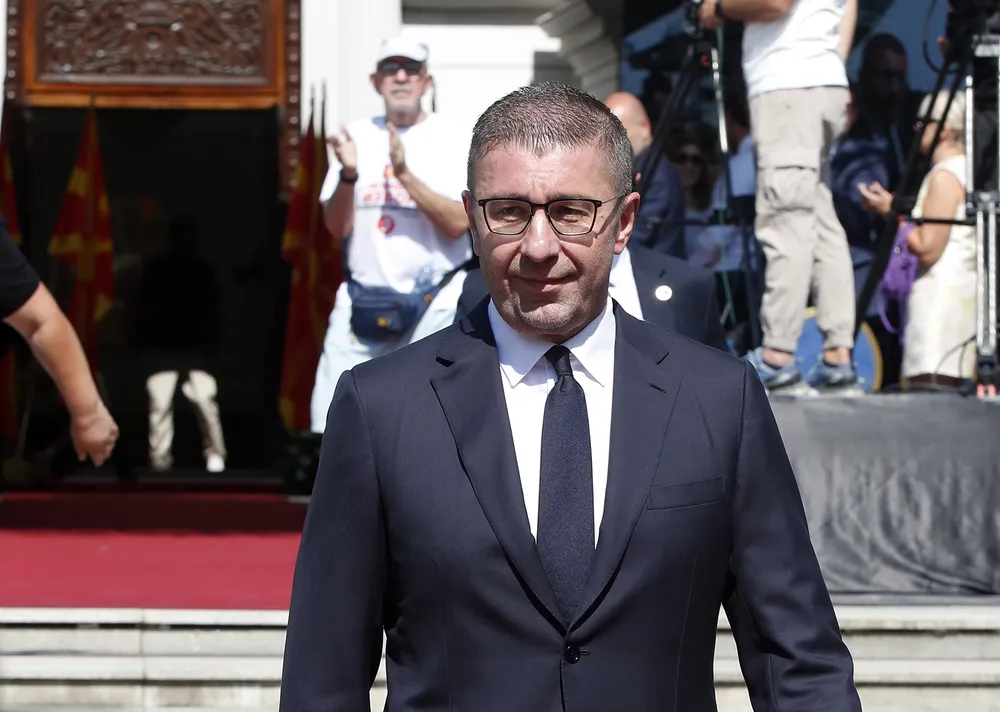
Five negations in one sentence, pension growth "16 times higher" with not a single figure beside it, and a third...
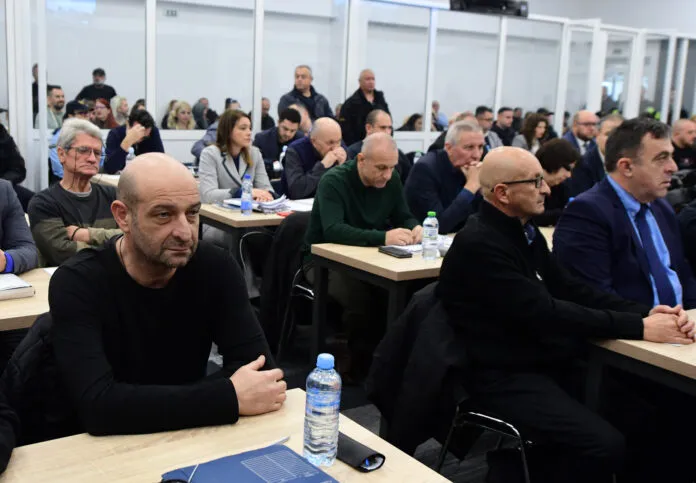
One side waits for a letter, another waits for a different commission, a third waits for consent. In those same...
This site uses cookies - is that okay? Learn more
Be the first to know when Metla launches something new
Leave your email and we will write when there is a new guide or something new on Metla.
