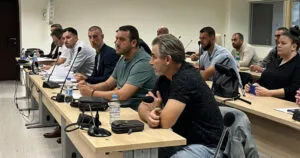
"That's not my job": the trial of the 13 Puls police officers restarted from scratch, and witnesses describe help being refused
22.09.2026


22.09.2026

22.09.2026
22.09.2026
22.09.2026
22.09.2026
22.09.2026
22.09.2026

21.09.2026

20.09.2026

22.09.2026
22.09.2026

21.09.2026
22.09.2026

22.09.2026

22.09.2026

22.09.2026

21.09.2026

20.09.2026

22.09.2026

22.09.2026

22.09.2026
22.09.2026

22.09.2026

22.09.2026

09.03.2026

27.02.2026

19.02.2026

22.09.2026

21.09.2026

21.09.2026

23.04.2026

23.04.2026

12.04.2026

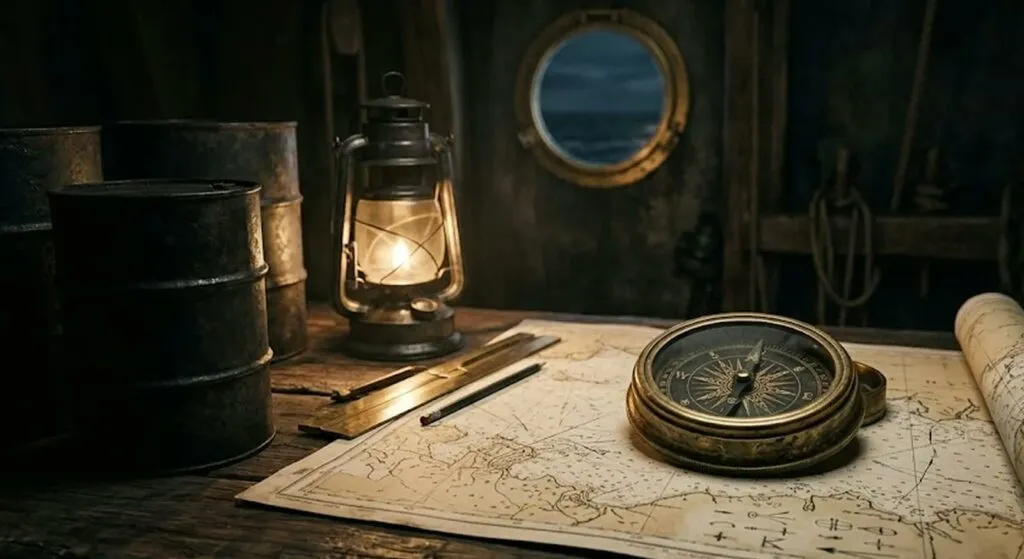
When the two most powerful men on the planet issue a joint statement at the same moment, it is usually not because of a shared vision - but because of a shared fear. Donald Trump and Xi Jinping agreed in Beijing that the Strait of Hormuz must remain open to the free flow of energy. The conclusion is clear. Iran will not be left to decide that alone.
The White House statement reads: "The two sides agree that the Strait of Hormuz must remain open to ensure the free flow of energy." Bureaucratic language for something much simpler - Washington and Beijing are telling Tehran and any potential player in the Gulf to forget about blockades.
According to the Washington version, Xi Jinping expressed interest in scaling up purchases of US crude oil - to reduce Chinese dependence on imports passing through the Strait of Hormuz. The Chinese side does not mention this in its statements. That is classic diplomatic ping-pong - the Americans say "we agreed," the Chinese confirm nothing. Who is telling the truth? Probably no one entirely.
The context matters. Around 20 percent of all global oil shipments pass through the Strait of Hormuz, along with a substantial share of liquefied natural gas. A blockade or a serious incident there - and oil prices jump by tens of percent overnight. For the Balkans, that means one thing - more money at the pump, more money for electricity, more pressure on budgets that already flirt with poverty.
Iran reacts with shock. From their perspective, this means two of their main negotiating partners - China as economic, and Russia as military - are aligning with Washington on a strategic detail. That is a loss for Tehran even before the open showdown begins. The question is - does this open a path to de-escalation, or does it just bake in a new formula for the next escalation?
For Balkan readers, the lesson is simple. When superpowers cut a deal, the small players find out last - whether through higher prices, larger migration waves, or tension on the EU borders. History is full of examples. The only question is when it reaches us.
The latest 10 news from this category
Washington, Copenhagen and Nuuk are signing off on a military presence on an island of 56,000 people - and the...
Phones in Krāslava rang by themselves, the fighters took off, and what exactly triggered the alert - nobody is saying....
In Mecklenburg the CDU finished on 4.9 percent and, for the first time in the history of the Federal Republic,...
Tisza took 16 years of power off Fidesz and won 141 of 199 parliamentary seats. Orbán now says Brussels is...
With 75 percent of protocols counted, the governing party leads in 208 of the 225 single-mandate districts. A parliament of...
He never sat on the throne, and the emirate is lowering its flags for ten days. Sometimes the surname says...
Three options on the table in Washington - military pressure, economic strangulation or a deal - and the president frames...
The party of Adenauer and Kohl slid to the electoral threshold in Mecklenburg, the AfD is already demanding the chancellor's...
Two prime ministers in the same Union, the same month, completely opposite diagnoses of who is provoking whom. There is...
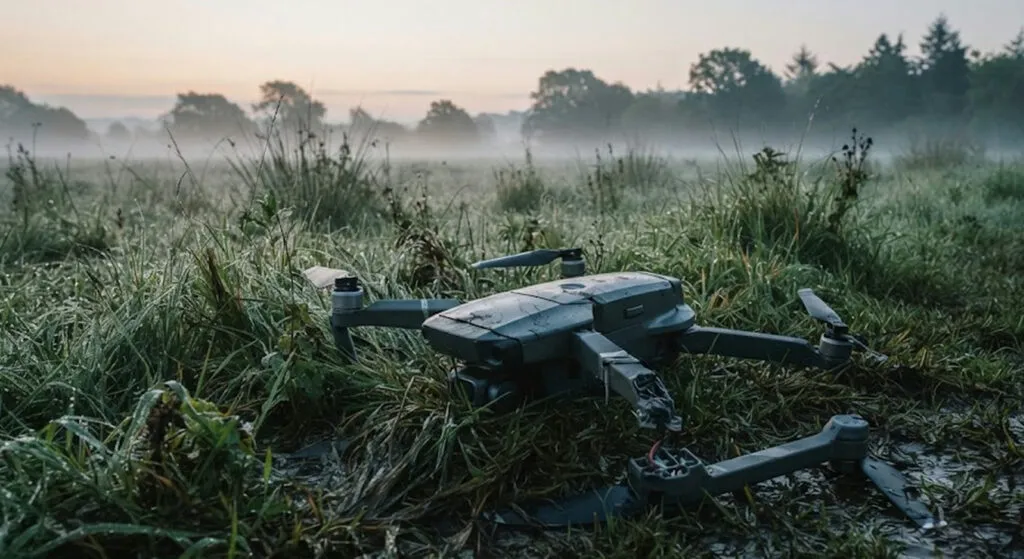
A broken aircraft in a field usually ends up in a police note. This one ended up with federal investigators,...
This site uses cookies - is that okay? Learn more
Be the first to know when Metla launches something new
Leave your email and we will write when there is a new guide or something new on Metla.