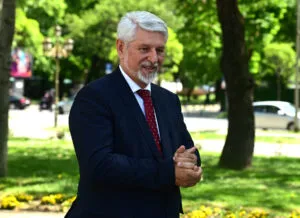
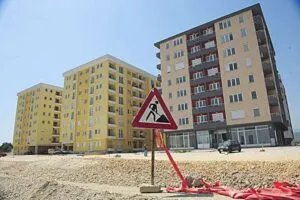
A New Criminal Complaint Against Jakimovski: A Building Permit Based on a Plan Struck Down Back in 2018
16.09.2026


16.09.2026
16.09.2026

16.09.2026
16.09.2026
16.09.2026

16.09.2026

16.09.2026

15.09.2026

14.09.2026
16.09.2026

16.09.2026

15.09.2026

16.09.2026

15.09.2026

14.09.2026

16.09.2026

16.09.2026

16.09.2026

16.09.2026

15.09.2026
15.09.2026

09.03.2026

27.02.2026

19.02.2026
16.09.2026

15.09.2026

14.09.2026

23.04.2026

23.04.2026

12.04.2026

A US federal judge has put on hold the sanctions the Trump administration imposed on Francesca Albanese, the UN Special Rapporteur on the Palestinian Occupied Territories. The reasoning: the sanctions likely violate the right to free expression under the First Amendment of the US Constitution.
Albanese, an Italian lawyer and expert in international law, was sanctioned in July 2025 for recommending that the International Criminal Court investigate Israeli and US citizens for possible war crimes connected to Israeli military operations in Gaza. Washington's reaction was swift - a US entry ban, frozen bank accounts, a block on financial transactions.
The reaction was so wide-ranging that Albanese physically could not open a bank account. Her husband and her daughter (a US citizen) filed a lawsuit in February. Judge Richard Leon, of the District Court in Washington, accepted their argument on Wednesday: „Albanese has done nothing more than speak! Her recommendations have no binding effect on ICC proceedings, they are nothing more than her opinion."
For those who remember how the International Criminal Court works - that's technically correct. The ICC doesn't take decisions based on the recommendations of UN rapporteurs. It takes them on the basis of gathered evidence, formal procedures, and confirmation from its own judges. A recommendation is inspiration, not command.
But the Trump administration didn't want to „defeat" her through logic - it wanted to shut that down as an option. By sanctioning a single individual, the message goes out to every UN rapporteur: „if you speak against Israel or the US, you won't be able to live a normal life".
For Balkan readers, this is an interesting parallel. The UN rapporteurs who worked on our region in the 1990s were crucial in documenting war crimes. Without them, much of what is being prosecuted today at The Hague would be without documents. What is happening now is the criminalisation of the profession itself. And it's coming from the world's largest democracy, whose own judges are still trying to block it.
Will the UN have rapporteurs for occupied territories in ten years? Maybe. Will they be the same kind of independent experts? No. That's the quiet but important loss of this moment.
The latest 10 news from this category

Sanctions imposed over one war are being offered as currency in an entirely different dispute. Most member states are against...
El Nino in the Pacific shifts the currents that decide where snow falls. An area that usually gets a metre...
The easiest way to dismiss an uncomfortable argument is to point at who is making it. But that does not...
The appeals court ruled the entire trial must start over. The son of Norway's queen is waiting for it on...
Trump scaled back the military exercises to ease the tension, and Wonsan answered in the form of projectiles. What does...
The sanctions list got a seven-day extension instead of one measured in months, a move diplomats themselves call unprecedented. Two...
Switzerland offered a table for talks on Ukraine, Moscow replied that the table stopped being neutral once Bern adopted EU...
The will says one thing, a committee of twenty-one men decided another. The queen mother says the army pulled the...
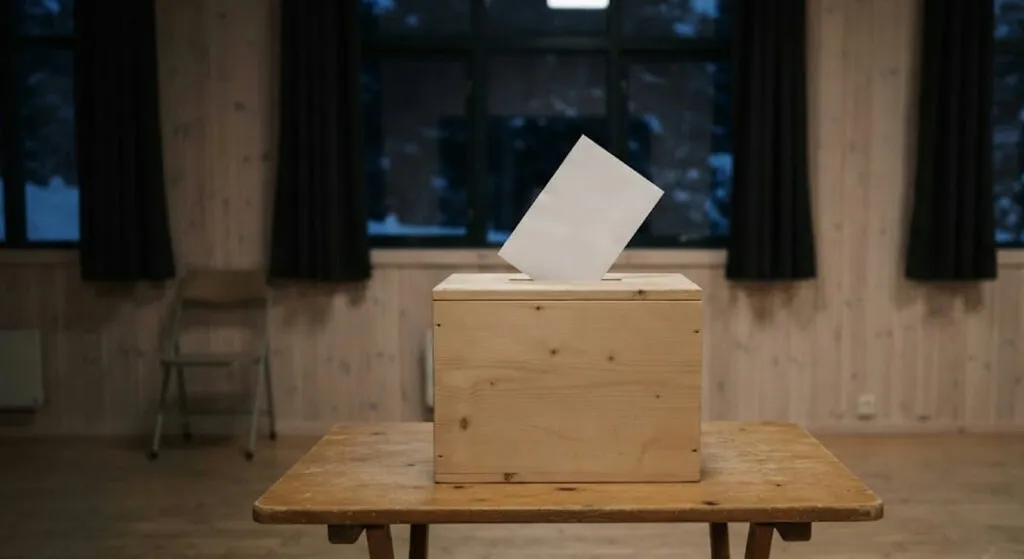
A country that was Europe's byword for stability for decades now has a parliament split into two blocs by a...
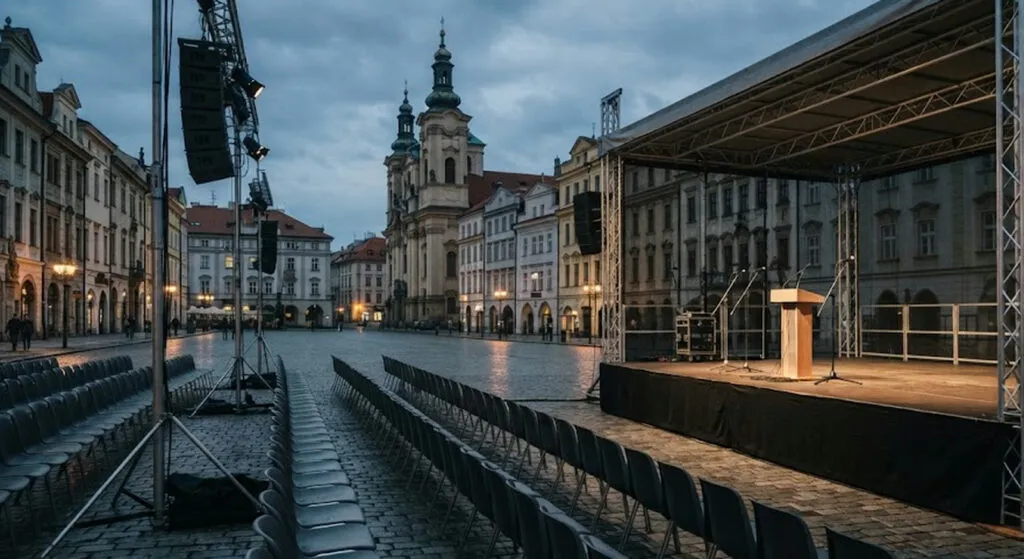
Sixteen years in power, defeat at a regular election, five months of quiet - and now the election result is...
This site uses cookies - is that okay? Learn more
Be the first to know when Metla launches something new
Leave your email and we will write when there is a new guide or something new on Metla.