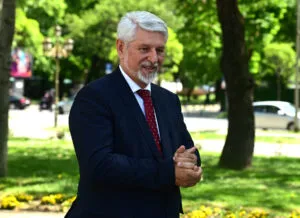
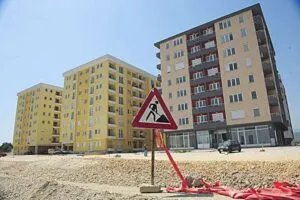
A New Criminal Complaint Against Jakimovski: A Building Permit Based on a Plan Struck Down Back in 2018
16.09.2026


16.09.2026

16.09.2026

16.09.2026
16.09.2026
16.09.2026
16.09.2026

16.09.2026

15.09.2026

14.09.2026

16.09.2026

16.09.2026

15.09.2026

16.09.2026

15.09.2026

14.09.2026

16.09.2026

16.09.2026

16.09.2026

16.09.2026

15.09.2026
15.09.2026

09.03.2026

27.02.2026

19.02.2026
16.09.2026

15.09.2026
14.09.2026

23.04.2026

23.04.2026

12.04.2026

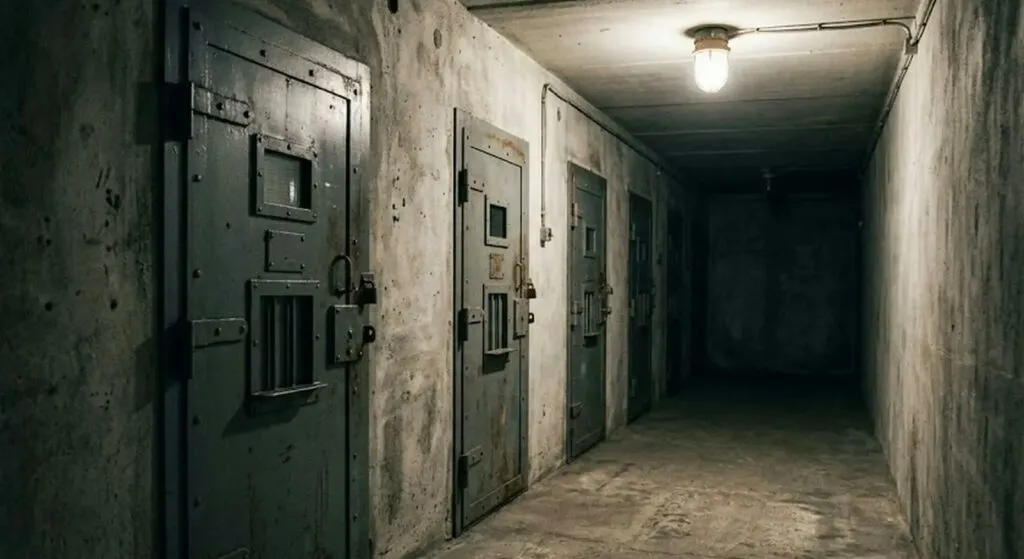
The British couple - Lindsay and Craig Foreman, both 53 - had phone contact with their family until a few days ago. Not any more. They were arrested in Iran in January 2025 while travelling around the world on motorcycles. They have been sentenced to 10 years in prison for alleged espionage. They are being held in the „Evin" prison in Tehran - known worldwide as a place many don't come out of.
The family - son Joe Bennett in particular - hasn't heard from his mother in over a week. According to NGOs working on their release, the Iranian authorities cut the phone access as a „response" to a media interview in which the couple said they felt „abandoned" and that the odds of freedom are shrinking.
„We don't know if my mother and Craig are safe," Bennett said. A sentence that to British audiences sounds dramatic; to us in the Balkans it sounds familiar - it's the sentence many mothers of the 1990s spoke about sons at war.
The British Foreign Office condemned the trial as „completely unacceptable and unjustified". But the reality is that London has no leverage with Tehran. No ambassadorial relations, no economic lever, no direct line through the US (especially given the current tone of the Trump administration towards Iran).
Perhaps the most disqualifying detail in this story is illuminated by Lindsay Foreman in a previous interview with ITV: during US and Israeli strikes against Iran last year, missiles and drones could be heard inside „Evin" prison. Inmates panicked. „When the buildings shake, there's nowhere for us to run," she said. The prison, she stressed, has no proper emergency exits.
A bigger tragedy than a 10-year sentence for espionage with fabricated evidence is the scenario where their prison gets hit by a missile. And right now, with escalation between Iran and the West, that scenario is still on the table.
For Balkan readers - 10 years without the possibility of normal communication, in a foreign prison, on fabricated charges - that's a story many of our diaspora and insiders remember from the 1990s. It's not by chance that British journalists call it „unimaginable". In the Balkans we read it as „already heard".
The latest 10 news from this category

Sanctions imposed over one war are being offered as currency in an entirely different dispute. Most member states are against...
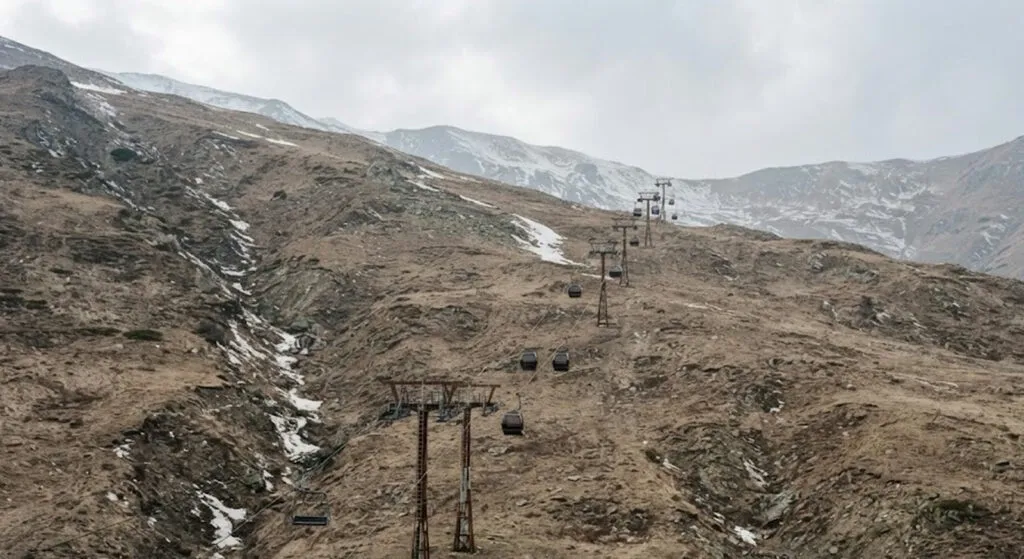
El Nino in the Pacific shifts the currents that decide where snow falls. An area that usually gets a metre...
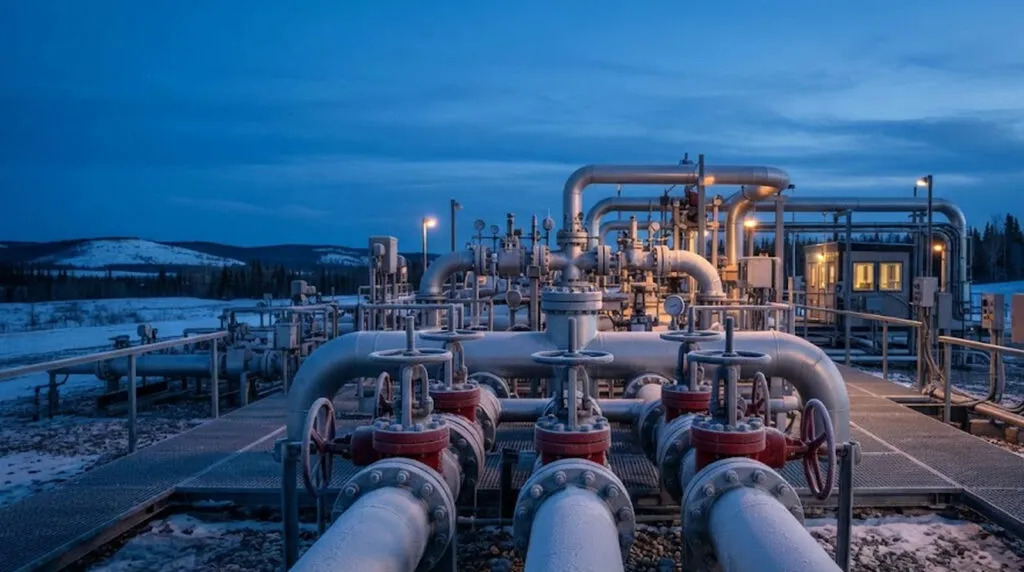
The easiest way to dismiss an uncomfortable argument is to point at who is making it. But that does not...
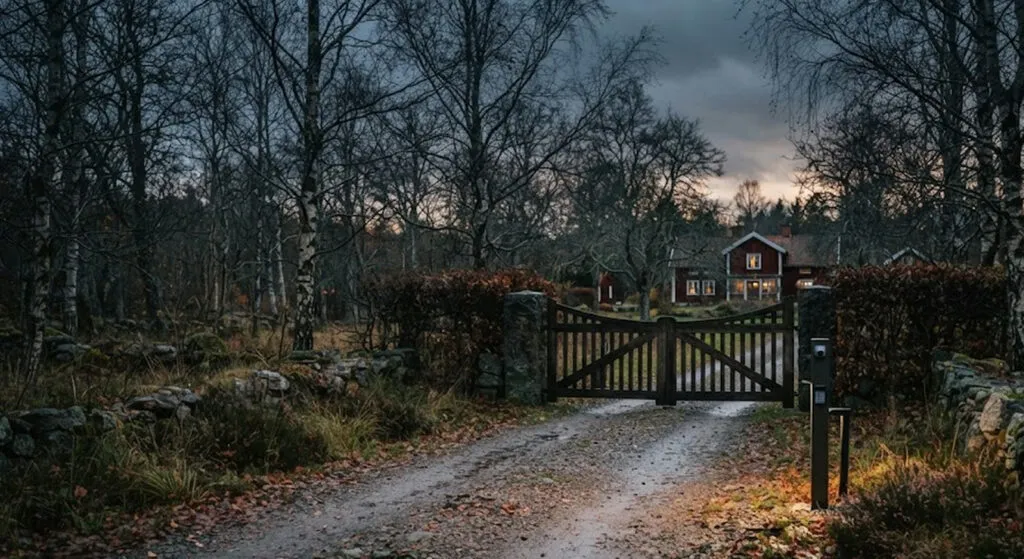
The appeals court ruled the entire trial must start over. The son of Norway's queen is waiting for it on...
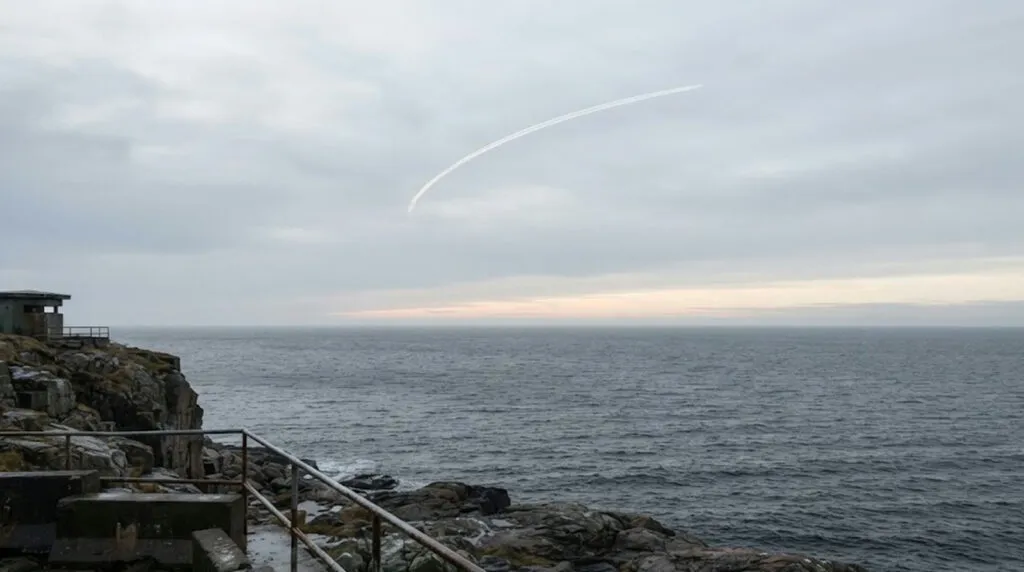
Trump scaled back the military exercises to ease the tension, and Wonsan answered in the form of projectiles. What does...
The sanctions list got a seven-day extension instead of one measured in months, a move diplomats themselves call unprecedented. Two...
Switzerland offered a table for talks on Ukraine, Moscow replied that the table stopped being neutral once Bern adopted EU...
The will says one thing, a committee of twenty-one men decided another. The queen mother says the army pulled the...
A country that was Europe's byword for stability for decades now has a parliament split into two blocs by a...
Sixteen years in power, defeat at a regular election, five months of quiet - and now the election result is...
This site uses cookies - is that okay? Learn more
Be the first to know when Metla launches something new
Leave your email and we will write when there is a new guide or something new on Metla.