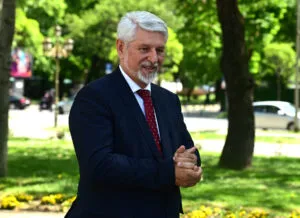
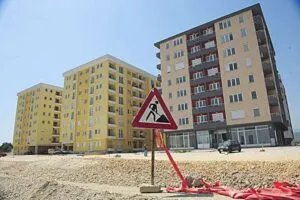
A New Criminal Complaint Against Jakimovski: A Building Permit Based on a Plan Struck Down Back in 2018
16.09.2026


16.09.2026
16.09.2026

16.09.2026
16.09.2026
16.09.2026
16.09.2026
16.09.2026

15.09.2026

14.09.2026
16.09.2026
16.09.2026

15.09.2026

16.09.2026
15.09.2026
14.09.2026

16.09.2026
16.09.2026

16.09.2026

16.09.2026

15.09.2026
15.09.2026

09.03.2026

27.02.2026

19.02.2026
16.09.2026

15.09.2026
14.09.2026

23.04.2026

23.04.2026

12.04.2026

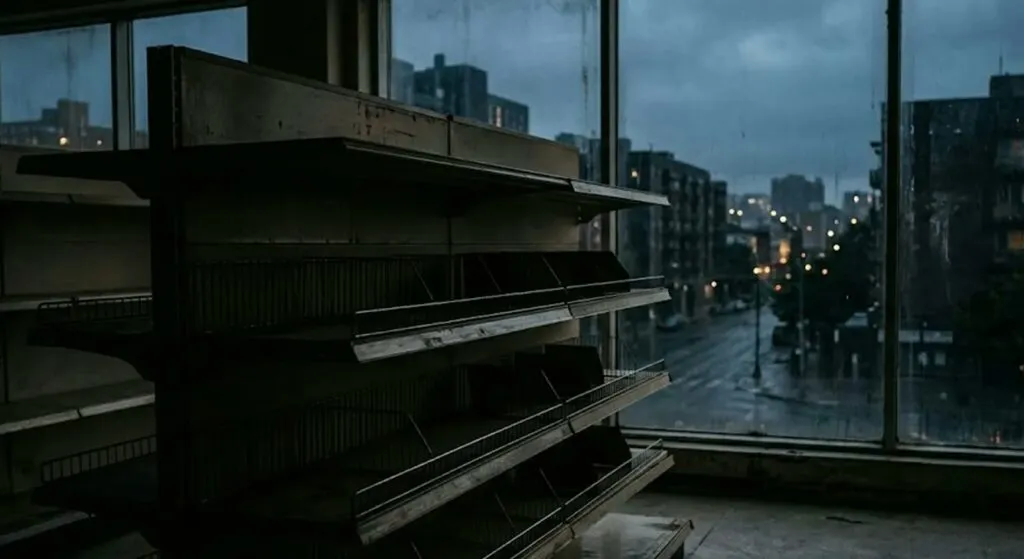
When Russian President Vladimir Putin talks about „the end of the war in Ukraine", he does so with the tone of a man who already has the victory in hand. The reality, as most experts analyse it, is different. The Kremlin has an internal problem that is starting to eat at it - and it doesn't come from the West.
It's the quiet erosion of the three pillars that prop up the regime: Russian nationalists, residents of annexed territories, and the middle class. The first two groups are ideologically locked in - they get a „won peace", a victorious narrative, and there's nowhere for disappointment to appear. The third group is the one the Kremlin has a problem with.
The middle class doesn't want „victory". It wants an average quality of life: uncensored access to the internet, a stable price for bread, the ability to travel, a son going to some normal university. All of that has crumbled in pieces over the last two years. Social networks are blocked, inflation has eaten savings, and Russian banks don't work like Western ones.
Analysts who follow the internal life of Moscow see the same pattern as in the late 1980s - the moment a system forgets that its own functionaries have wives, children and passports. Not a revolution. But an elite reconfiguration. Behind the façade of a „monolithic Kremlin" there are several factions, and they have started to position themselves for the post-Putin era. The question is „when", not „if".
What does that mean for reality? All the variants experts are looking at lead to the same outcome: a frozen conflict in Ukraine, not „unconditional surrender". Not because Moscow doesn't want more - but because it can't afford more. An endless war is expensive even for a country that claims energy sovereignty.
For the Balkans, this is an informative moment. A frozen conflict - that's the scenario our region lived with for 30 years. Bosnia, Kosovo, Cyprus. We know what it looks like. We know how expensive it is. And we know that „frozen" doesn't mean „finished" - it means „waiting".
The latest 10 news from this category
Sanctions imposed over one war are being offered as currency in an entirely different dispute. Most member states are against...
El Nino in the Pacific shifts the currents that decide where snow falls. An area that usually gets a metre...
The easiest way to dismiss an uncomfortable argument is to point at who is making it. But that does not...
The appeals court ruled the entire trial must start over. The son of Norway's queen is waiting for it on...
Trump scaled back the military exercises to ease the tension, and Wonsan answered in the form of projectiles. What does...
The sanctions list got a seven-day extension instead of one measured in months, a move diplomats themselves call unprecedented. Two...
Switzerland offered a table for talks on Ukraine, Moscow replied that the table stopped being neutral once Bern adopted EU...
The will says one thing, a committee of twenty-one men decided another. The queen mother says the army pulled the...
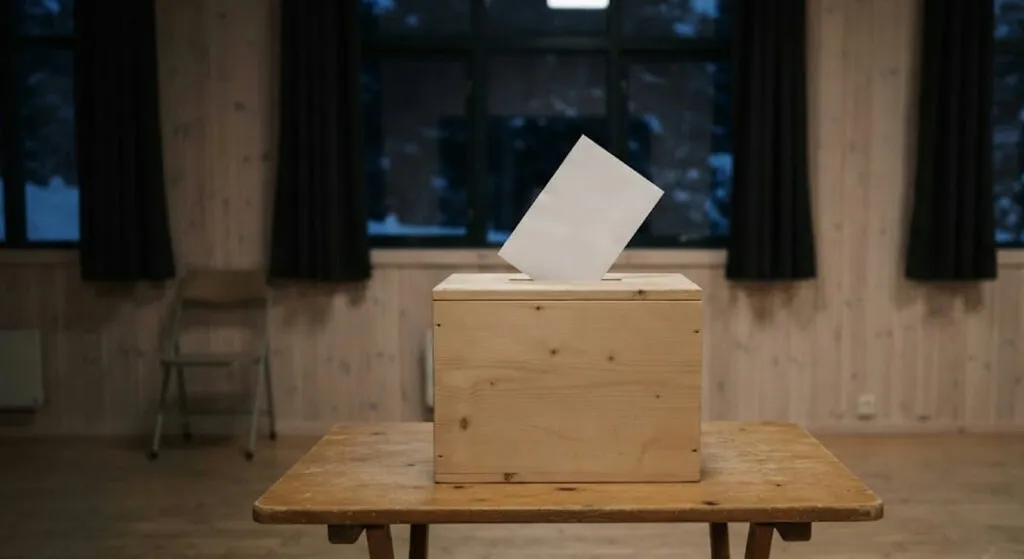
A country that was Europe's byword for stability for decades now has a parliament split into two blocs by a...
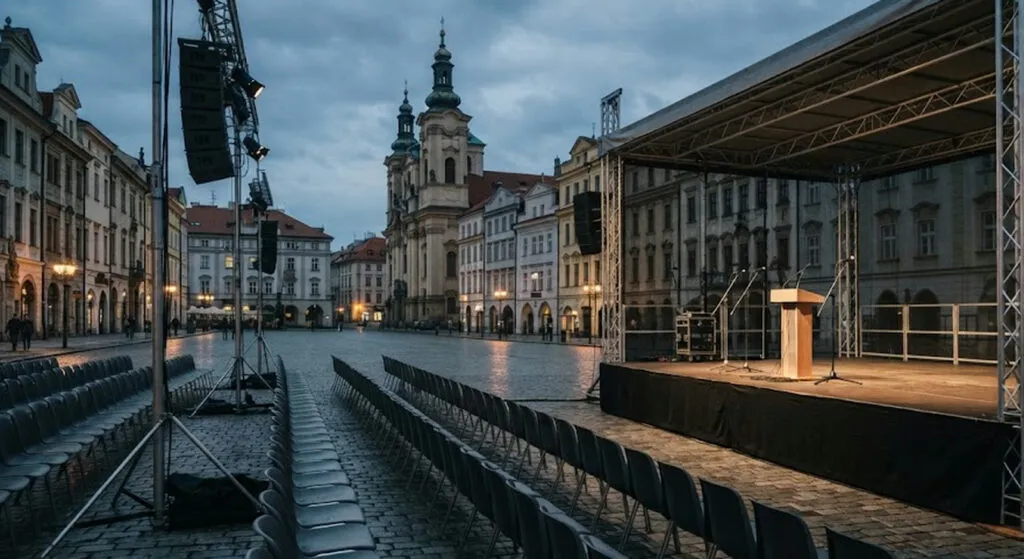
Sixteen years in power, defeat at a regular election, five months of quiet - and now the election result is...
This site uses cookies - is that okay? Learn more
Be the first to know when Metla launches something new
Leave your email and we will write when there is a new guide or something new on Metla.