Ljupcho Has Been Missing Ten Days, and the Family Warned Beforehand: They Got the Referral, the Hospital Said It Was Being Renovated
16.08.2026


16.08.2026
16.08.2026

16.08.2026
16.08.2026
16.08.2026
16.08.2026
16.08.2026
15.08.2026
14.08.2026

16.08.2026

16.08.2026

15.08.2026

16.08.2026

16.08.2026

16.08.2026

16.08.2026

15.08.2026

14.08.2026

16.08.2026

16.08.2026

16.08.2026

16.08.2026

16.08.2026

15.08.2026

09.03.2026

27.02.2026

19.02.2026
16.08.2026

15.08.2026
14.08.2026

23.04.2026

23.04.2026

12.04.2026
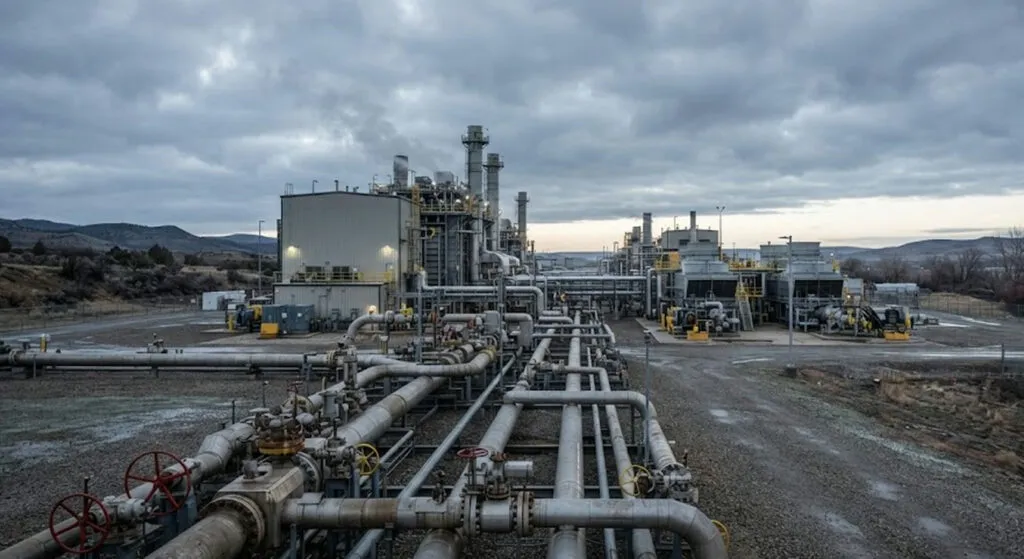
While Brussels writes the dates for a complete disconnection from Russian gas, the August figures say something else. In the first twelve days of the month Europe cut its purchases of liquefied natural gas on the world market to the lowest level in the last two years - and at the same time deliveries from Russia via the European branch of the TurkStream pipeline reached their highest level since March this year.
The two flows are moving in opposite directions
Deliveries of liquefied natural gas through the EU gas transport system from 1 to 12 August amounted to 3.2 billion cubic metres - 3.7 percent less month on month and 12.6 percent less year on year, according to data from the European association of gas infrastructure operators. Volumes have fallen that low only once before, in August 2024.
In the same period, deliveries of Russian natural gas through the Strandzha 2 - Malkoclar entry point on the Bulgarian-Turkish border rose by seven percent month on month and five percent year on year, to 609.2 million cubic metres. So Europe is not consuming less gas - Europe is taking it from a different entrance.
The dates everybody knows
On 26 January the EU Council approved a complete ban on deliveries of Russian liquefied natural gas into the EU from 1 January 2027, and on pipeline gas from 30 September 2027. Short-term pipeline gas contracts must end by 17 June 2026. The paper is clear, the signatures are in place, the deadlines published.
And that is exactly why these numbers are worth something. Eight months before the first of those deadlines, consumption is moving toward the route that is supposed to close, not away from it. That is not a coincidence in one statistic - it is a decision by someone looking at a price, not a calendar.
Why this is a Balkan story
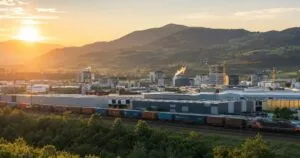
That entry point is not far away. Strandzha 2 - Malkoclar is on the Bulgarian-Turkish border, and the branch continuing from there runs through the Balkans. The region does not decide on sanctions, but it has the pipe running through it - which means every shift in the flow passes through here.
The question Brussels does not want to formulate out loud for now is simple: what changes when the date arrives, if right up to the last month the volume is rising instead of falling? A ban getting closer while the flow increases usually does not mean preparation - it means postponement.
The latest 10 news from this category
A Polish coach carrying 59 people left the M3 motorway near Mezokeresztes at one in the morning. The driver is...

Washington is preparing a letter that will force a dozen countries to pick a side in the artificial intelligence race....
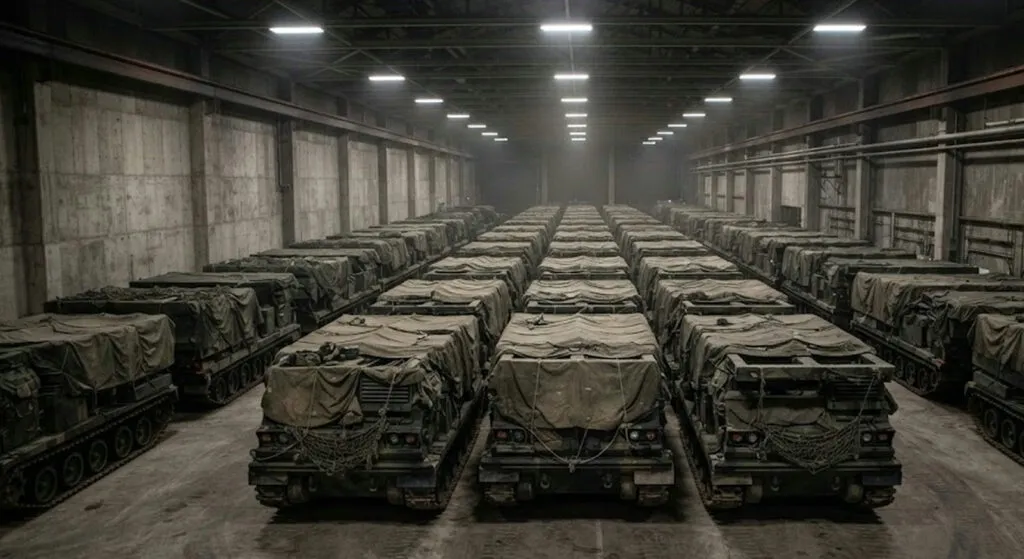
Twelve MLRS launchers and 70 ballistic missiles would travel from Turkish warehouses to Kyiv - through private companies from Turkey,...

A two-thirds majority - but within the family itself, with no government and no referendum. And the reform applies to...
He said it at a rally and the crowd laughed. Two days earlier he posted that the US has full...
China and Russia pulled the same historical card on Tokyo in unison. History is the handiest weapon in diplomacy -...
Four bird strikes in twelve months, an inspection in May that found nothing wrong, and three months later part of...
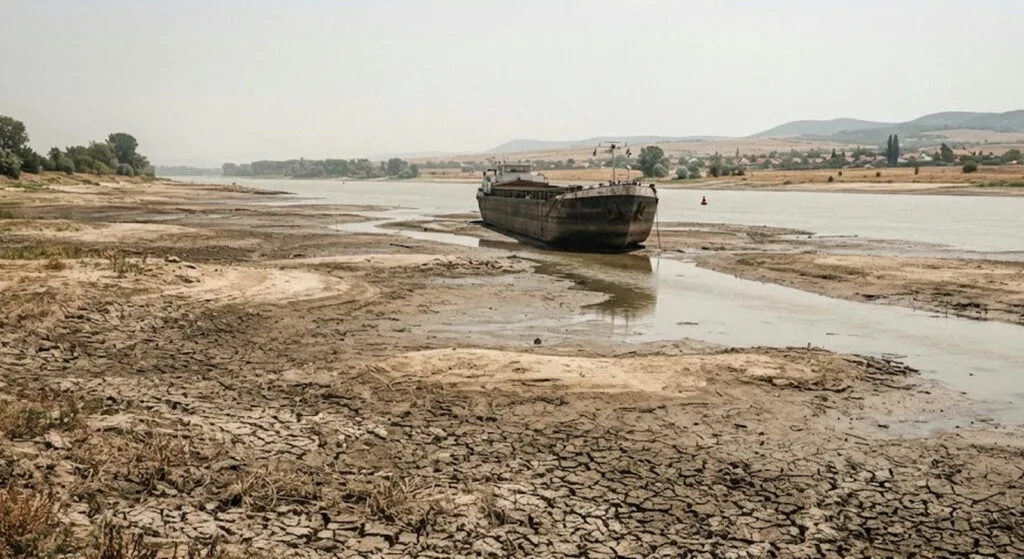
No general staff planned for the drought. The river dried up and did more to block Ukrainian exports than any...
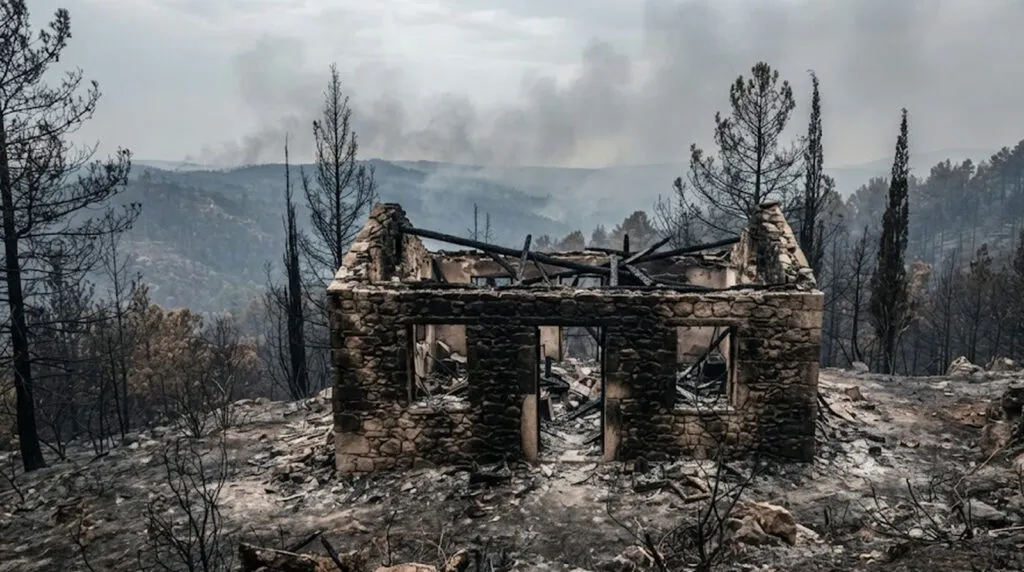
A place half of Macedonia knows by heart. In front of the cameras they managed to say only one thing...

There will be no progress until Netanyahu publicly backs down, and that rarely happens with an election on 27 October....
This site uses cookies - is that okay? Learn more
Be the first to know when Metla launches something new
Leave your email and we will write when there is a new guide or something new on Metla.