
Twenty Fires in One Day, and the Blaze at Bogomila Was Stopped by Villagers and Veles Firefighters
15.08.2026


15.08.2026

15.08.2026

15.08.2026

15.08.2026

15.08.2026

15.08.2026

15.08.2026

14.08.2026
14.08.2026

15.08.2026

15.08.2026

14.08.2026

15.08.2026

15.08.2026

15.08.2026

15.08.2026

14.08.2026

13.08.2026

15.08.2026

15.08.2026

15.08.2026

09.03.2026

27.02.2026

19.02.2026

15.08.2026

14.08.2026

13.08.2026

23.04.2026

23.04.2026

12.04.2026

China has told Japan to respect the international order established after the Second World War. The trigger was Russian President Vladimir Putin's visit to Iturup, an island in the Kuril archipelago - territory Tokyo considers its own and over which Japan lodged an official protest.
"China insists that Japan respect the results of the victory in the anti-fascist war," the Chinese Foreign Ministry announced. The wording is carefully chosen: it does not argue over who has a claim to the islands, it reminds everyone who lost the war.
An eighty-year-old dispute, pulled out right now
The Kuril Islands are among the oldest unresolved territorial disputes in the world - because of them, Russia and Japan formally do not even have a Second World War peace treaty. Tokyo maintains the islands are historically Japanese. Moscow does not discuss it. None of that is new.
What is new is who is speaking up. Beijing has publicly taken Russia's side, while Russian officials Maria Zakharova and Dmitry Medvedev dismissed the Japanese statements as "politically irrelevant, insulting and legally void". When China and Russia pull the same historical card on Japan in unison, this stops being a dispute about a few rocks in the Pacific.
Historical argument is the handiest weapon in diplomacy precisely because it has no expiry date. Any dispute can be revived whenever it is needed, and nobody can close it with facts - because the facts are eighty years old and each side has its own.
Does any of this sound familiar? In the Balkans, history is rarely a matter for historians. It is a reserve argument, kept in a drawer and pulled out when current politics runs out of anything stronger.
The latest 10 news from this category

He said it at a rally and the crowd laughed. Two days earlier he posted that the US has full...

Four bird strikes in twelve months, an inspection in May that found nothing wrong, and three months later part of...

No general staff planned for the drought. The river dried up and did more to block Ukrainian exports than any...
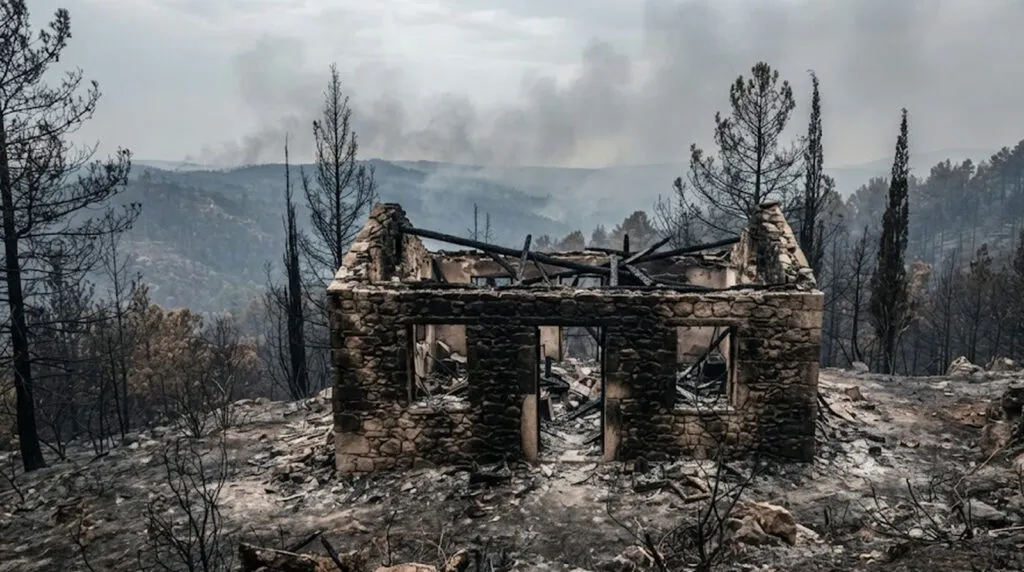
A place half of Macedonia knows by heart. In front of the cameras they managed to say only one thing...

There will be no progress until Netanyahu publicly backs down, and that rarely happens with an election on 27 October....
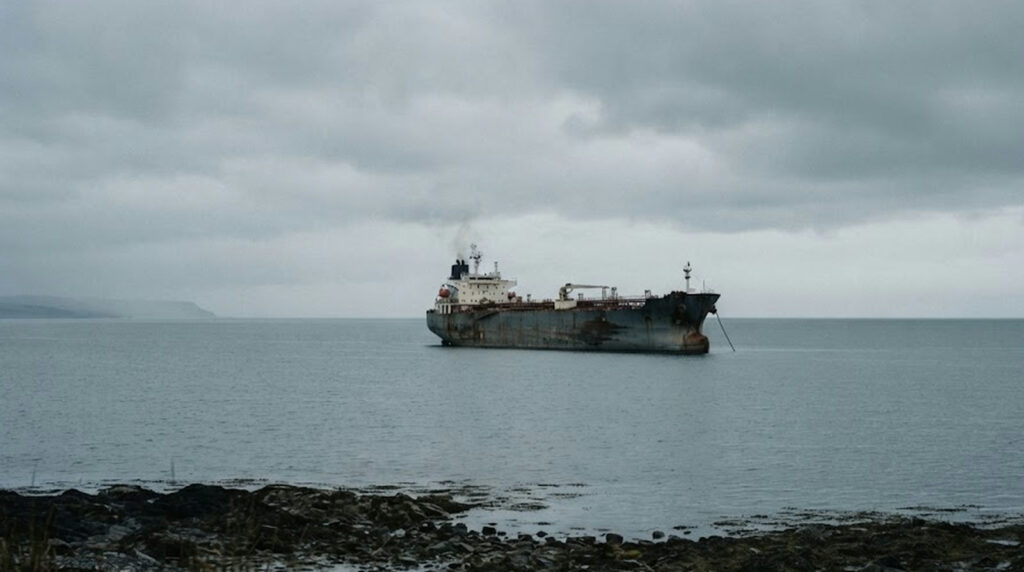
Moscow called the seizure of tankers piracy, then promised to do the same. When the rules at sea are written...
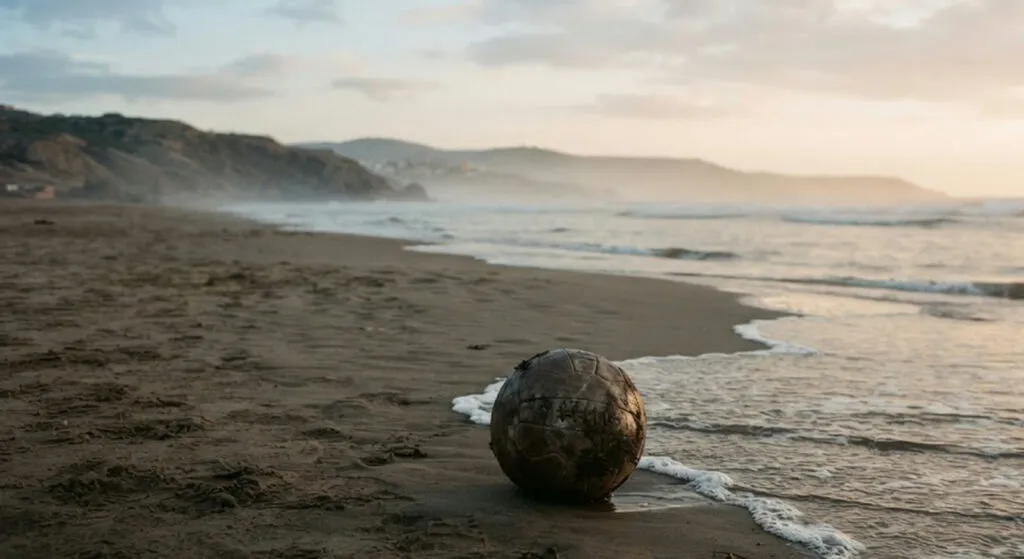
She earned 25 euros per win and cleaned graves to support her family. The document that opened the way for...

In one month the agency moved its estimate from 800,000 to 1.8 million barrels a day of shortfall. The same...

The Russian president claims NATO is infiltrating the Pacific and that the potential for collision is growing. The same speech...
The appeals court refused: there is a high probability he would commit new offences. The crown princess's son has no...
This site uses cookies - is that okay? Learn more
Be the first to know when Metla launches something new
Leave your email and we will write when there is a new guide or something new on Metla.