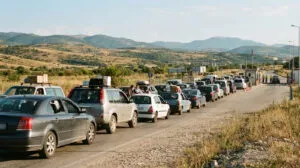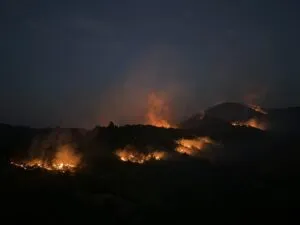
Fifty-two fires in a single day: the flames reached houses in Bogomila, and the whole country has three air tractors
14.08.2026


14.08.2026

14.08.2026

14.08.2026

14.08.2026

14.08.2026

14.08.2026

14.08.2026
14.08.2026

14.08.2026

14.08.2026

14.08.2026

13.08.2026

14.08.2026

14.08.2026

14.08.2026

14.08.2026
13.08.2026

12.08.2026

14.08.2026

14.08.2026

14.08.2026

14.08.2026

14.08.2026

13.08.2026

09.03.2026

27.02.2026

19.02.2026

14.08.2026

13.08.2026

12.08.2026

23.04.2026

23.04.2026

12.04.2026

The US National Transportation Safety Board (NTSB) announced that bird remains were found in the engine of a Ryanair Boeing 737 NG. It concerns the flight from Thessaloniki to Memmingen in Germany, when part of the engine separated, broke a cabin window and the aircraft lost pressure.
At that moment Ljubiša Karović, 61, began sliding out through the opening head first. His wife Svetlana Grković grabbed him by the legs, and two other passengers helped her pull him back inside. The plane was forced to land.
Four bird strikes in twelve months
What makes the report uncomfortable is not the bird itself. According to the preliminary finding of 10 July, the crew reported four suspected bird strikes on the same aircraft over the preceding twelve months. In two cases remains were reportedly found, but subsequent maintenance confirmed no damage. The CFM engine was inspected in May - no irregularities established.
So: four reports, two findings of remains, zero confirmed damage, and three months later part of the engine separates in mid-air. Somewhere in that sequence somebody concluded there was nothing to fix.
The silence of the companies
Boeing and Ryanair declined to comment. GE and Safran, the engine manufacturers, were unavailable. The head of the US Federal Aviation Administration said early indicators do not suggest the Ryanair problem resembles the 2018 Southwest incident - a formulation that reassures and asserts nothing at the same time.
Why this story concerns us directly
Thessaloniki is not a distant airport. It is the exit point towards Europe for a large part of the region - a flight you drive two and a half hours from Skopje to reach instead of paying for an expensive connection through another hub. The passenger is Serbian, the flight departed from Greece, and the aircraft belongs to a low-cost airline that the whole region uses because it is the cheapest.
There is no basis for claiming that flying has become unsafe - the statistics say the opposite. But there is a basis for asking what „inspected, no irregularities established” means when the same engine comes apart over the Aegean three months later. And who will give that answer, if everyone who knows it declines to comment.
The latest 10 news from this category
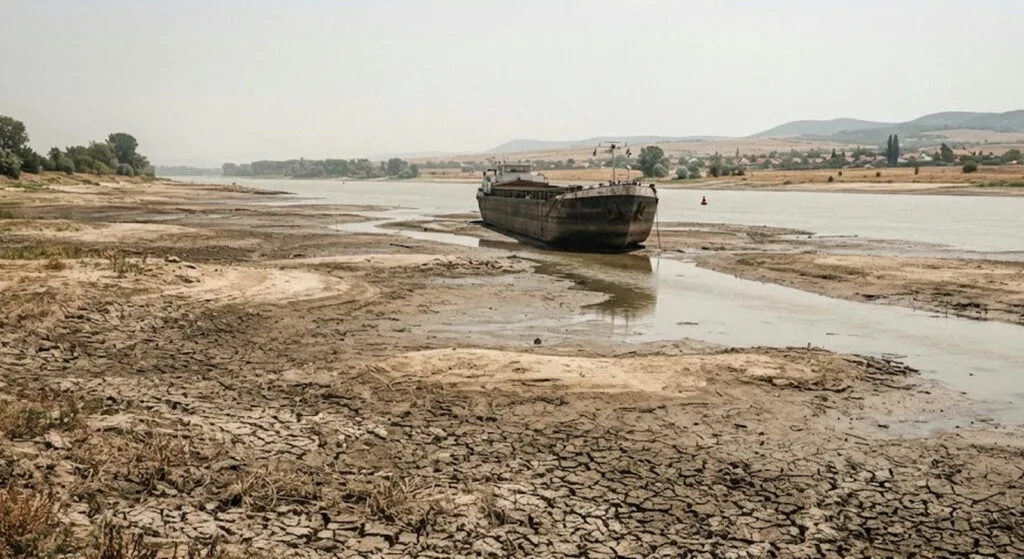
No general staff planned for the drought. The river dried up and did more to block Ukrainian exports than any...

A place half of Macedonia knows by heart. In front of the cameras they managed to say only one thing...

There will be no progress until Netanyahu publicly backs down, and that rarely happens with an election on 27 October....
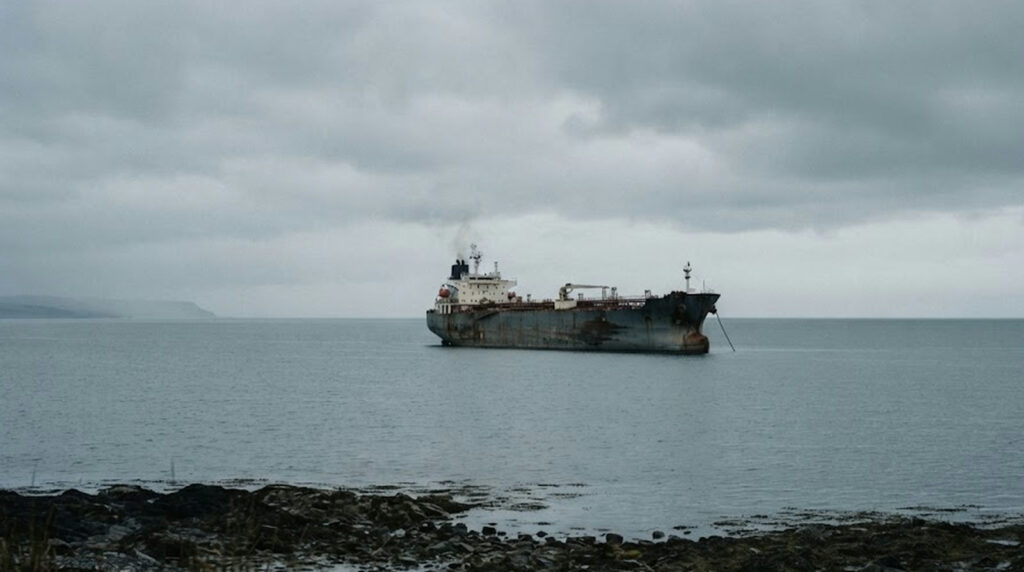
Moscow called the seizure of tankers piracy, then promised to do the same. When the rules at sea are written...

She earned 25 euros per win and cleaned graves to support her family. The document that opened the way for...

In one month the agency moved its estimate from 800,000 to 1.8 million barrels a day of shortfall. The same...

The Russian president claims NATO is infiltrating the Pacific and that the potential for collision is growing. The same speech...

The appeals court refused: there is a high probability he would commit new offences. The crown princess's son has no...

The only country in the world where the ban is official, in writing. Five years is almost an entire secondary...

They abolished his post with a transitional clause, then introduced a requirement tailored so that only he could not meet...
This site uses cookies - is that okay? Learn more
Be the first to know when Metla launches something new
Leave your email and we will write when there is a new guide or something new on Metla.