

Eight Tonnes of Marijuana Crossed the Border in a Year: the Weight Difference Was Measured, the Chain Ran for Months
19.08.2026


19.08.2026

19.08.2026
19.08.2026

19.08.2026
19.08.2026

19.08.2026

19.08.2026
18.08.2026
18.08.2026

19.08.2026

19.08.2026

18.08.2026

19.08.2026

19.08.2026

19.08.2026

19.08.2026

18.08.2026

17.08.2026

19.08.2026

19.08.2026

19.08.2026

19.08.2026
18.08.2026

17.08.2026

09.03.2026

27.02.2026

19.02.2026

19.08.2026
18.08.2026

18.08.2026

23.04.2026

23.04.2026

12.04.2026
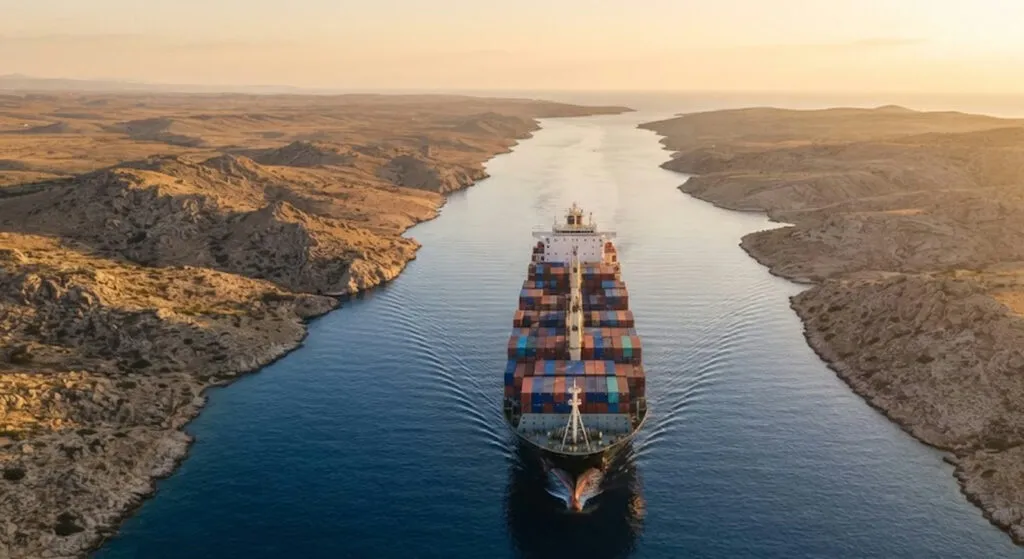
The United Arab Emirates have halted all trade and all financial transactions with Iran - indefinitely. The decision was announced by the state news agency WAM and confirmed by the director for strategic communications at the Foreign Ministry.
No further details were published, and that in itself says a great deal. When a state cuts off all money and all goods with its neighbour across the gulf and does not consider it necessary to explain fully why, it means the reason is more obvious than any statement.
Two missiles and one line that snapped
The Emirati move followed a report from their defence ministry that it had detected two Iranian ballistic missiles aimed at maritime traffic. Not at a military base, not at a city - at the ships. That is precisely the point at which this crisis stops being regional.
The Gulf and the Strait of Hormuz are an artery carrying a large share of the world's energy exports. Anything that frightens shipping operators there is priced into freight rates and insurance premiums the same day, long before it reaches any economy minister. That is why the Emirates are not reacting like an offended neighbour, but like a logistics hub protecting its own function.
The peace memorandum that did not hold
This comes amid heightened tensions in the Middle East, which escalated after joint American and Israeli strikes on Iran. Tehran responded with strikes on states hosting American military assets - the Emirates among them. So the country now severing trade had already been a target.
Mid-June looked different. Iran and the United States, with Pakistan mediating, signed a memorandum of understanding aimed at ending the conflict and securing a lasting peace. Those talks collapsed. The reasons cited are disputes over the terms of the memorandum itself and disagreements about navigation through the Strait of Hormuz.
So it did not fail for lack of goodwill, but over the very thing that started everything - who will control the bottleneck the oil passes through. The memorandum was signed before that question was settled, which is the diplomatic way of saying it was signed before it was finished.
How far away this really is
The Balkans have a habit of treating Middle Eastern crises as somebody else's subject until something concrete starts to shift. This time the concrete thing has a name, and it is Hormuz - around a quarter of the world's seaborne oil trade passes through it. When a neighbouring state cuts off all financial transactions with Iran over missiles above the shipping lanes, that ranks higher than a diplomatic note.
Whether this reaches us, and to what degree, no forecast today can honestly say. What can be said is that the region around the strait is no longer behaving like somewhere expecting negotiations. It is behaving like somewhere preparing for something else.
The latest 10 news from this category

An indictment against 17 people for 31.5 terabytes of research papers and dissertations. The heaviest figure is not how much...
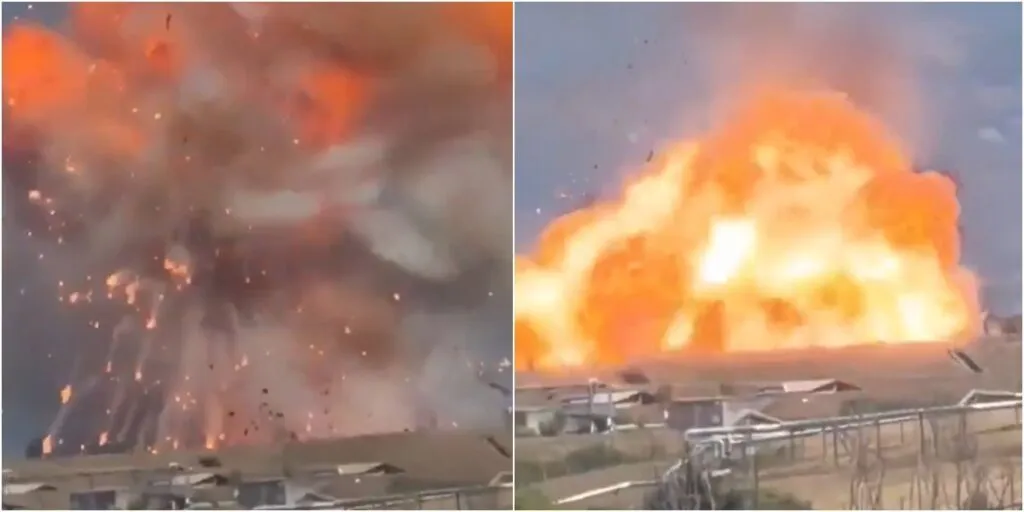
The plant detonated while firefighters were already on site. The defence minister insists it is an internal problem, but prosecutors...

Eighty-nine years old, a blood disease and cortisone that retains fluid. The Norwegian monarchy currently has more people in hospital...

The lowest rating of his career, but the damning detail is elsewhere: 71 percent of Republicans expect the war to...
Vance said goal number one is cheap fuel. Trump contradicted him the same day. When the goal shifts mid-stride, it...
American weapons for Kyiv via Turkish territory, a moratorium on attacks in the Black Sea, and almost a million tonnes...
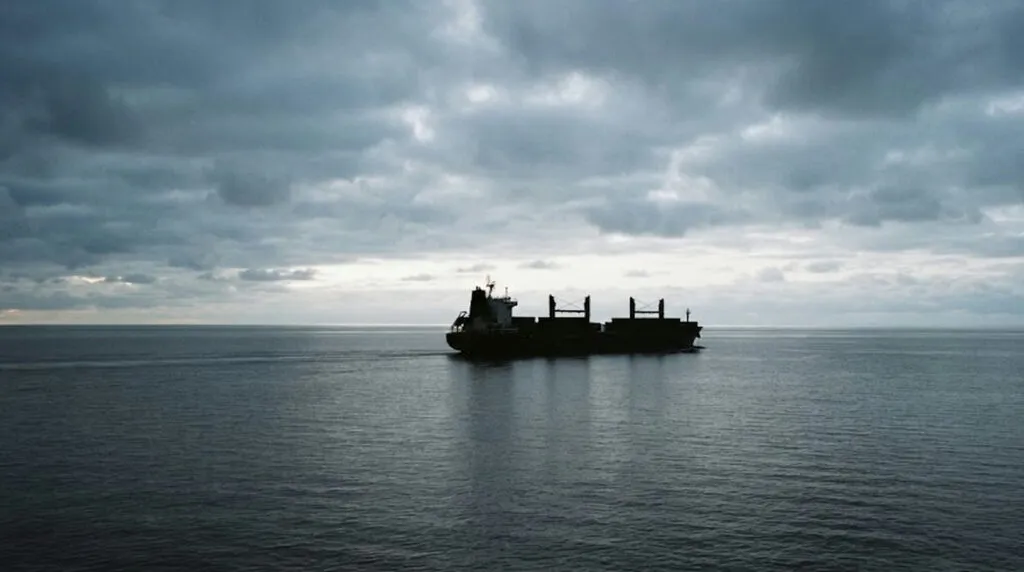
A frigate carrying Kalibr and Zircon missiles appeared off the German island of Fehmarn, and Moscow is silent about its...

Marjorie Taylor Greene wrote that Washington is discussing nuclear weapons against Iran. She attached no document and no source, and...

A few days ago the palace flatly denied the king arrived by ambulance. Today it explains he has been on...

The Pentagon was ordered to scale back the manoeuvres the day before they began, because the drills were sending a...
This site uses cookies - is that okay? Learn more
Be the first to know when Metla launches something new
Leave your email and we will write when there is a new guide or something new on Metla.