
Five Tonnes of Cannabis Straight Through Customs: A Medical Licence as Cover, at Least Five Runs
18.08.2026


18.08.2026

18.08.2026

18.08.2026

18.08.2026

18.08.2026

18.08.2026

18.08.2026

17.08.2026

16.08.2026

18.08.2026

18.08.2026

17.08.2026

18.08.2026

18.08.2026

18.08.2026

18.08.2026

17.08.2026

16.08.2026

18.08.2026

18.08.2026

18.08.2026

18.08.2026

17.08.2026
17.08.2026

09.03.2026

27.02.2026

19.02.2026

18.08.2026

17.08.2026

16.08.2026

23.04.2026

23.04.2026

12.04.2026
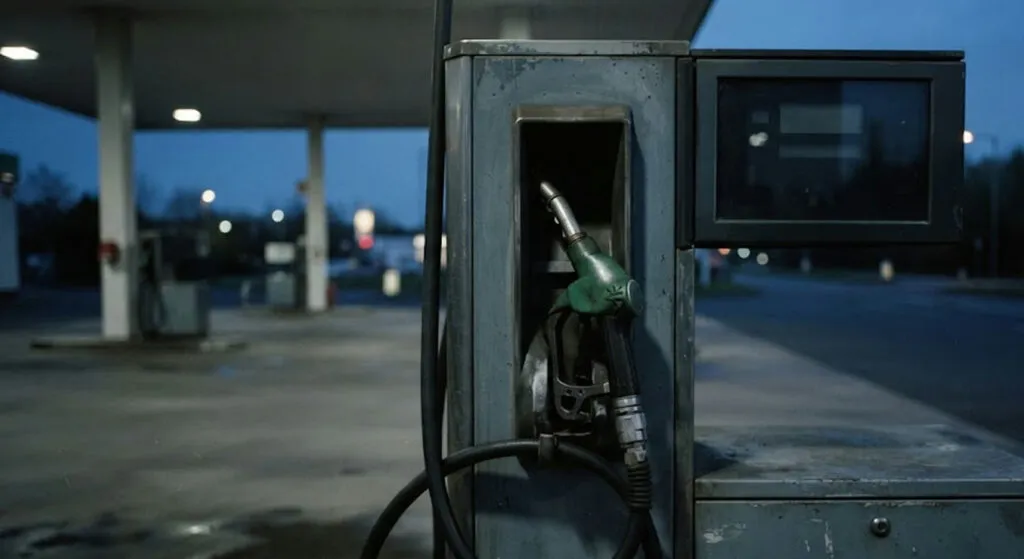
Thirty-three percent. That is how many Americans currently trust their president - the lowest figure Donald Trump has reached since he first entered the White House. Sixty-four percent say they disapprove of what he is doing. Only a few weeks ago the number was 35, which means the slide is not old news but fresh and still moving.
The reason is not hidden in some abstract political analysis. The war with Iran, waged alongside Israel, has disrupted around a fifth of the world's oil trade. What follows a sentence like that, everyone in the Balkans knows by heart: the price at the pump goes up, and the bills at home do not wait for diplomacy.
A war that will not end quickly - and both sides say so
The most interesting part of the poll is not the approval rating but one question on which America suddenly answered with one voice. Around 80 percent of respondents believe American involvement in Iran „will last a long time”. Among Democrats, 87 percent share that view. Among Republicans - 71 percent. Only 16 percent believe the matter will be wrapped up within a few weeks.
When your own electorate tells you it sees no way out, that is no longer a party split. That is an admission. The poll covered 1,166 adult Americans, with a margin of error of three percentage points - narrow enough that the result cannot be written off as statistical noise.
Iran has meanwhile largely blocked maritime trade through the Strait of Hormuz. The direct fighting has quietened; the pressure on the economy has not. This is the phase of a conflict that rarely makes headlines and lasts the longest - when nobody is shooting and everybody is paying.
The promises and the bill
Trump came to power on two main promises: he would stop inflation, and he would not drag America into long wars. Eighteen months later both sit open on the table in front of the voters, and the congressional elections are approaching. Republicans in the House are reading that same number - 33 - and know exactly what it means for them in November.
Can public anger really change the course of a foreign policy? In the Balkans we have watched governments survive worse numbers, simply because the opposition was weaker than their rating. The question is not how many people are angry - the question is who has the alternative.
The latest 10 news from this category
Vance said goal number one is cheap fuel. Trump contradicted him the same day. When the goal shifts mid-stride, it...

American weapons for Kyiv via Turkish territory, a moratorium on attacks in the Black Sea, and almost a million tonnes...
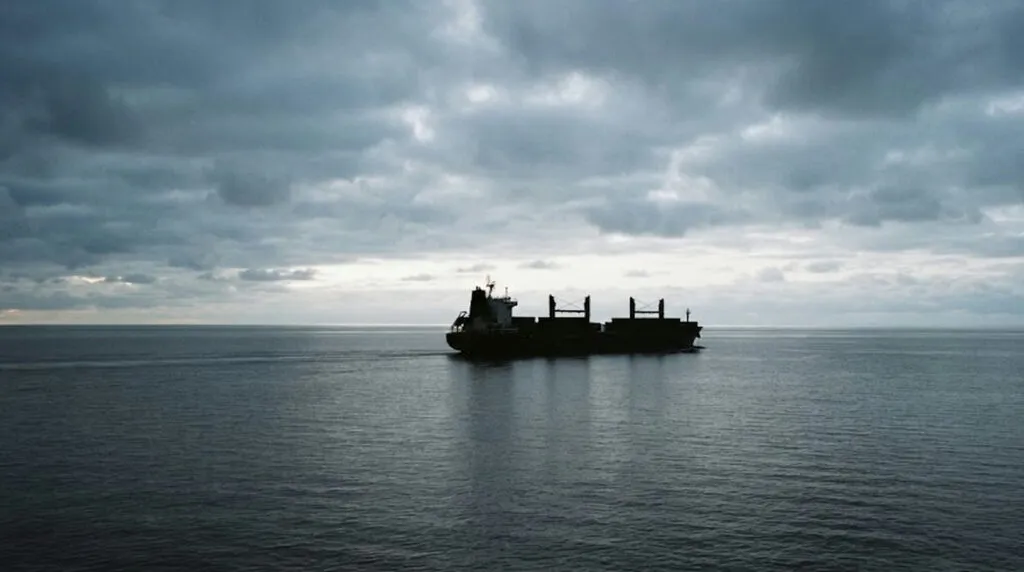
A frigate carrying Kalibr and Zircon missiles appeared off the German island of Fehmarn, and Moscow is silent about its...

Marjorie Taylor Greene wrote that Washington is discussing nuclear weapons against Iran. She attached no document and no source, and...

A few days ago the palace flatly denied the king arrived by ambulance. Today it explains he has been on...

The Pentagon was ordered to scale back the manoeuvres the day before they began, because the drills were sending a...

The youngest Black professor in the university's history was given a home alarm and mail screening because of racist threats....

Netanyahu said a week ago that Trump's plan was unacceptable; today he is on the meeting schedule. Hamas accepted it...
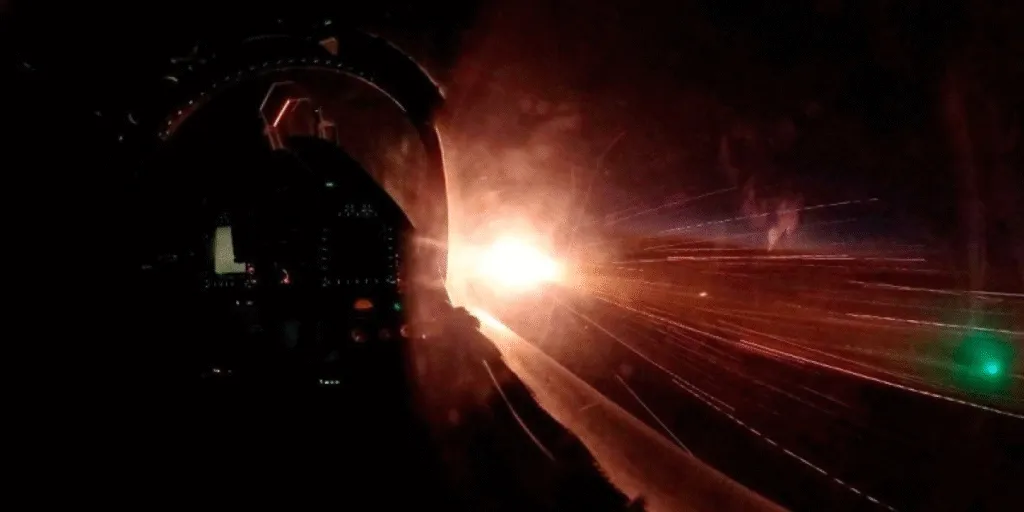
NATO published cockpit footage - a flash in the night over allied skies. The drone carried no explosives. Anyone reading...

A principality whose monarch holds a real veto has finally equalised primogeniture. The reform applies only to future births, meaning...
This site uses cookies - is that okay? Learn more
Be the first to know when Metla launches something new
Leave your email and we will write when there is a new guide or something new on Metla.