
Five Tonnes of Cannabis Straight Through Customs: A Medical Licence as Cover, at Least Five Runs
18.08.2026


18.08.2026
18.08.2026

18.08.2026

18.08.2026

18.08.2026

18.08.2026

18.08.2026

17.08.2026

16.08.2026

18.08.2026

18.08.2026

17.08.2026

18.08.2026

18.08.2026

18.08.2026

18.08.2026

17.08.2026

16.08.2026

18.08.2026

18.08.2026

18.08.2026

18.08.2026

17.08.2026
17.08.2026

09.03.2026

27.02.2026

19.02.2026

18.08.2026

17.08.2026

16.08.2026

23.04.2026

23.04.2026

12.04.2026
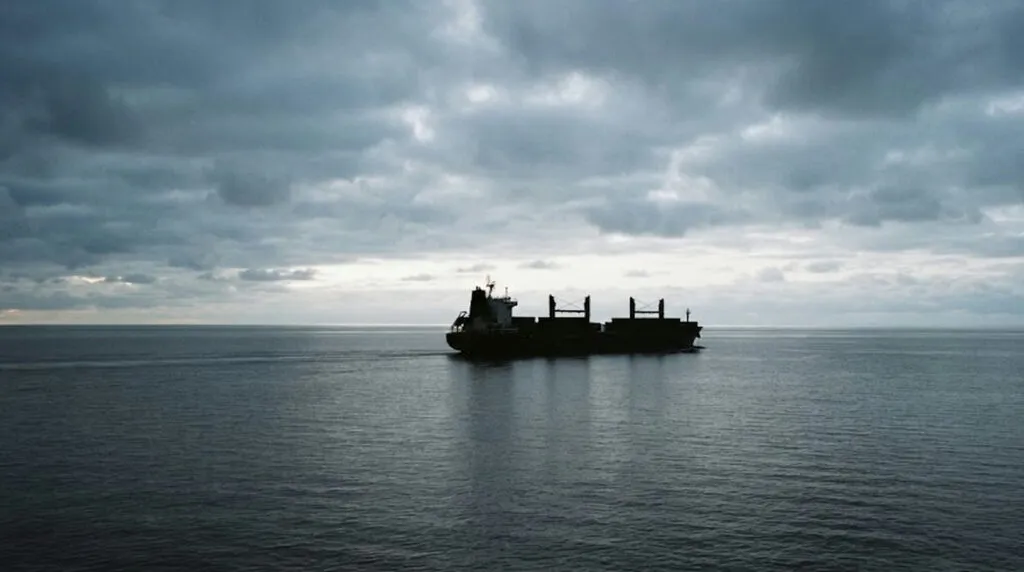
Mid-August, the German island of Fehmarn, and passing by it the „Admiral Kasatonov” - a frigate of Russia's Northern Fleet. Its arrival was first reported by the German paper „Kieler Nachrichten”, which notes that this is the second large Northern Fleet warship moved into the Baltic Sea in just a few weeks. Moscow has not said why it was sent. That silence is part of the message.
The „Admiral Kasatonov” entered service in 2020 and belongs to the „Admiral Gorshkov” class, project 22350 - among the more modern surface combatants in the Russian navy. It can carry „Kalibr” cruise missiles and is also adapted for „Zircon” hypersonic missiles. That is why its appearance in the Baltic weighs far more than an ordinary Russian ship transiting the region.
Two ships and a thirty-year gap
Before it, at the end of July, the „Admiral Levchenko” also passed Fehmarn - a ship from an entirely different era. It entered service in 1988, is around 163 metres long and belongs to the Soviet „Udaloy” class, originally designed for anti-submarine warfare. It carries air defence systems, torpedoes, guns and up to two Ka-27 helicopters.
So within a short span, two large Northern Fleet ships have appeared in the Baltic: one from the Soviet era and one from the newest generation of Russian frigates. That does not look like a rotation. It looks like a message sent in two deliveries.
Putin called the seizures „piracy”
All of this comes immediately after the Russian president's warning to European states over their moves against the so-called shadow fleet. Putin called the seizures and inspections of ships linked to Moscow „piracy” and threatened „reciprocal measures”, describing the European actions as an attempt to seize Russian property.
The reciprocal-measures wording opened the question of whether Russia might at some point try to stop or inspect European merchant vessels. No concrete plan has been published so far. But Swedish military officials warned back in June that the Russian navy had changed its behaviour - it now escorts shadow-fleet vessels far more openly than before.
Maritime security expert Moritz Brake told „Bild” that Moscow is above all trying to create uncertainty and raise the cost of Western measures. „Such threats must not simply be accepted - especially if actions follow them”, he warns.
There is no confirmation that these two particular ships were sent to protect the shadow fleet. But the picture on the water has changed: the dispute over Russian tankers is no longer only sanctions policy on paper, it is a contest at sea. And when a sea carrying this much commercial traffic becomes a place for measuring strength, the bill rarely stays with those doing the arguing.
The latest 10 news from this category

The lowest rating of his career, but the damning detail is elsewhere: 71 percent of Republicans expect the war to...

Vance said goal number one is cheap fuel. Trump contradicted him the same day. When the goal shifts mid-stride, it...

American weapons for Kyiv via Turkish territory, a moratorium on attacks in the Black Sea, and almost a million tonnes...

Marjorie Taylor Greene wrote that Washington is discussing nuclear weapons against Iran. She attached no document and no source, and...

A few days ago the palace flatly denied the king arrived by ambulance. Today it explains he has been on...

The Pentagon was ordered to scale back the manoeuvres the day before they began, because the drills were sending a...

The youngest Black professor in the university's history was given a home alarm and mail screening because of racist threats....

Netanyahu said a week ago that Trump's plan was unacceptable; today he is on the meeting schedule. Hamas accepted it...
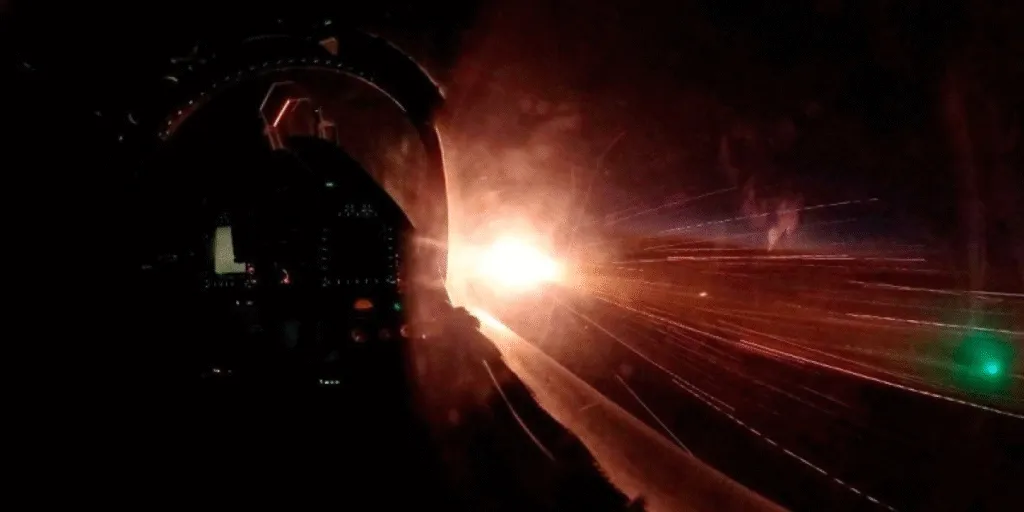
NATO published cockpit footage - a flash in the night over allied skies. The drone carried no explosives. Anyone reading...

A principality whose monarch holds a real veto has finally equalised primogeniture. The reform applies only to future births, meaning...
This site uses cookies - is that okay? Learn more
Be the first to know when Metla launches something new
Leave your email and we will write when there is a new guide or something new on Metla.