Six Men Brawled Outside the Police Station in Kočani: Now They'll Also Check What the Officers Were Doing
17.08.2026


17.08.2026
17.08.2026
17.08.2026

17.08.2026

17.08.2026
17.08.2026

17.08.2026

16.08.2026

15.08.2026

17.08.2026

17.08.2026
16.08.2026

17.08.2026
17.08.2026

17.08.2026

17.08.2026

16.08.2026

15.08.2026

17.08.2026

17.08.2026

17.08.2026
17.08.2026

17.08.2026
16.08.2026

09.03.2026

27.02.2026

19.02.2026
16.08.2026

15.08.2026
14.08.2026

23.04.2026

23.04.2026

12.04.2026
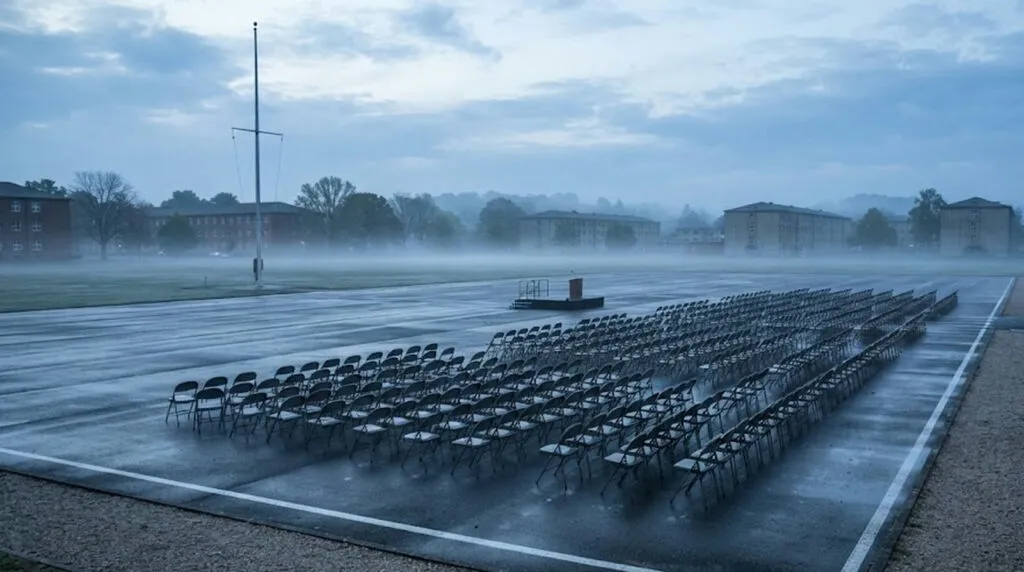
Trump last night ordered the Pentagon to drastically scale back joint military exercises with South Korea. The reason, in his version, is not the budget and not strategy. The reason is that the drills were sending an „inappropriate and hostile signal” towards a country which, as he wrote, „since Donald J. Trump has been president, poses no threat and behaves with respect”.
The country he is talking about is North Korea. The same one that walked out of the Nuclear Non-Proliferation Treaty in 2003 and has since regularly tested missiles and nuclear devices despite UN sanctions. According to the president of its main military opponent, it is now a well-behaved neighbour.
The ally finds out via Truth Social
The news did not arrive by diplomatic note, nor through the State Department. It arrived as a post on Trump's private network, after it had already been agreed that the US would take part. He even admits it is too late to cancel the drills entirely, but adds that he is „not happy” that America agreed at all. The joint Ulchi Freedom Shield exercises are scheduled from 17 to 27 August - meaning they start on the very day he wrote this.
Picture how that looks from Seoul. Your defence has been built for decades around one assumption: the American presence is a constant. And then the constant is reconsidered in a social media post, the day before the manoeuvres begin.
The price of one „no, thank you”
In the same post Trump added something he himself called „somewhat unrelated”. He recently asked the South Korean president whether they would join in the denuclearisation of Iran. The answer was: „No, thank you.”
The two things sit side by side in the same text, and he insists they are unconnected. A refusal to join someone else's war, followed by a reduction in joint defence - and the reader is supposed to believe that is a coincidence. Who actually reads it as a coincidence?
What the Balkans recognise instantly
This is a story about what a security guarantee is worth when the guarantor's mood shifts. The Korean peninsula has technically been at war since 1953 - an armistice, not a peace treaty. Seoul has sat on that unfinished business for seven decades, leaning on the American presence.
Trump has walked this road before. At the summits in Singapore in 2018 and Hanoi in 2019 he met Kim Jong Un in person, called the drills too expensive and „provocative” and scaled them back. The denuclearisation talks collapsed in Hanoi, Pyongyang carried on developing long-range ballistic missiles, and Trump held to the view that his personal relationship with Kim is the basis of regional stability.
A region that has read this lesson knows what that arithmetic costs. The guarantee holds as long as it is cheap and as long as someone likes how it sounds. South Korea is learning that in public today - and from an ally, not an adversary.
The latest 10 news from this category
The youngest Black professor in the university's history was given a home alarm and mail screening because of racist threats....
Netanyahu said a week ago that Trump's plan was unacceptable; today he is on the meeting schedule. Hamas accepted it...
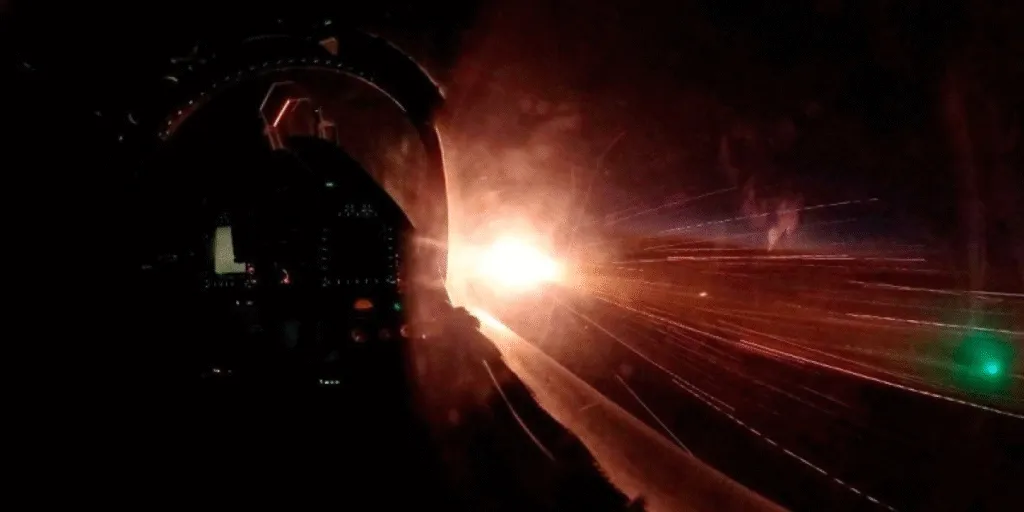
NATO published cockpit footage - a flash in the night over allied skies. The drone carried no explosives. Anyone reading...
A principality whose monarch holds a real veto has finally equalised primogeniture. The reform applies only to future births, meaning...

A Polish coach carrying 59 people left the M3 motorway near Mezokeresztes at one in the morning. The driver is...

Washington is preparing a letter that will force a dozen countries to pick a side in the artificial intelligence race....
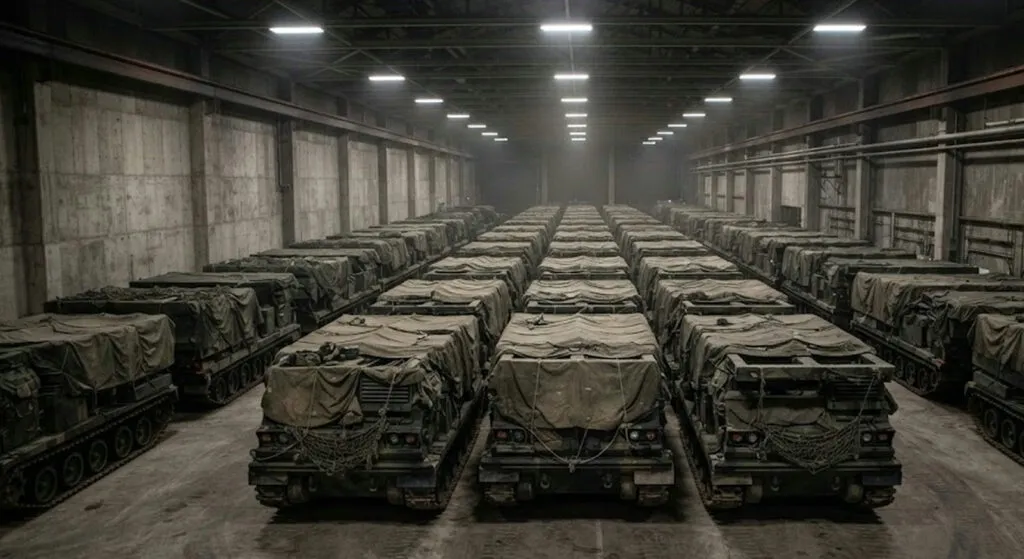
Twelve MLRS launchers and 70 ballistic missiles would travel from Turkish warehouses to Kyiv - through private companies from Turkey,...
Europe cut its purchases of liquefied gas to the lowest level in two years while simultaneously increasing intake via TurkStream....
A two-thirds majority - but within the family itself, with no government and no referendum. And the reform applies to...
He said it at a rally and the crowd laughed. Two days earlier he posted that the US has full...
This site uses cookies - is that okay? Learn more
Be the first to know when Metla launches something new
Leave your email and we will write when there is a new guide or something new on Metla.