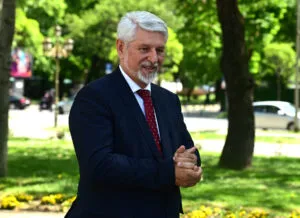
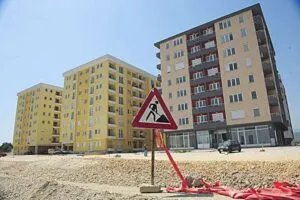
A New Criminal Complaint Against Jakimovski: A Building Permit Based on a Plan Struck Down Back in 2018
16.09.2026


16.09.2026
16.09.2026

16.09.2026
16.09.2026
16.09.2026
16.09.2026

16.09.2026

15.09.2026

14.09.2026
16.09.2026

16.09.2026

15.09.2026

16.09.2026

15.09.2026
14.09.2026

16.09.2026

16.09.2026

16.09.2026

16.09.2026

15.09.2026
15.09.2026

09.03.2026

27.02.2026

19.02.2026

16.09.2026

15.09.2026

14.09.2026

23.04.2026

23.04.2026

12.04.2026

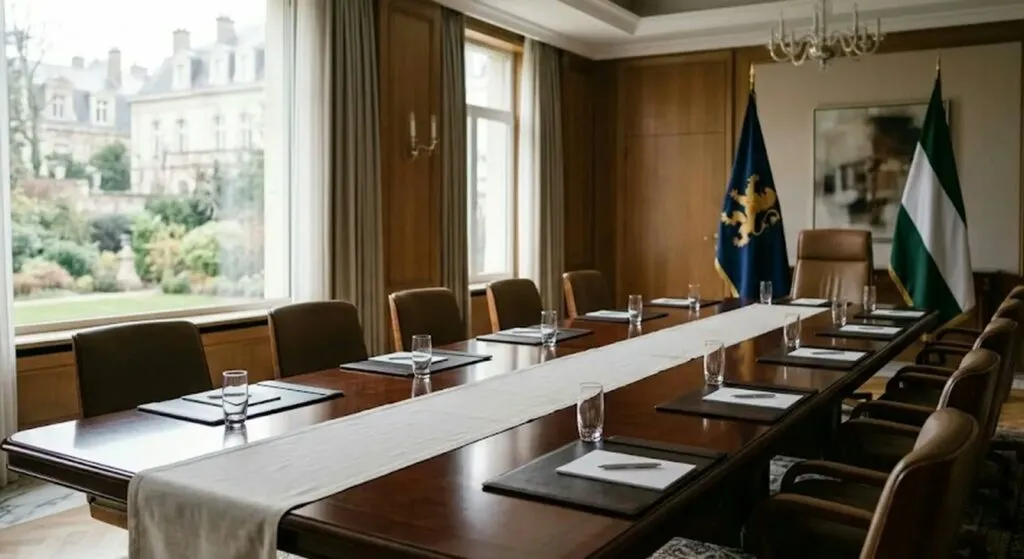
Hungary was for a long time the „problem partner" for Brussels when it came to Russia. Viktor Orban, until recently, presented himself as a „bridge" to Moscow. That is now changing - and not because of the EU, but because of a real event: five direct hits from Russian drones in the Zakarpattia region.
Hungarian Prime Minister Péter Magyar officially summoned the Russian ambassador for talks - the diplomatic translation for „anger". An emergency cabinet meeting was also convened. Zakarpattia was long considered a relatively safe zone - far from the front, near the border with two NATO member states. That's no longer the case.
„Russia is a threat not just to Ukraine, but to the neighbouring countries and to the whole of Europe," Magyar said. A sentence that, coming from Poland or Romania, wouldn't even be commented on. Coming from Budapest, it's a shift. Hungary has not spoken this way since 2022.
Zelensky publicly thanked him. Diplomatic circles read the situation plainly: the strike on Zakarpattia was a „red line" for the Hungarian government. It's a border region with a significant Hungarian minority community - and Russian missiles there are felt not like in Ukraine, but as if hitting „our own". Moscow crossed the line Budapest had never allowed to be crossed.
What does this mean for the wider picture? Perhaps the start of a new phase where even Russia's „bridge-partners" can no longer hold the tone. If both Orban and Magyar - taken as a whole, Hungarian politics - are now talking about Russia as a „threat to the whole of Europe", the question is which EU countries can still present themselves as „neutral" or as „friends" to Moscow.
For the Balkans, this is significant news. Right next to our borders we had a country playing a double game. Now that game is leaving the menu. It may also push Serbian, Bulgarian and Greek politics to become clearer in the months ahead.
The latest 10 news from this category

Sanctions imposed over one war are being offered as currency in an entirely different dispute. Most member states are against...
El Nino in the Pacific shifts the currents that decide where snow falls. An area that usually gets a metre...
The easiest way to dismiss an uncomfortable argument is to point at who is making it. But that does not...
The appeals court ruled the entire trial must start over. The son of Norway's queen is waiting for it on...
Trump scaled back the military exercises to ease the tension, and Wonsan answered in the form of projectiles. What does...

The sanctions list got a seven-day extension instead of one measured in months, a move diplomats themselves call unprecedented. Two...
Switzerland offered a table for talks on Ukraine, Moscow replied that the table stopped being neutral once Bern adopted EU...
The will says one thing, a committee of twenty-one men decided another. The queen mother says the army pulled the...
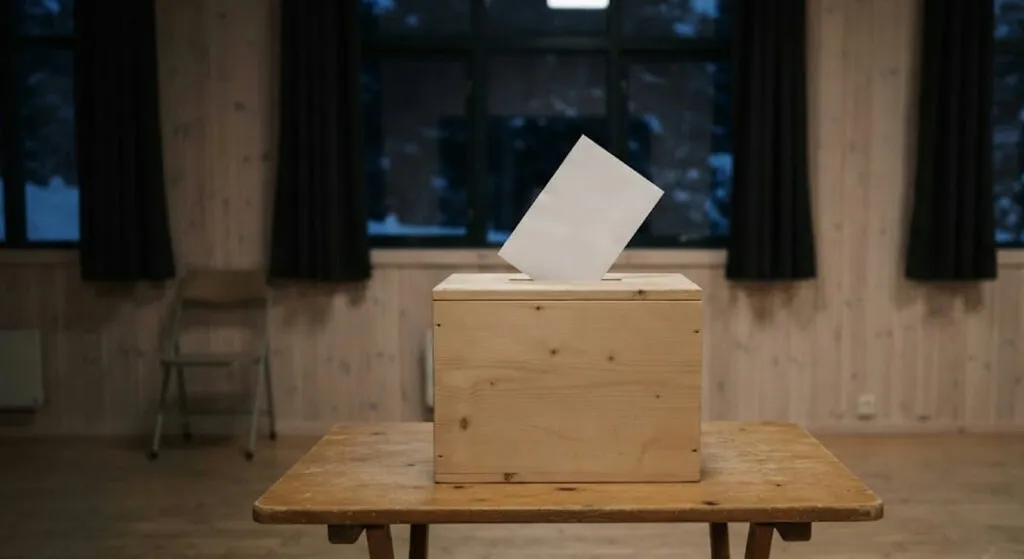
A country that was Europe's byword for stability for decades now has a parliament split into two blocs by a...
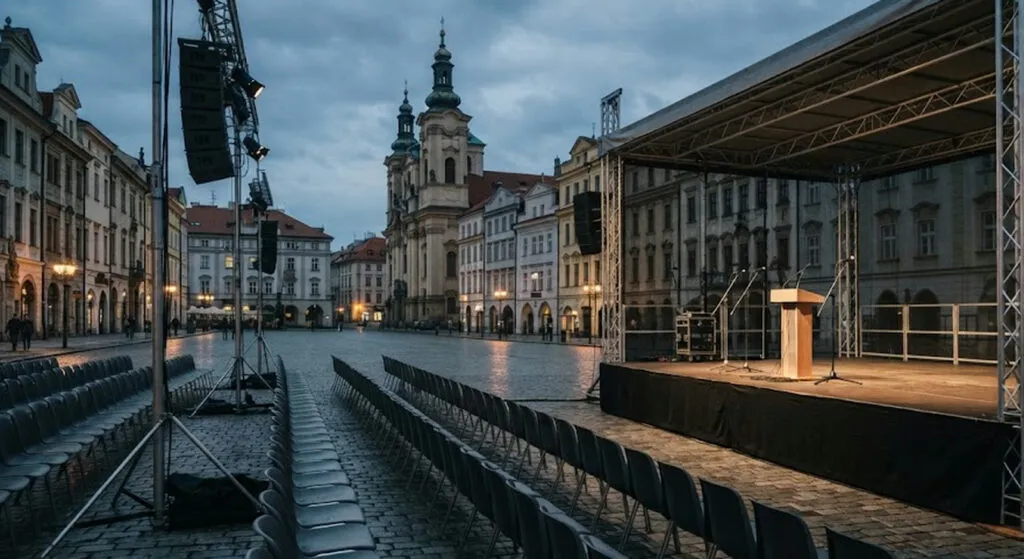
Sixteen years in power, defeat at a regular election, five months of quiet - and now the election result is...
This site uses cookies - is that okay? Learn more
Be the first to know when Metla launches something new
Leave your email and we will write when there is a new guide or something new on Metla.