


They Rode In on Scooters, Torched the Shops and Left: The Fire in Shuto Orizari Burned for Three Hours, Setting It Took Fifty Seconds
13.09.2026


13.09.2026

13.09.2026

13.09.2026

13.09.2026

13.09.2026

13.09.2026

13.09.2026

12.09.2026

11.09.2026

13.09.2026

13.09.2026

12.09.2026

13.09.2026

13.09.2026

13.09.2026

13.09.2026

12.09.2026

11.09.2026

13.09.2026

13.09.2026

13.09.2026

13.09.2026

13.09.2026

12.09.2026

09.03.2026

27.02.2026

19.02.2026

13.09.2026

12.09.2026

11.09.2026

23.04.2026

23.04.2026

12.04.2026


Wall Street went through a red day yesterday of a kind not seen in a long while, and the cause is a combination anyone in the Balkans understands instinctively: expensive oil and disappointing results from the tech giants. When New York sneezes, the world reaches for tissues - and the inflation fear, it seems, is back on the table.
The indices fell across the board. The Dow Jones lost 0.97 percent, the S&P 500 dropped 1.21 percent, and the tech-heavy Nasdaq sank 2.15 percent. The trigger for the sell-off was two names: Tesla shares plunged about 14 percent, and Alphabet, Google's parent company, lost seven percent after announcing capital expenditure of 195 to 205 billion dollars for artificial intelligence investment.
The second wing of the crisis came from the Middle East. After attacks on tankers in the Red Sea and threats of strikes on Iranian targets, Brent crude jumped about 7 percent and crossed the 100-dollar-a-barrel line. And when oil gets more expensive, the inflation fear doesn't stay in New York - it travels with every truck, ship and plane.
The markets instantly recalculated the consequence: the probability that the US central bank will raise rates in September leapt to over 80 percent, from around half only a week earlier. Yields on ten-year US bonds briefly topped 4.7 percent. In other words - money is getting more expensive again.
For a Balkan who still remembers how the energy shock of a few years ago tore apart the electricity and heating bills, news like this is not abstract stock-market statistics. Expensive oil and higher interest rates are a language the region knows by heart. The question isn't whether it will reach us - but how long it will take.
The latest 10 news from this category
The deficit target raised from 3.5 to 4.1 percent of GDP, spending growing faster than revenue, and the growth forecast...

On euro loans with a variable rate, the rise comes due at the next reset. On fixed ones, it does...
The agreed price for first class is 40 denars. At the collection points they pay 15 to 18. Across the...
A Skopje company owes 14.87 million euros and there is nothing to recover it from. In one month the total...
223,711 tourists and 795,083 overnight stays in July. Turkey still leads with 50,955 guests, but its number fell by 7.6...

When the two biggest firms in an industry ask for rules on how fast anyone may run, the rules rarely...

Not a single password fell. What fell was the assumption that a request from a government domain is automatically a...

The board voted, the founder kicked the administrators out of Slack and held out for three days. What does a...
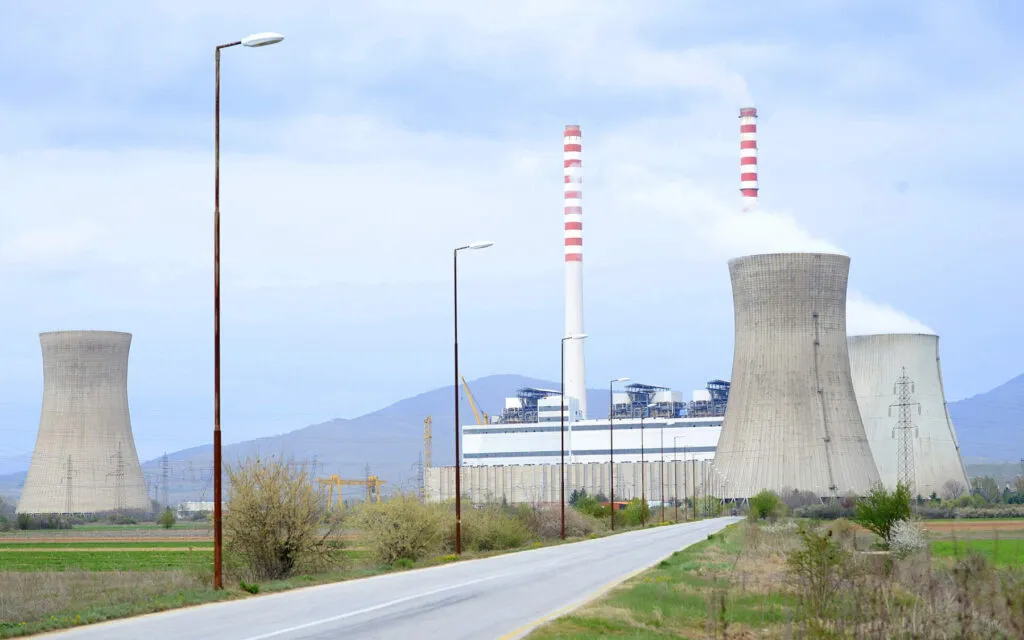
An announcement is not an adopted tariff. A lower bill is good news only if its cost has not been...

The Balkans have a long tradition of producing something valuable and selling it under someone else's name. The difference between...
This site uses cookies - is that okay? Learn more
Be the first to know when Metla launches something new
Leave your email and we will write when there is a new guide or something new on Metla.
