Kitka Has Been Burning for Days, and the Emergency Agency Says Someone Relights It Every Single Day
27.08.2026


27.08.2026

27.08.2026

27.08.2026

27.08.2026

27.08.2026

27.08.2026

27.08.2026

26.08.2026

25.08.2026
27.08.2026

27.08.2026

26.08.2026
27.08.2026
26.08.2026

25.08.2026

27.08.2026

27.08.2026

27.08.2026

27.08.2026

26.08.2026
26.08.2026

09.03.2026

27.02.2026

19.02.2026

27.08.2026
26.08.2026

25.08.2026

23.04.2026

23.04.2026

12.04.2026
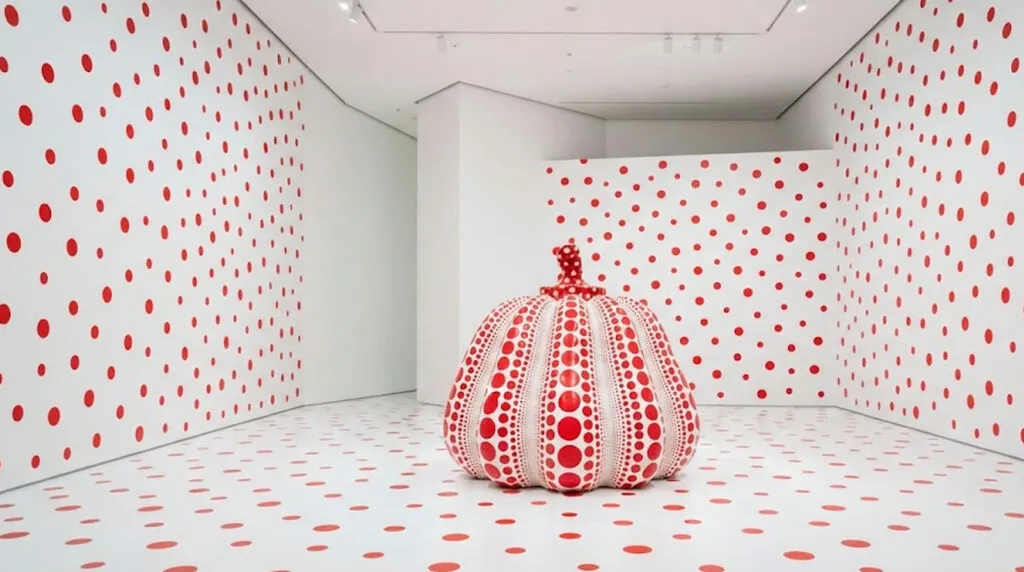
Long before millions queued to photograph themselves inside her mirror rooms, Yayoi Kusama was already living in a world without edges - except that world was not a choice, it was a symptom. The Japanese artist died on 14 August at a hospital in Tokyo, aged 97. Her studio said she painted until her final days and never let go of the brush.
The hallucinations began in childhood in Matsumoto, in a wealthy family that dealt in plants. Flowers spoke to her. The pattern on a tablecloth multiplied until it covered the walls, the ceiling and her own body. Her mother threw away her paints and prepared her for marriage. Kusama began drawing the visions in notebooks as an antidote - literally, to reduce the fear.
Out of those notebooks came a language the world spent fifty years learning
The dots, the infinity nets, the repetition of one form until the edge disappears - everything a teenager on Instagram recognises today was built out of something that tormented her. After seeing reproductions of Georgia O'Keeffe in a book, she wrote to her asking for advice. A reply came and encouraged her to show her work. In the late fifties she left for New York.
New York did not welcome her with open arms. A woman, Japanese, in a scene dominated by men - Kusama maintained for years that her ideas ended up with colleagues who got the bigger exhibitions. In 1966, at the Venice Biennale, without an official invitation, she laid out 1,500 mirror balls and began selling them for two dollars each under the slogan "Your Narcissism for Sale", until the organisers stopped her. Twenty-seven years later, Japan officially chose her to represent the country at that same Biennale.
From 1977 she lived in a psychiatric hospital by her own choice
She returned to Japan in 1973, and four years later checked herself into an institution in Tokyo. Every day she walked to the nearby studio and came back in the evening. She stayed there to the end. Pumpkins, which had brought her calm since childhood, became her signature - "The pumpkins talk to me," she said.
Recognition arrived late, in the late eighties, and the mirror rooms from the sixties became a global phenomenon half a century after they were made. She collaborated with Louis Vuitton. Queues outside her exhibitions ran for hours.
The story is usually told as a triumph, and it is. But it is worth noting that she did not change a single thing to be liked - the world changed. How much talent here is waiting for someone to agree with it first, and only then acknowledge it?
The latest 10 news from this category

The head of the Protection and Rescue Directorate is talking about a group that reignites the same fire near Dracevo...

One night's police bulletin from Veles counts three call-outs - an abducted minor, threats at 2.14 per mille, and an...

456 speeding fines, 159 motorcyclists without a helmet and two men who drove despite a court ban. The checks work...

The local community council quotes the Criminal Code at the culprit itself and buys its own cameras. The institutions got...
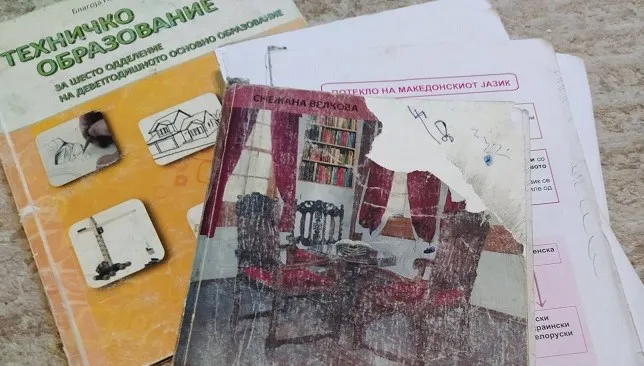
Minister Janevska announced the numbers and handed responsibility for the torn textbooks to the schools. The gap between births and...

Hot African air lasts until Sunday, and from Friday sand arrives over the country too. The advice is to avoid...
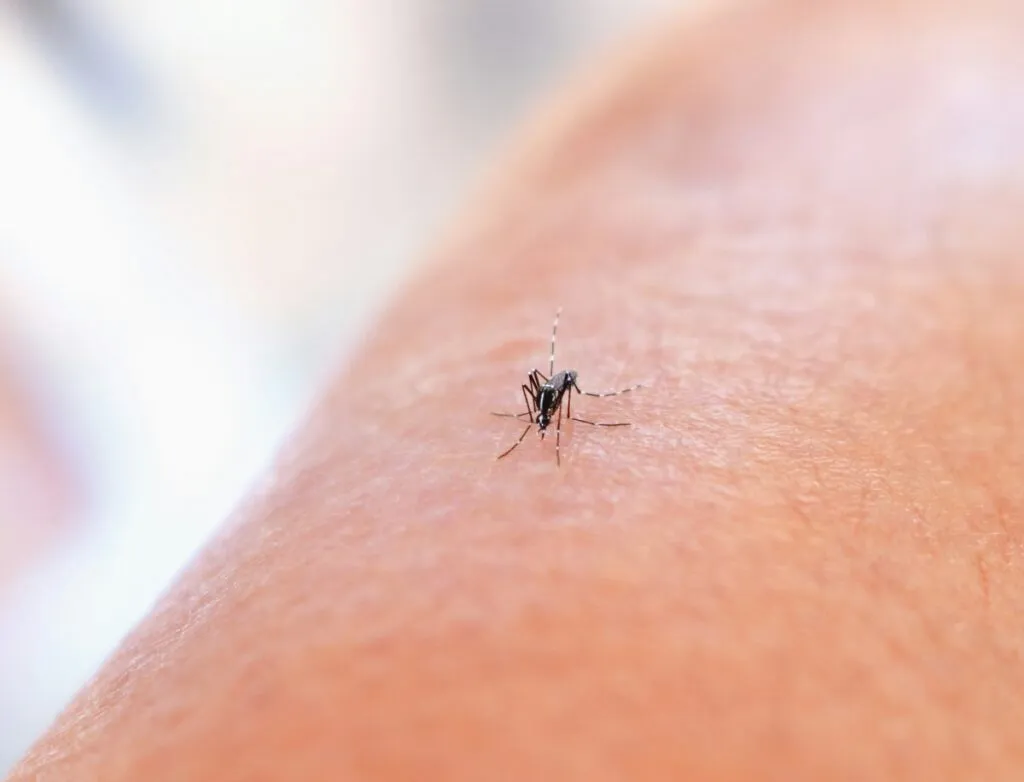
Five dead, 80 per cent of patients over 60. Aerodrom is under a declared epidemic with four infected and carried...

Cameras read the number plates - a second arrival the same day means parking from 100 denars up. Taxi drivers...

The utility announced it washes every micro-location in every municipality. At the same time, Skopje residents are posting photographs of...
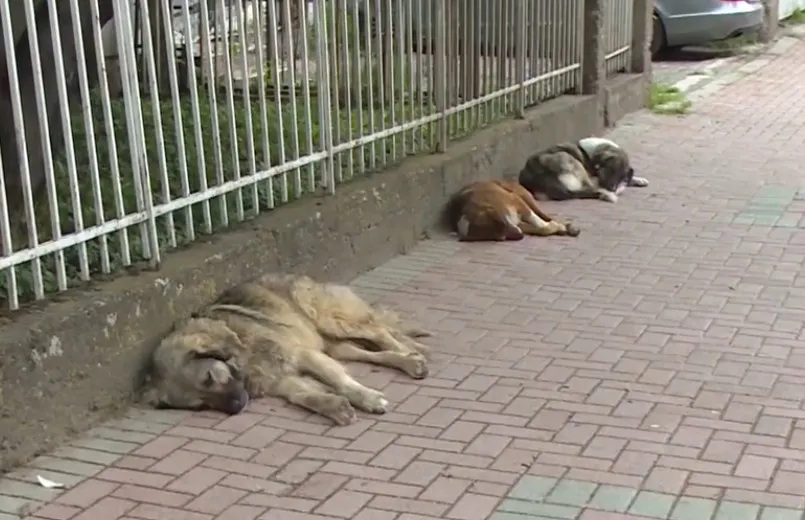
The director says the dogs have no ear tags - meaning they are not strays, but brought and abandoned. And...
This site uses cookies - is that okay? Learn more
Be the first to know when Metla launches something new
Leave your email and we will write when there is a new guide or something new on Metla.