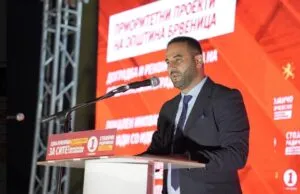
Mickoski celebrates a 4-to-1 win over SDSM in Brvenica, but his candidate got 445 fewer votes than a year ago
19.10.2026


19.10.2026
19.10.2026
19.10.2026

19.10.2026

19.10.2026
19.10.2026

19.10.2026

19.10.2026

18.10.2026

19.10.2026

19.10.2026

18.10.2026

19.10.2026

19.10.2026

19.10.2026

19.10.2026

18.10.2026

17.10.2026

19.10.2026

19.10.2026

19.10.2026

19.10.2026

19.10.2026

19.10.2026
19.10.2026
18.10.2026
18.10.2026
19.10.2026

17.10.2026

15.10.2026

23.04.2026

23.04.2026

12.04.2026

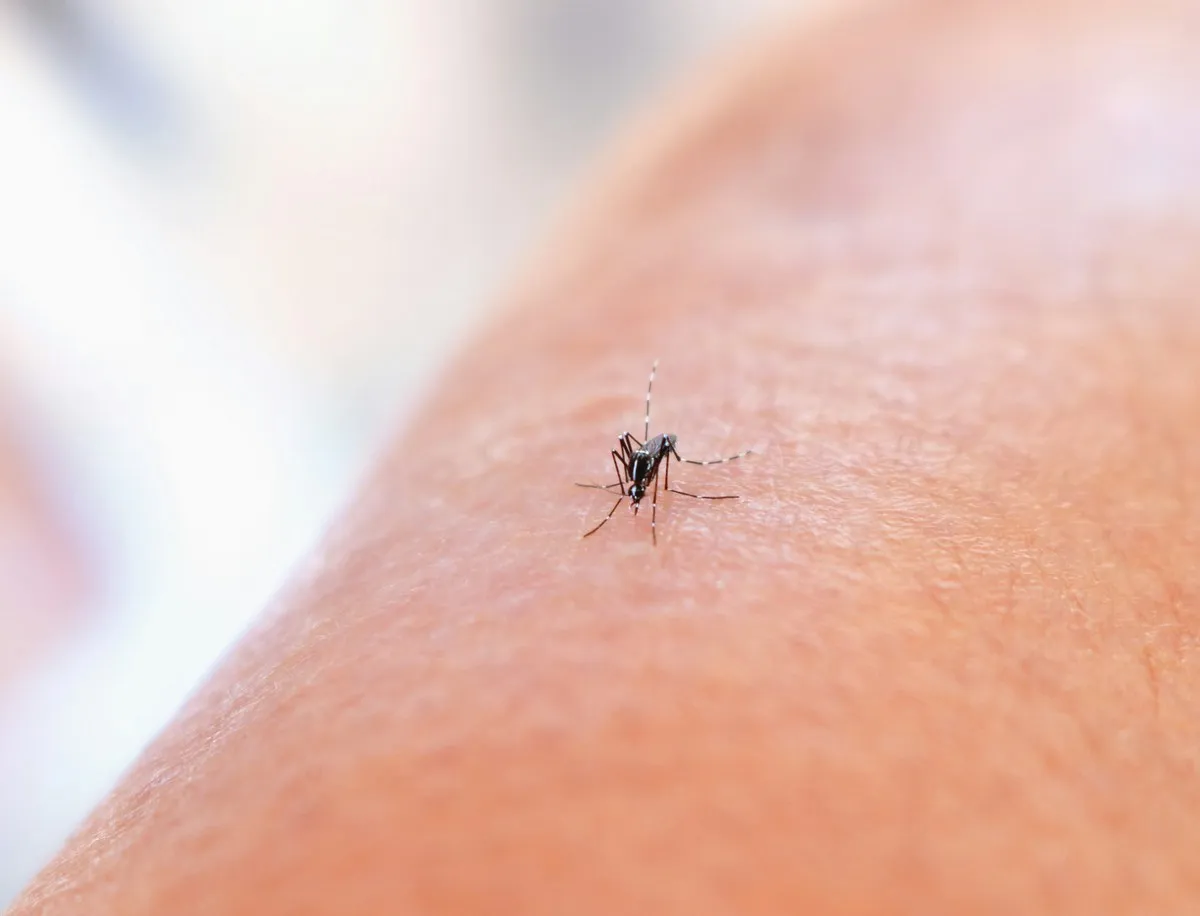
As of 25 August, a total of 50 West Nile fever cases had been registered in Macedonia - 47 confirmed and three probable, according to the weekly report of the Institute of Public Health. Last year, over the same period, there were two cases.
Not two hundred. Two.
Who is falling ill, and where
By place of residence, 48 of the cases are from Skopje, with one each from Veles and Kumanovo. Forty-nine autochthonous cases were registered, meaning the infection was acquired here, in Macedonia, not brought in from abroad. Only one case has a travel history to Greece, and even there the incubation period also covers time spent at home.
The age picture is sharper still. Fully 40 out of 50 patients, that is 80 per cent, are over 60. Seven are aged 50 to 59, one is aged 30 to 39 and two are between 20 and 29. The average age of those infected is 66.1.
That is the age group that handles the disease worst. According to the latest snapshot, 52 of the 53 people who have recovered, are being treated or are still listed as suspected developed the neuroinvasive form of the illness - the one that attacks the nervous system. Only one patient had a form without nervous-system involvement and has already recovered.
Five deaths have been registered so far. Eighteen patients with a confirmed diagnosis are being treated at the Clinic for Infectious Diseases, results are awaited for three more hospitalised patients, and six people are in intensive care.
The map that says too much
The Health Ministry and the Institute of Public Health launched an interactive map at healthalert.mk, where citizens can check where cases are registered, which areas are risky and where spraying has been done. It shows the number of infections, the municipalities, hospitalisations, recoveries and deaths, as well as an infection rate of 2.7 per 100,000 residents.
The site is well built. And that is exactly what makes it uncomfortable - because it also shows what has not been done.
The municipality of Aerodrom has four infected residents, plus one from Dolno Lisice, and is under a declared epidemic - but has not carried out emergency mosquito spraying. Cair has two infected residents and high-risk areas around it, and has not sprayed at all this year. Ilinden, with three infected, sprayed five times between April and July.
Where the mosquitoes live
Flooded basements and shafts in Aerodrom, Novo Lisice and Cair are marked as high-risk areas all year round. The list of very high-risk locations is long: Suto Orizari with its septic pits and standing water, the fish ponds and irrigation basins in Kadino and Mralino, the river Serava in Radisani, Ljubanci and Butel, then downstream at Aracinovo, Mojanci and Orlanci, the wastewater collector and lagoons in Otovica, the drainage canals in Jurumleri, Stajkovci, Singelic, Dracevo and Kojlija, Markova Reka, Katlanovo Marsh and the canals in Batinci, Studenicani and Dolno Kolicani.
Even the ponds in the City Park are rated medium risk - a weak source in themselves, but with the pumps idle for 8 to 10 days they produce an entire generation of mosquitoes, with birds as amplifiers and the highest human exposure in the city.
Skopje has finished its fourth round of spraying against adult mosquitoes - by air on 20 and 21 August, on the ground from 20 to 26 August, plus six emergency treatments in Gazi Baba, Dracevo, Zelenikovo, Studenicani, Butel and Gjorce Petrov.
From information to action
The Ministry also prepared updated guidance for GPs. Particular attention is required for patients on immunosuppressive therapy, since some tests can return a false negative for them - so using several tests is recommended.
All of that is accurate, professional and timely. But a map with marked mosquito breeding sites only makes sense if somebody draws on the data and acts. A municipality under a declared epidemic that can see four of its own patients on the map and still does not carry out emergency spraying is not suffering from a lack of information.
After the map went live, the question is no longer "where are the mosquitoes". The question is who answers when the location is known, the risk is marked, and the spraying does not happen.
The latest 10 news from this category
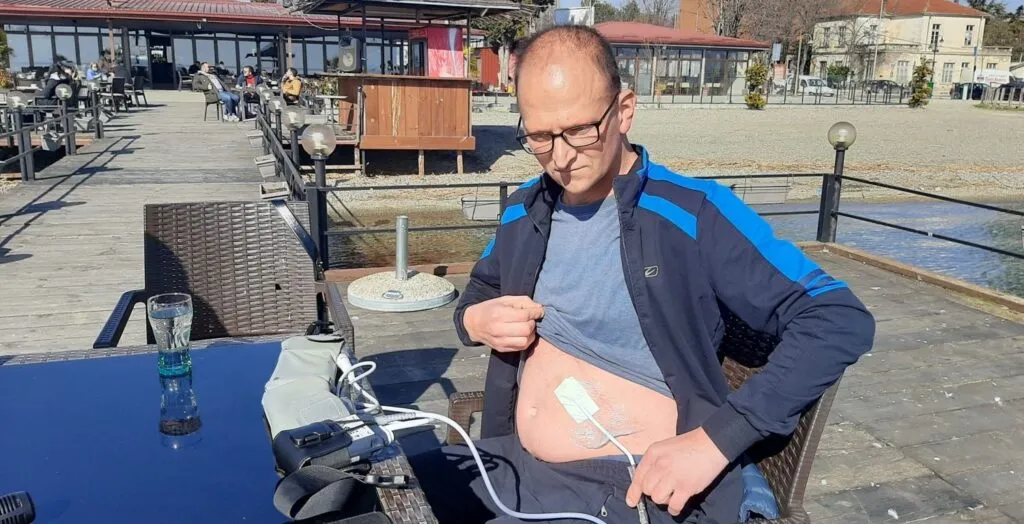
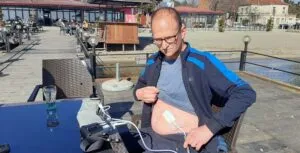
The president of "Brave Heart" took the chance to become the first patient on mechanical support to receive a heart...
Mornings stay cold, afternoons stay pleasant. The long-range forecast is already pointing to the first sub-zero temperatures in mid-November.

The global initiative turned ten; Macedonia marked it for the third time. In the EU, the right to repair is...

Prodanoski boasted about the turnout and the many children and young people at the start line. The next challenge is...
"Cvetan Dimov", "Jajce", Volkovo and a few streets around "Dižonska". Planned and announced, which beats a breakdown - but three...
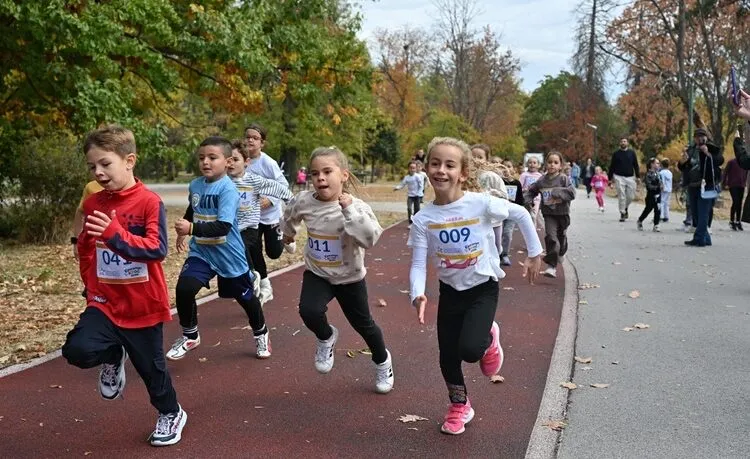
The National Agency for European Educational Programmes wrapped up Erasmus+ week with a race for primary and secondary school students....

An international team of divers explored the cave to 338 metres and lifted Matka from third to first place on...
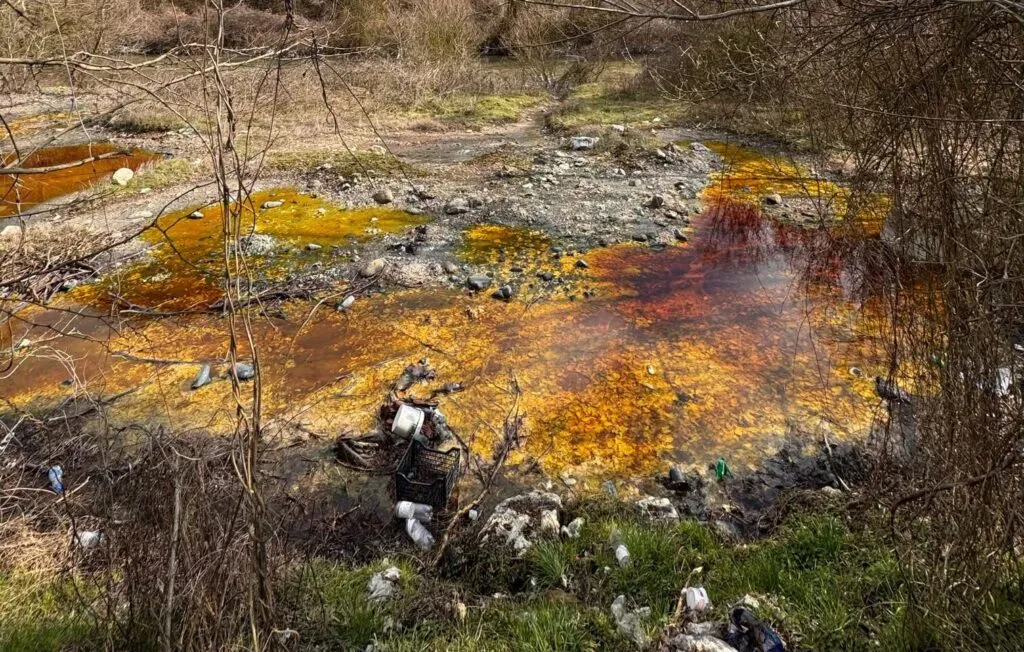
Amendments to the Environment Law deleted the provisions on contaminated areas, and the new soil law, although drafted, still hasn't...

The city says it cancelled the contract with Mastef to avoid a double procurement after a ruling in favour of...

The mayor of Chair praised the heritage of Skopje's Old Bazaar and inspected the master plan projects with Turkish urban...
This site uses cookies - is that okay? Learn more
Be the first to know when Metla launches something new
Leave your email and we will write when there is a new guide or something new on Metla.