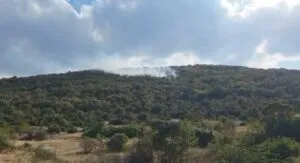
Kitka Has Been Burning for Days, and the Emergency Agency Says Someone Relights It Every Single Day
27.08.2026


27.08.2026
27.08.2026
27.08.2026
27.08.2026

27.08.2026

27.08.2026
27.08.2026
26.08.2026
25.08.2026
27.08.2026

27.08.2026

26.08.2026
27.08.2026
26.08.2026

25.08.2026

27.08.2026

26.08.2026
26.08.2026

09.03.2026

27.02.2026

19.02.2026
27.08.2026
26.08.2026
25.08.2026

23.04.2026

23.04.2026

12.04.2026
Around 14,500 first-graders have enrolled this year. In 2020, when that cohort was born, 19,031 children were born in Macedonia. The difference is not a rounding error - those are thousands of children who disappeared from the system somewhere between the maternity ward and the school desk.
Education Minister Vesna Janevska confirmed at a press conference that the figure is lower than last year's and stressed it is not final, because late enrolments run until the end of September. That is true. But to close the gap between 14,500 and 19,031, another 5,000 or so children would have to register in September - which has never happened in any year so far.
Three hundred fewer classes and 26 schools closing
The minister stated the consequence without wrapping it up: primary education has around 200 fewer classes, secondary around 100 fewer. This year, 26 rural schools with no first-grader enrolled at all are expected to close, and in some of them only five to eight pupils are studying.
Janevska defends the decision by arguing it is about quality, not savings: "If we have a central school with 200 children and 2.5 kilometres away a school with 18 children, there is no logic in keeping children trapped in that school," she said.
There is also a rule that softens the measure - schools will not be closed if the nearest one is 15 or 20 kilometres away, or if the roads are unsuitable and unsafe for small children.
The argument about socialising children from combined classes is serious and has grounds. The problem is that every closed rural school shuts one more door in a village that is already emptying. First the school goes, then the families with children, then the village. And no reform of the school network solves that.
The torn textbooks: the responsibility belongs to others
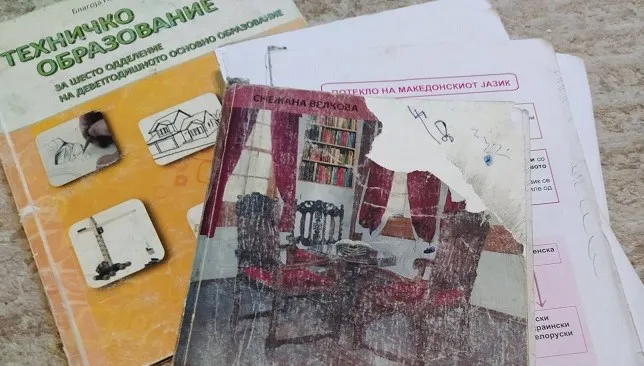
The same appearance brought an answer to the question that fills social media every September - ripped, unusable textbooks. Janevska did not try to promise there would be none.
"I cannot say there will be none. Unfortunately, I believe there will be some. But I sincerely believe it will be kept to a minimum and will be incidental," the minister said.
But the key sentence is this one: "Those who did not request them - that is their responsibility, and in future the Ministry will not take on anyone else's responsibility, because for three years we have been running a system that is stable and that ensures a stable supply of textbooks."
In other words - the system is stable, the electronic reporting system for damaged textbooks was open for a long time, and if your child gets a book with no cover on 1 September, the fault lies with the school that failed to report in time. Under the rules, textbooks are replaced every five years, and head teachers are obliged to log damaged copies, charge parents for them and order new ones.
Formally - it all holds together. Practically, the child with the ripped book does not care who failed to notify whom on time.
All-day teaching as the answer to everything
Janevska stressed that so far no permanently employed teacher has been dismissed and that outside Skopje staffing is sufficient. In some Skopje municipalities, such as Aerodrom, teachers are missing and she expects hiring there.
The solution she offers is all-day teaching - two class teachers per group, one in the first half of the day and one in the second, with children at school until 4pm. The aim, as she puts it, is to leave parents free.
If the number of children is falling and the number of classes falls with it, then the question for the coming years is not how many classes will go dark. The question is whether anyone has a plan for the cause - why, out of 19,031 children born, only 14,500 reach the first grade.
The latest 10 news from this category
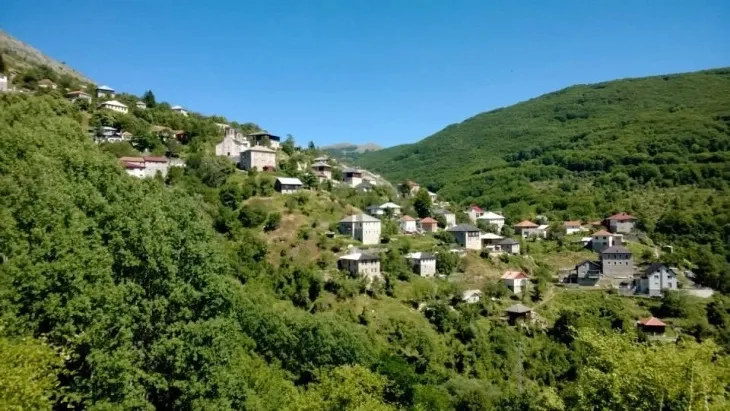
The local community council quotes the Criminal Code at the culprit itself and buys its own cameras. The institutions got...
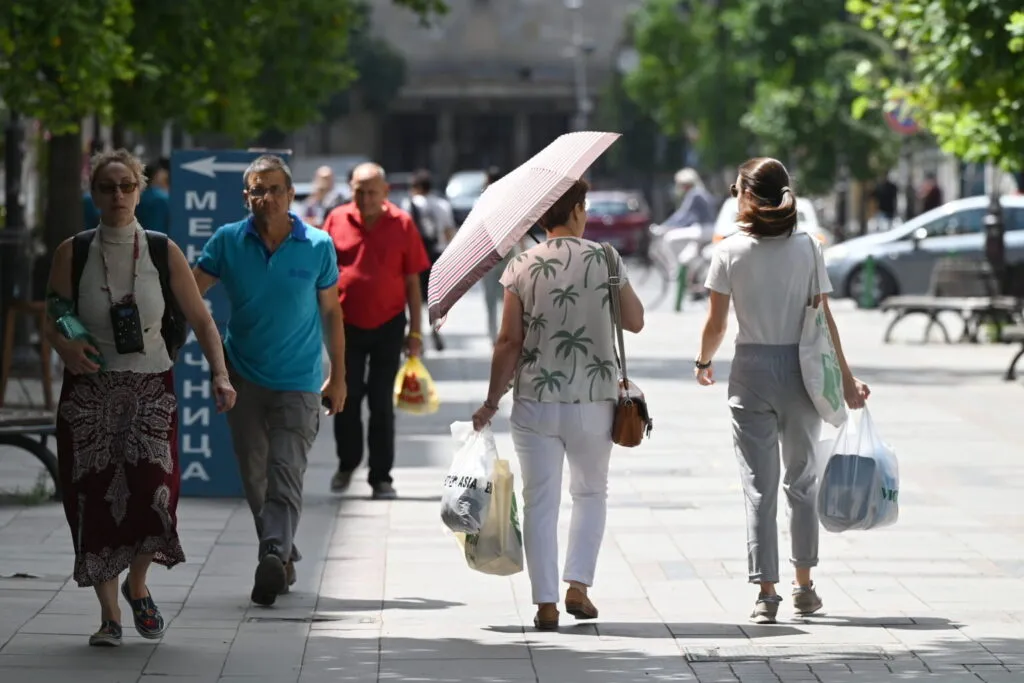
Hot African air lasts until Sunday, and from Friday sand arrives over the country too. The advice is to avoid...
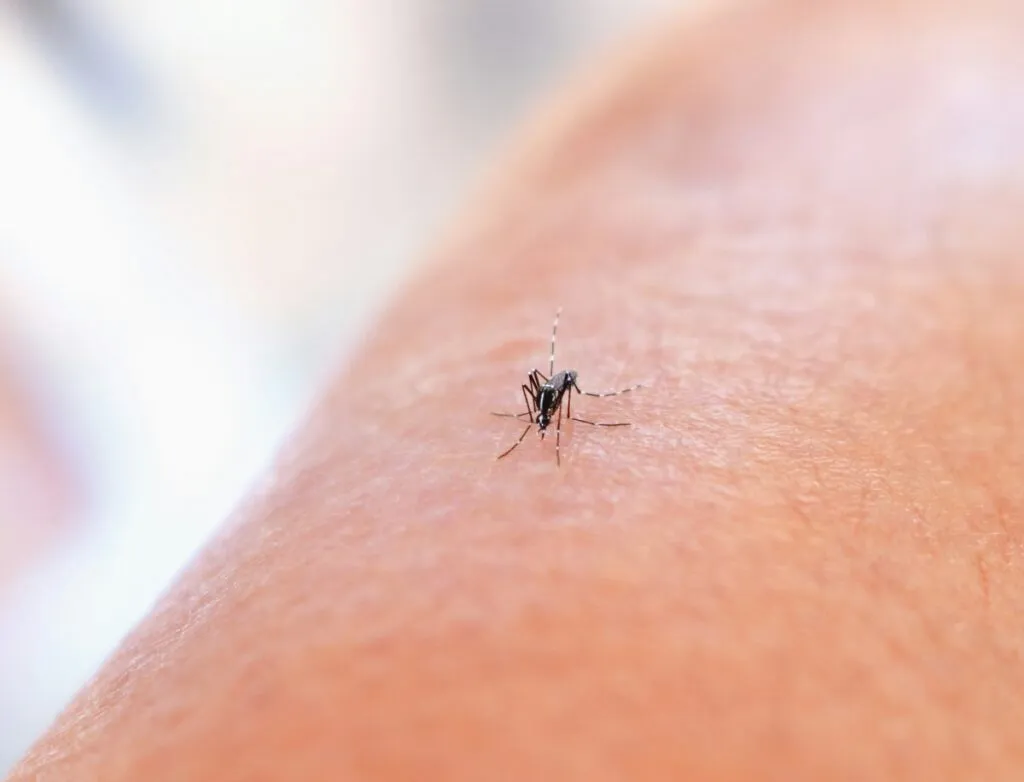
Five dead, 80 per cent of patients over 60. Aerodrom is under a declared epidemic with four infected and carried...
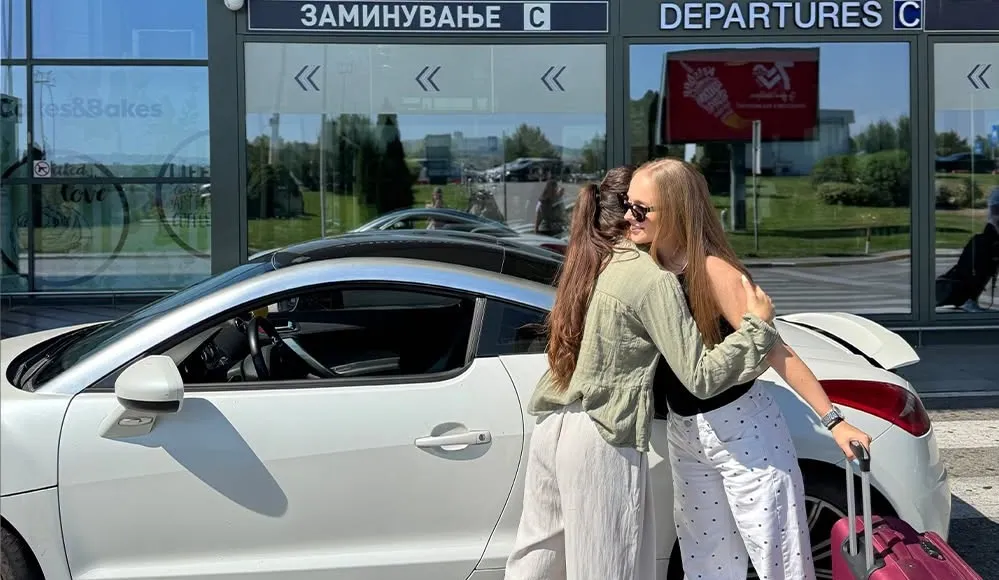
Cameras read the number plates - a second arrival the same day means parking from 100 denars up. Taxi drivers...
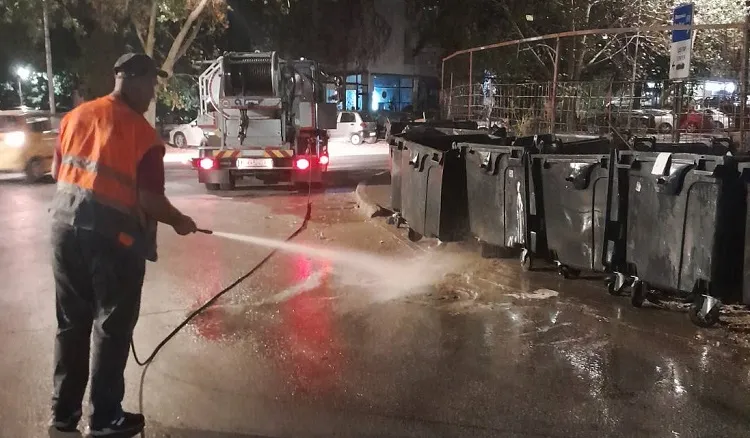
The utility announced it washes every micro-location in every municipality. At the same time, Skopje residents are posting photographs of...
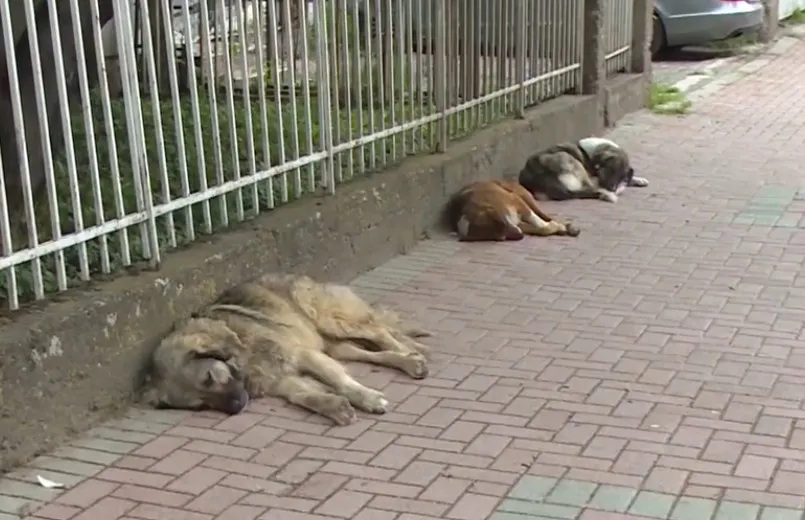
The director says the dogs have no ear tags - meaning they are not strays, but brought and abandoned. And...
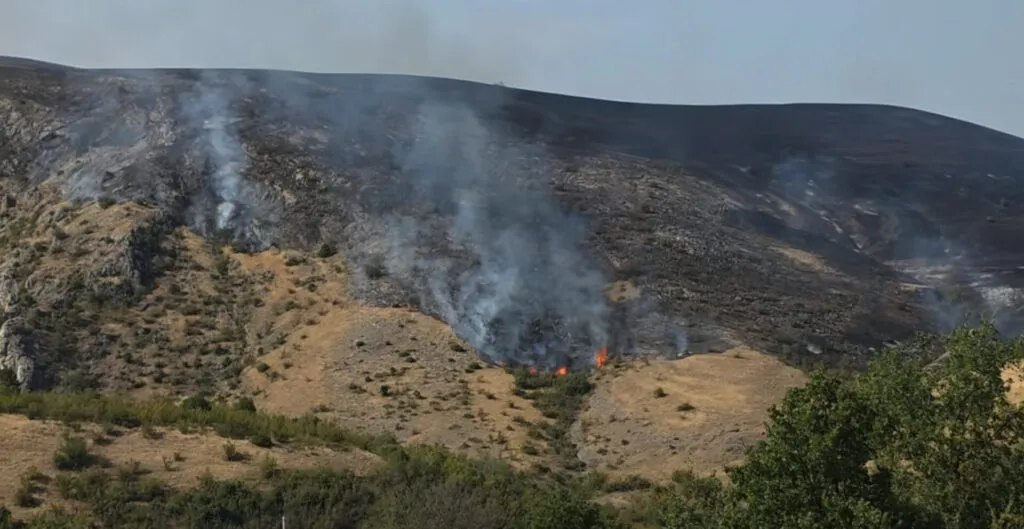
Twenty-three fires in a single day, aircraft redirected from one front to the next. And on Kitka, someone waits for...
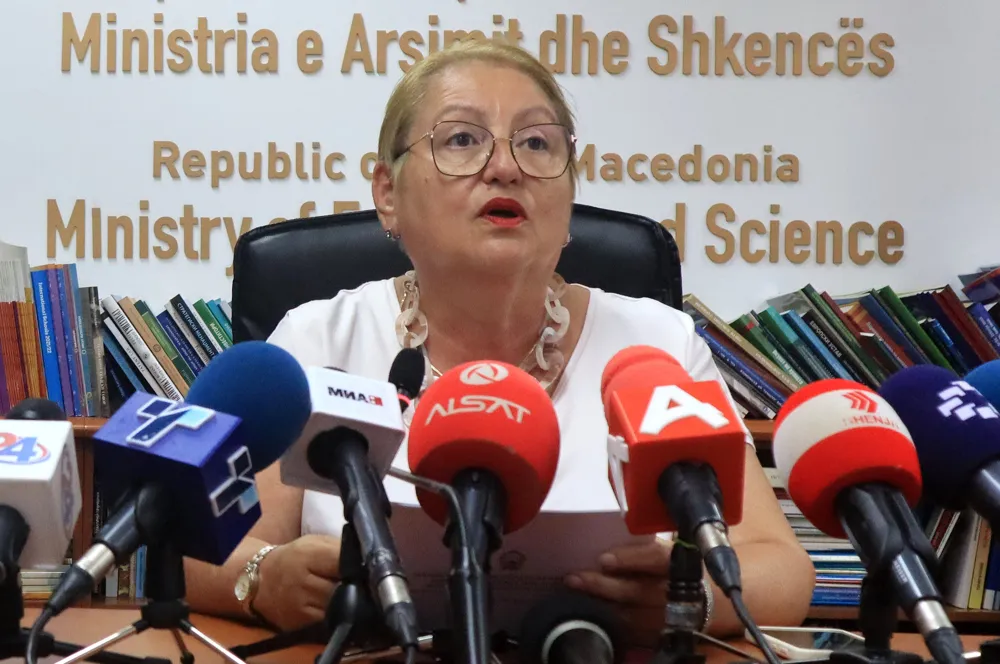
Three hundred fewer classes, twenty-six villages without a school. Janevska says they "managed" to do it - but an empty...
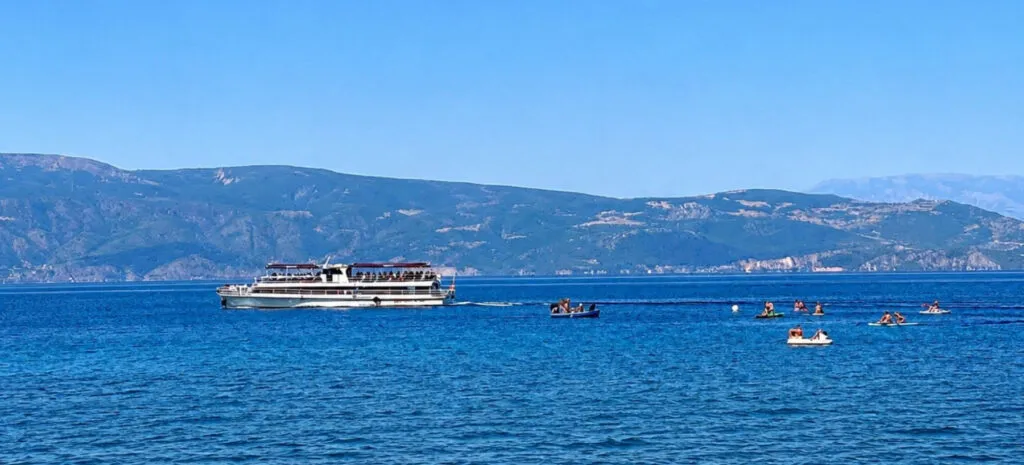
A boat hit a paddleboard just off the shore, and the response came from residents standing on boards in the...
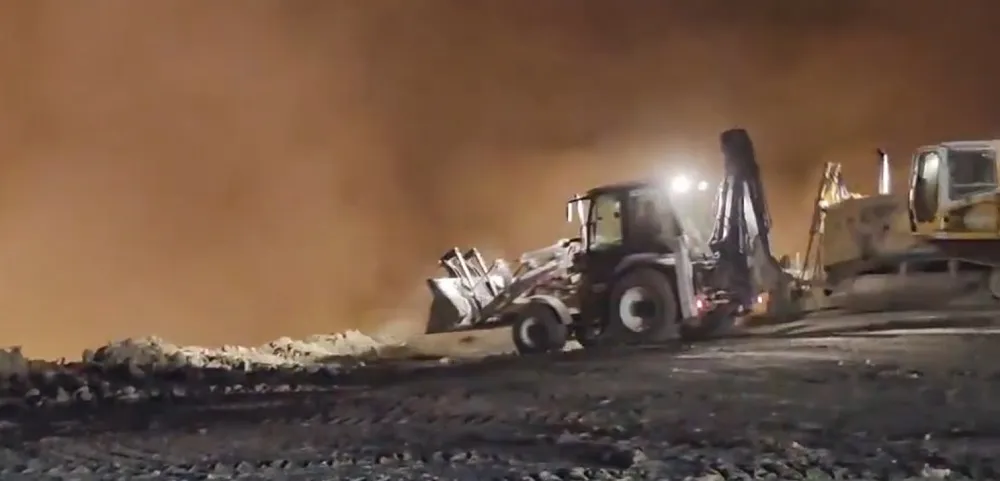
The fire is not being put out - it is being buried under soil. And when clearing a dump means...
This site uses cookies - is that okay? Learn more
Be the first to know when Metla launches something new
Leave your email and we will write when there is a new guide or something new on Metla.