


Studeničani: 35-year-old dies after being electrocuted while washing his car with a pressure washer
18.09.2026


18.09.2026

18.09.2026

18.09.2026

18.09.2026

18.09.2026
18.09.2026

18.09.2026

17.09.2026

16.09.2026

18.09.2026

18.09.2026

17.09.2026

18.09.2026

18.09.2026

18.09.2026

18.09.2026

17.09.2026

16.09.2026

18.09.2026

18.09.2026

18.09.2026

18.09.2026

17.09.2026

17.09.2026

09.03.2026

27.02.2026

19.02.2026

18.09.2026

17.09.2026

16.09.2026

23.04.2026

23.04.2026

12.04.2026


Arlan Rakhmetzhanov is 19 and has one sentence that explains the entire generation around him: either he builds a company the size of Google, or he ends up on the street. There is no middle. He started coding at 15 in his native Kazakhstan, went through several summer programmes in San Francisco and sent LinkedIn messages to every Y Combinator founder he could find - until one gave him angel funding for his first company at 17.
That company, now known as Nozomio, is an index of software services for AI agents and has raised over 6 million dollars so far. "Either I win or I lose, and a lot of young founders think the same way," he says. "They just want to win."
More money, less patience
Investors have always liked young founders who dropped out of university - but they used to want someone with technical experience standing next to them, preferably gained at one of the big American companies. That still partly holds. But AI tools have opened the door: you can now build without a single day spent at a large firm.
Pranjali Awasthi, also 19, left high school to start an AI company, then enrolled at Georgia Tech and left that too for Slashy - an email management tool. A year on, she is already doing a third thing. When she was 14 or 15, she says, investors regularly asked her why she wanted to build a company at all. "It is more normal now," she says, "after eighteen."
Ashley Smith, a partner at the investment fund Vermilion, explains what they look at today: GitHub activity, contributions to open source projects, communities already built. "Young developers learn to make software through open source and playing with new tools," she says. "They have more time for it than someone with a full-time job and a mortgage."
A market that does not forgive
Smith does not hide that her portfolio is full of companies run by people under 30, some under 21. But she adds something rarely said out loud: "It no longer gives you space to learn slowly." There is more money than ever - accelerators, incubators, pre-seed funds. It just comes with a deadline attached. Founders with millions in the bank are expected to show growth in months, not years.
"The forgiveness that used to exist at the early stage, and the assumption that you would reach the right product through attempts - that is gone now," Smith says. "Everyone is looking for the next Cursor, even though that growth curve is the exception, not the rule."
When the deadline is that tight, what the founder actually does changes too. Revenue figures start looking fatter than they are. Time for writing good code gets eaten by time for filming content. Ashley Smith describes the market as a contest over who can convince the most people they are the smartest person in the room - and who can make the most noise about it.
Nothing is private
"In 2004 you could work quietly for years with nobody watching," says Awasthi. "Now there is constant ambient pressure from LinkedIn and Twitter where every fundraise, every success, every change of direction is public."
Timothy Chen, an investor at Essence Ventures, puts it even more bluntly: you used to fear the big players in your field, now you fear your neighbour. "Everyone makes slick launch videos," he says. "Three years ago that did not exist at all." The trend was popularised by Roy Lee, founder of Cluely, now around 22, whose startup initially promised to help students cheat on exams - an idea that impressed investors enough to raise 20 million dollars.
Aidan Guo, the 20-year-old co-founder of Attention Engineering (around 1.6 million dollars raised), describes what it looks like from the inside. "When Zuckerberg was building Facebook, there was no enormous negative social ecosystem like this," he says. "You already carry a constant fear of failure in your head. You have to steer the ship and learn everything as you go. And it can all go wrong at once. And then everyone pounces on every mistake you make."
The strangest thing about the whole story is how old-fashioned the answer the founders themselves give sounds. Awasthi says that if you focus on what needs finishing, it is not that hard. Rakhmetzhanov says the product that stays active and talks to its customers wins. Neither has anything to do with age - or with the launch video.
The latest 10 news from this category

An eight-year-old firm that started out mining crypto has tripled its value in ten months. It did not discover anything...

The price of uranium has jumped 75 percent in five years, and the list of countries that mine it reads...
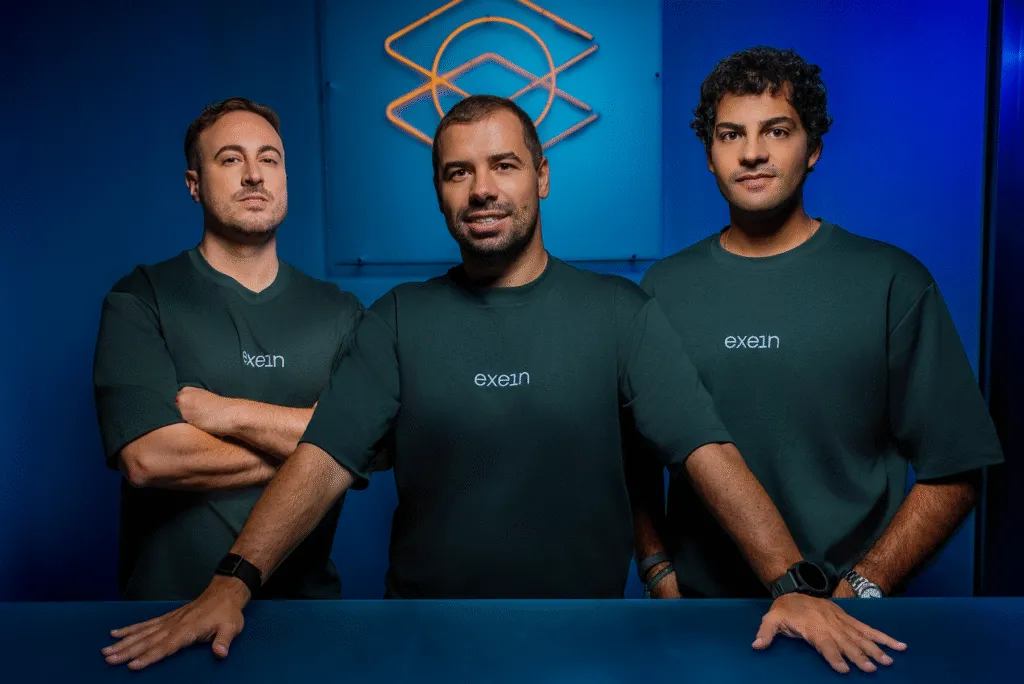
Exein raised 270 million dollars and its valuation jumped thirtyfold in two years. The European regulation coming into force in...
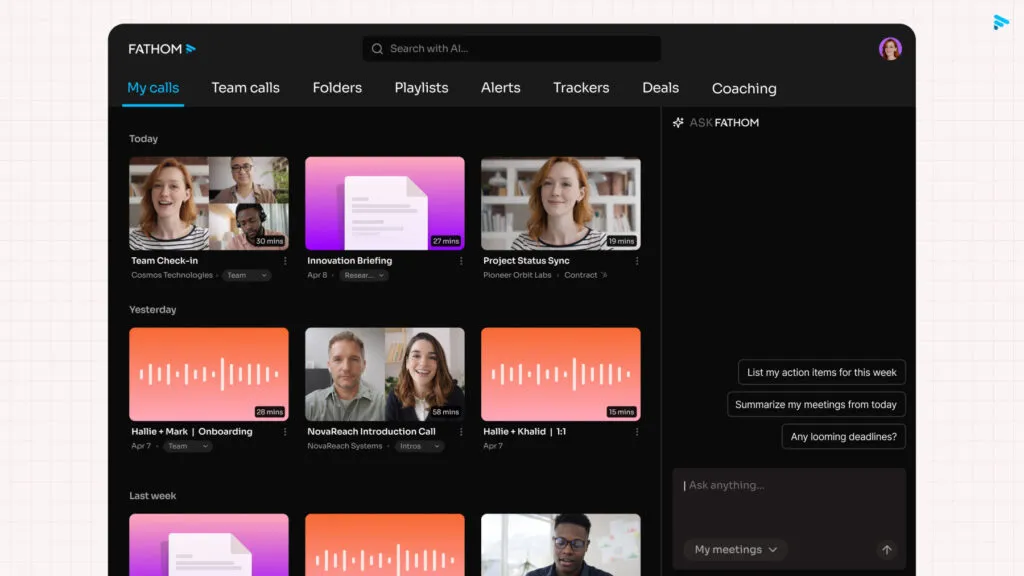
A startup valued at 94 million dollars changed hands, and both sides said openly what was being bought - not...
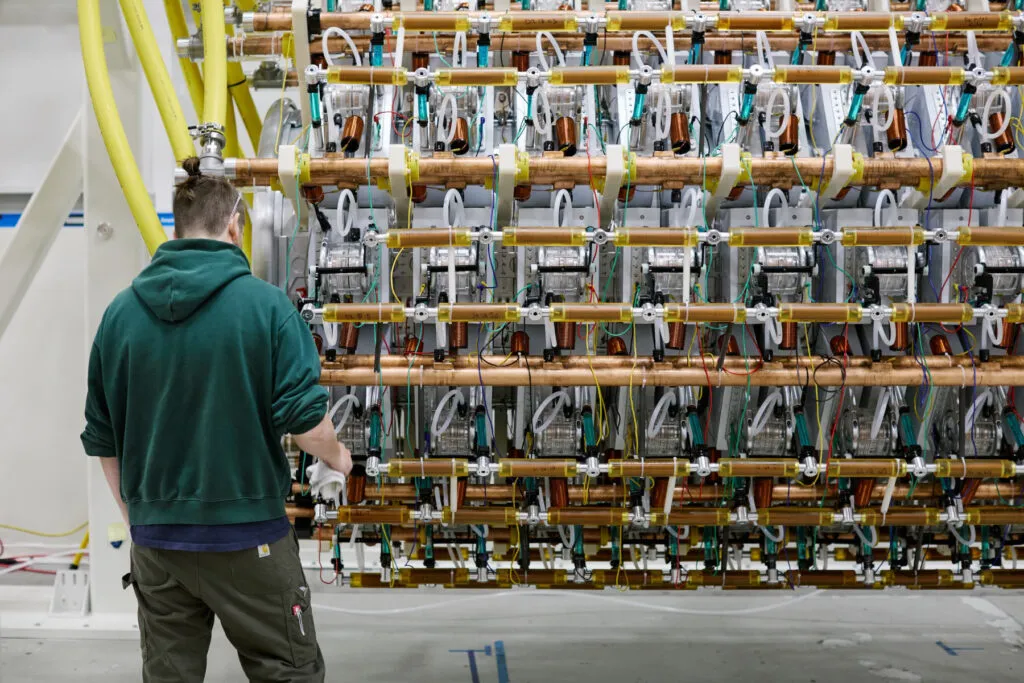
A technology sold for decades as the answer to the climate is now taking money from the defence industry. The...

The board voted, the founder kicked the administrators out of Slack and held out for three days. What does a...

Three months ago the company raised 60 million. Now it is worth almost ten times that, and its product is...

After Ohridska Banka, Sparkasse has gone after a second one. The approvals come from Podgorica, Belgrade and Frankfurt. The market...

They had offers and visas to stay in the US. They went back to Munich because the numbers worked better...

A signed term sheet in venture capital is treated as a word of honour. When the buyer offers sixty-seven years...
This site uses cookies - is that okay? Learn more
Be the first to know when Metla launches something new
Leave your email and we will write when there is a new guide or something new on Metla.
